Double Chocolate Chip Cookies
This post may contain affiliate links. Please read my disclosure policy.
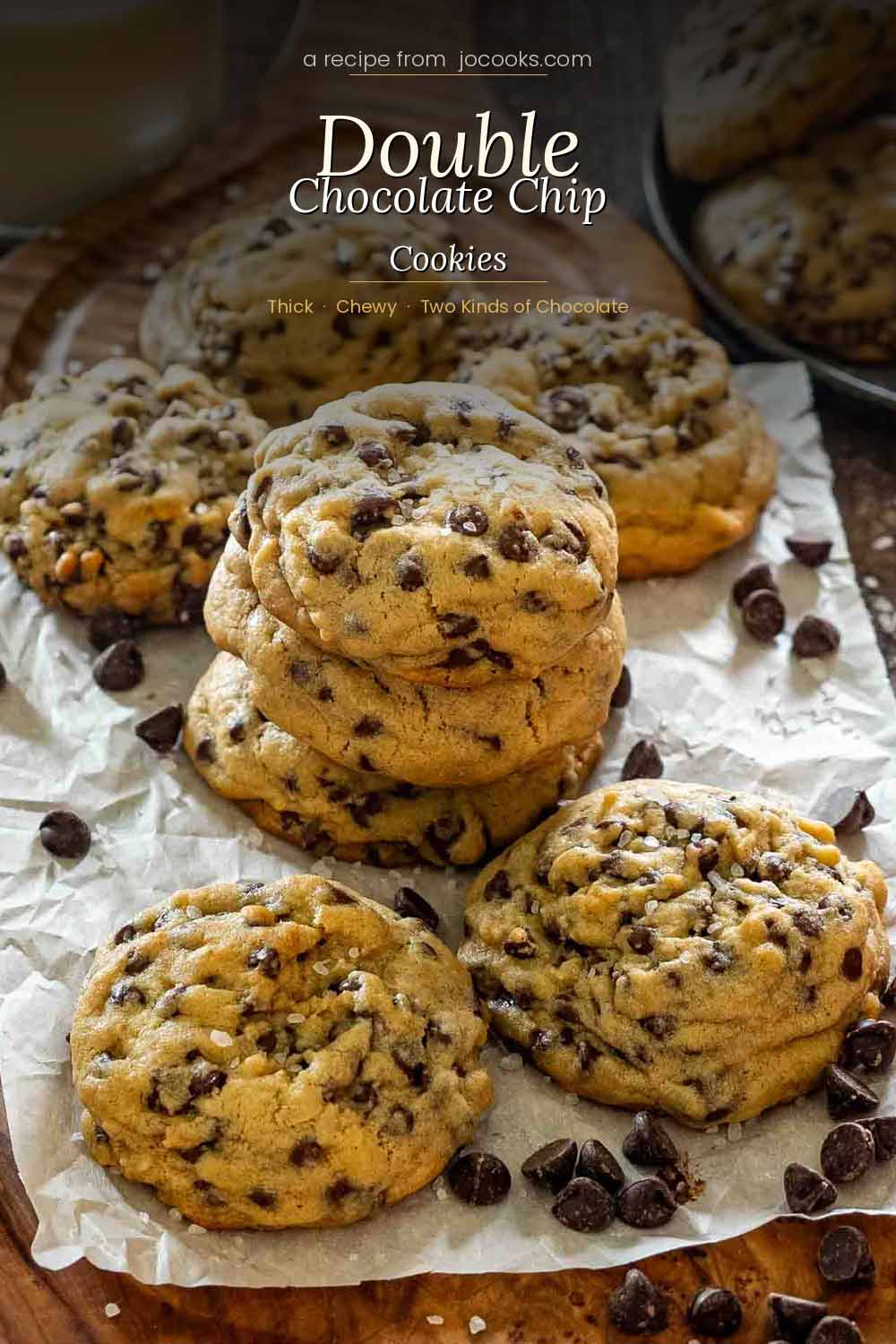

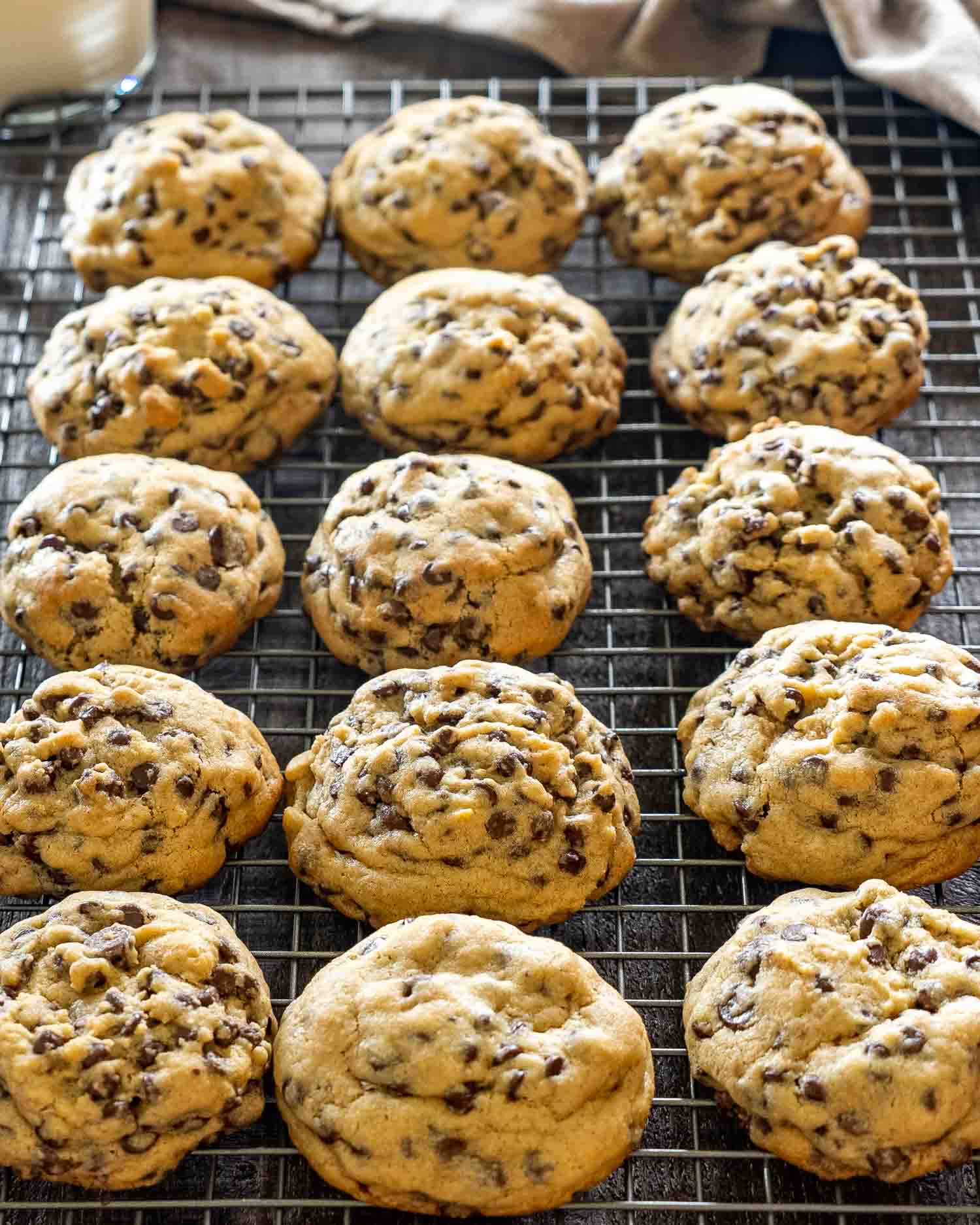
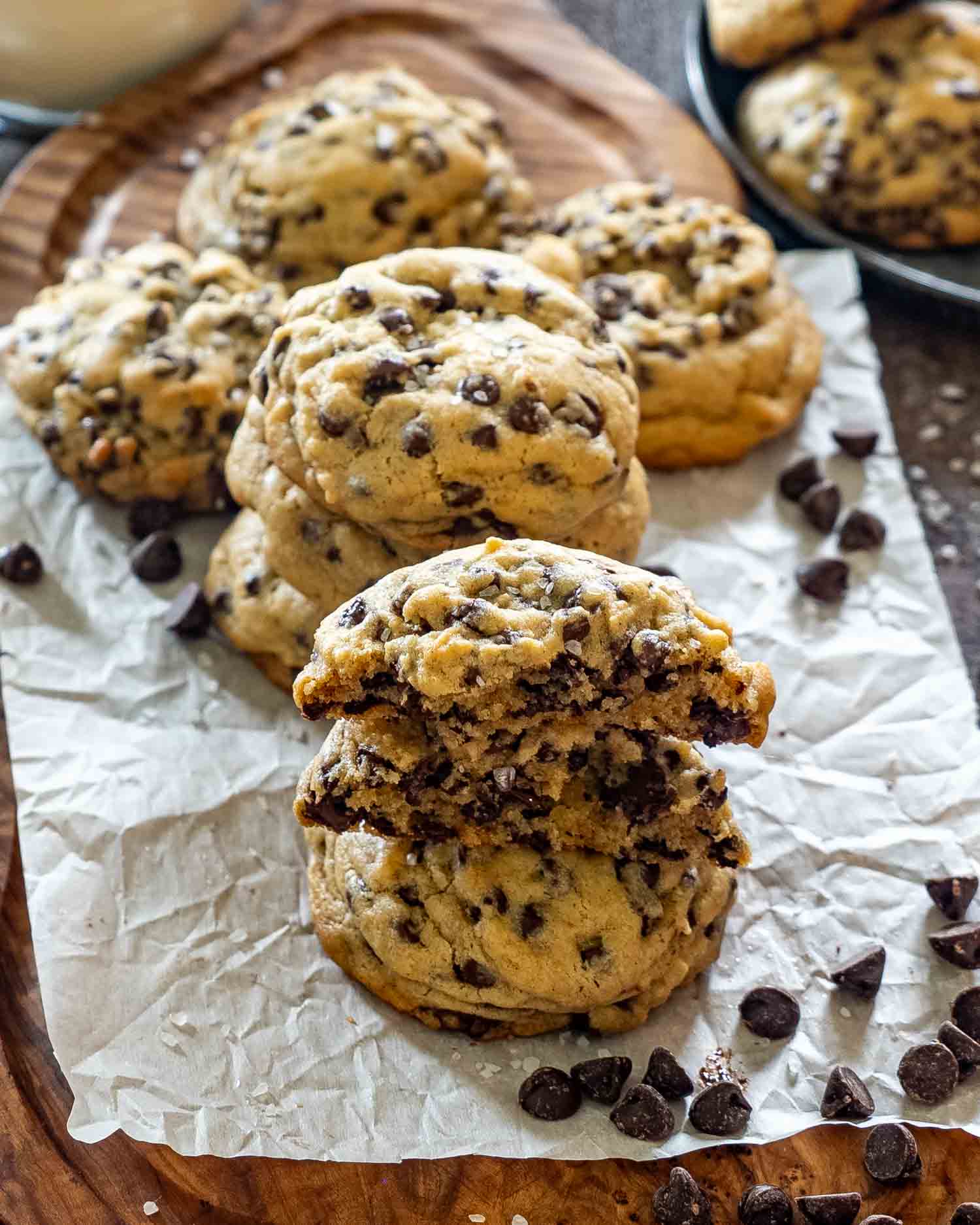
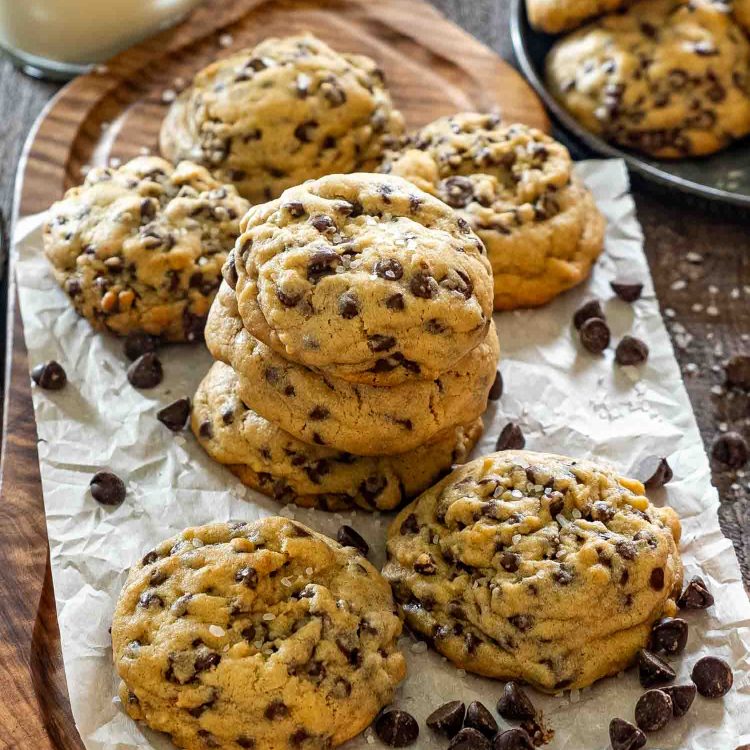
I have tested a lot of chocolate chip cookie recipes over the years and these Double Chocolate Chip Cookies are the ones I keep coming back to. Thick, chewy centers, slightly crisp edges, loaded with both semisweet and dark chocolate chips, and finished with a sprinkle of flaky sea salt that makes every bite more interesting than the last.
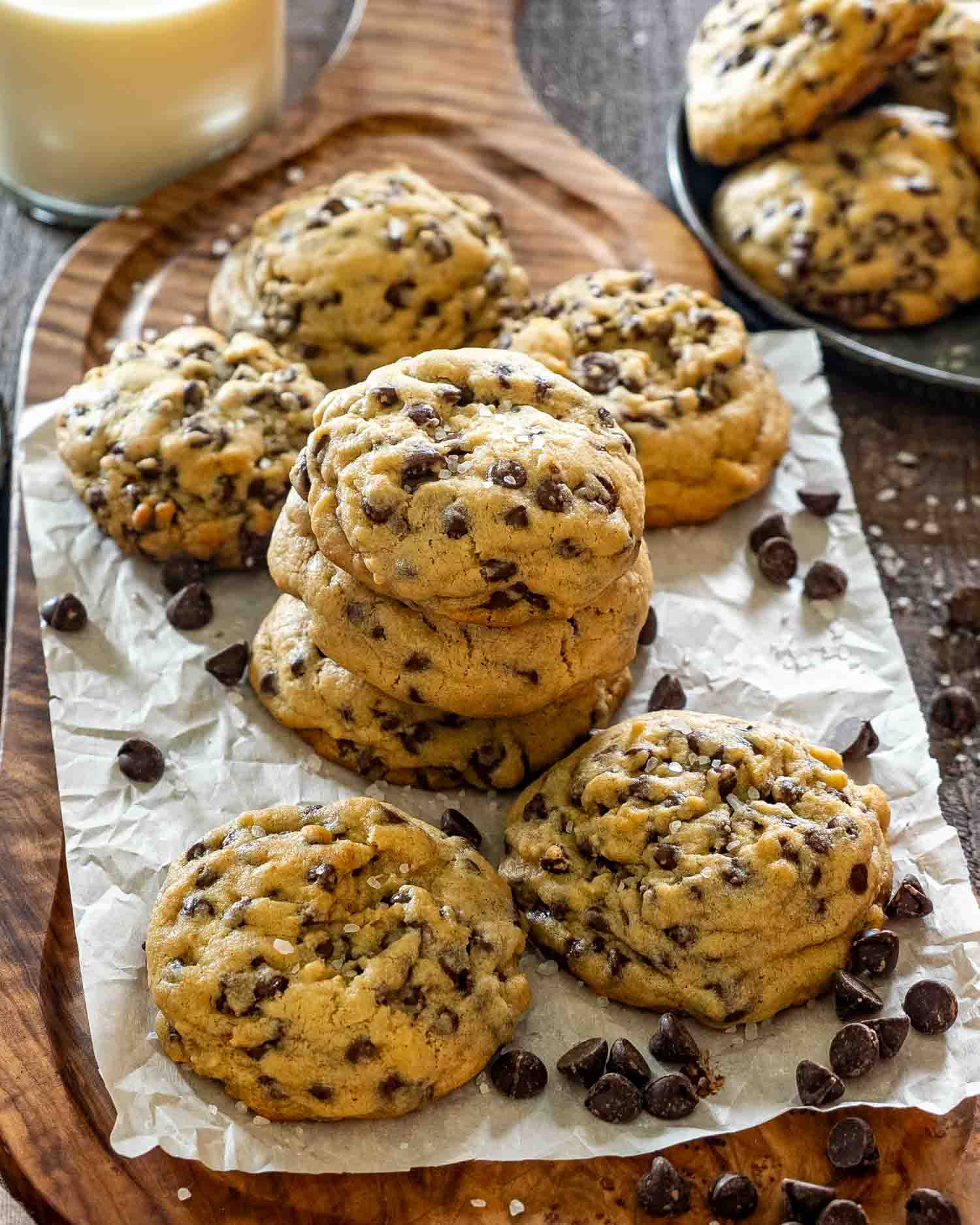
I made this recipe four times in the span of two weeks while developing it. My friends and family had absolutely no complaints about that process. I’ve given them to friends and I’ve been told over and over that these are the best cookies they’ve ever had.
The difference between a good chocolate chip cookie and a great one comes down to a few very specific decisions in the recipe. Cold eggs instead of room temperature. Cornstarch in the dry ingredients. Dark brown sugar instead of all light. Vanilla bean paste or vanilla bean instead of extract. Every one of those choices is intentional and every one of them shows up in the final cookie. We are going to talk about all of them.
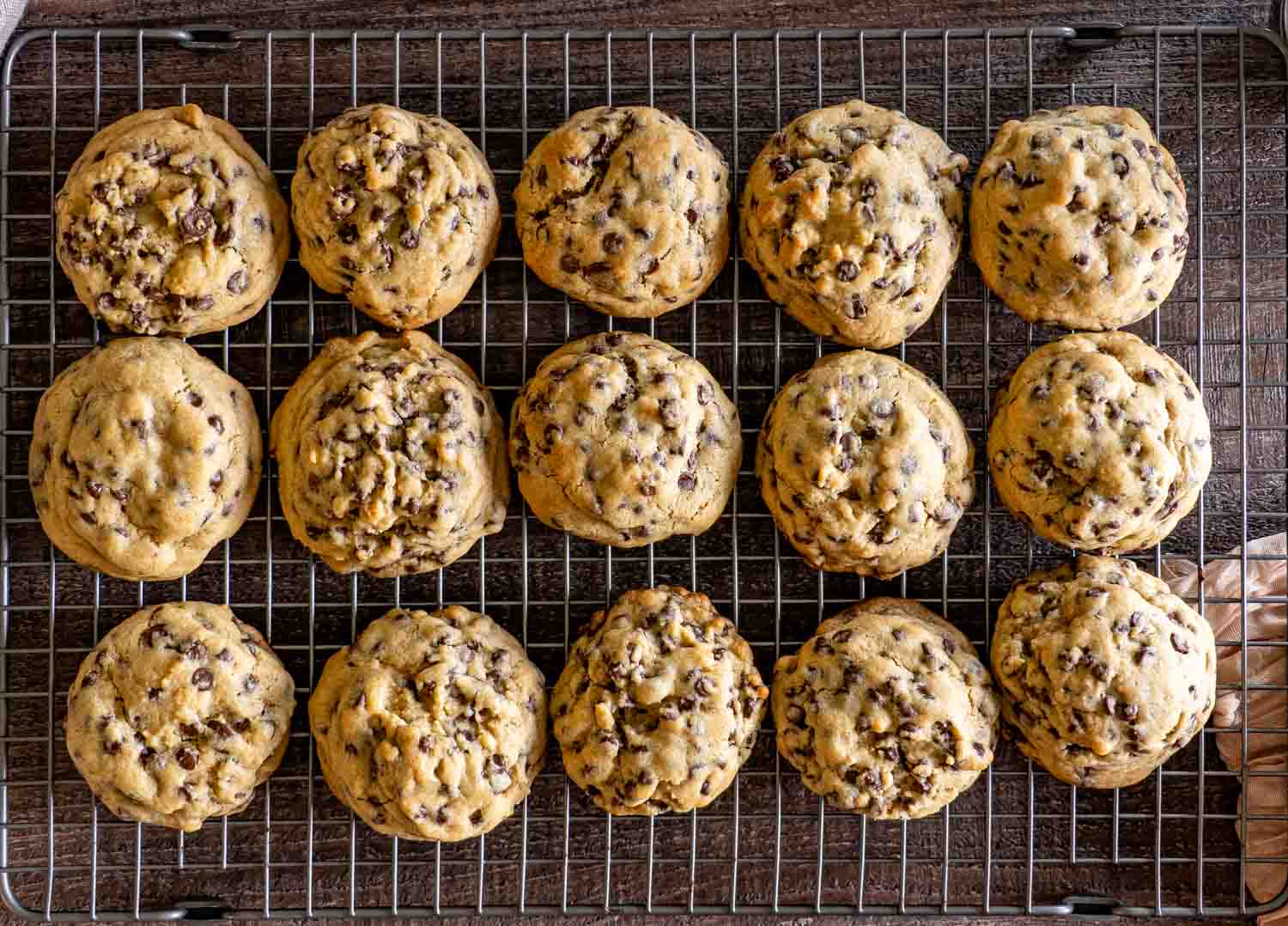
Why These Double Chocolate Chip Cookies Work
Most cookie recipes tell you to use room temperature eggs. We use cold eggs here, straight from the fridge. Cold eggs slow down how quickly the butter melts during mixing, which keeps the dough denser and helps the cookies stay thick and tall in the oven instead of spreading into flat sad discs. It is a small thing that makes a big difference and almost nobody talks about it.
We use more dark brown sugar than granulated sugar. Brown sugar contains molasses, which adds moisture, chewiness, and a deeper caramel flavor that plain white sugar cannot give you. The more brown sugar in the ratio, the chewier and more flavorful the cookie. Granulated sugar is there for structure and a little crispness at the edges. Together they do exactly what we need them to do.
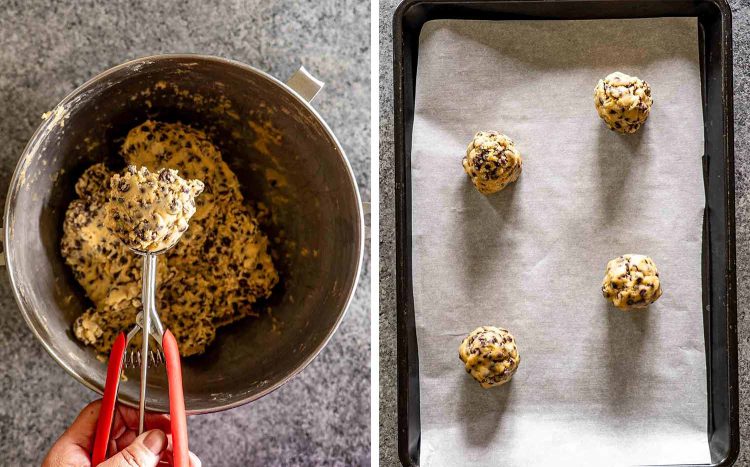
Only four cookies per baking sheet. This is not a suggestion. These are large cookies and they need room to spread. Crowding the pan means the cookies bake into each other and you lose those beautiful defined edges. Four per sheet, no more. Yes it means more batches. Yes it is worth it.
What Every Ingredient Is Doing
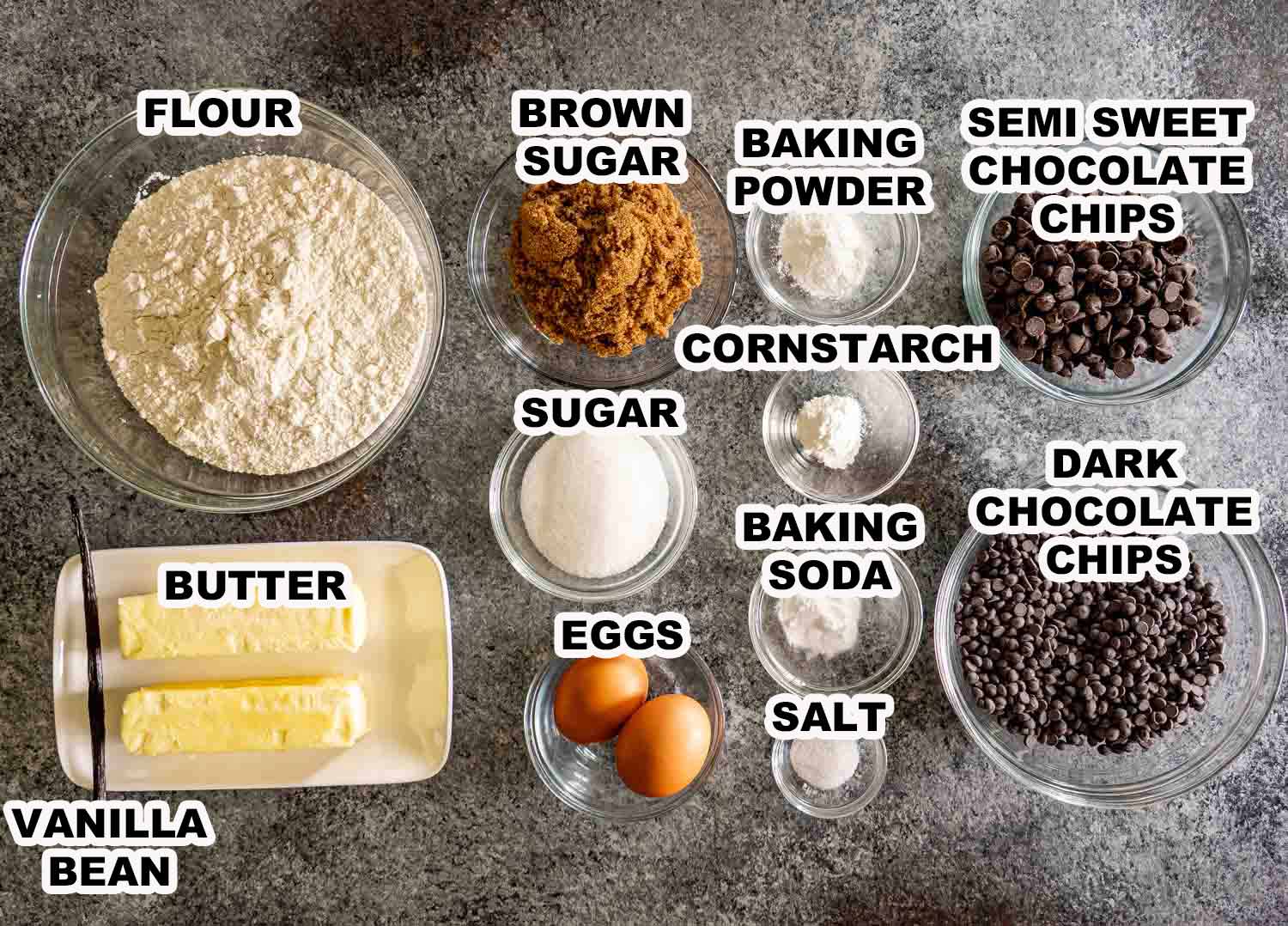
- All purpose flour. The structure of the cookie. Too much and the cookies are cakey and dense in a bad way. Too little and they spread too thin. We measure by spooning into the cup and leveling off, not scooping directly from the bag which packs in more flour than we want.
- Baking powder and baking soda. Both in the same recipe for a reason. Baking soda promotes browning and spread. Baking powder adds lift. Together they give us a cookie that is thick and chewy with golden edges rather than pale and puffy or flat and crispy.
- Cornstarch. One teaspoon and it changes everything. Cornstarch softens the protein structure of the flour, giving the cookies a softer, more tender crumb. It is the ingredient that makes people ask why your cookies taste different from everyone else’s. Now you know.
- Dark brown sugar. More molasses than light brown sugar, more moisture, more chew, more depth of flavor. This is not interchangeable with light brown sugar if you want the same result. The cookies will still be good with light brown sugar. They will not be these cookies.
- Unsalted butter, slightly softened. Not fully soft, not melted. Slightly softened means it holds its shape but gives when you press it. Butter that is too soft will make the cookies spread too much. Melted butter makes them flat. We want slightly softened and we mean it.
- Cold eggs. Straight from the fridge. See above. This is one of the most important details in the recipe and it costs absolutely nothing extra to get right.
- Vanilla bean paste or vanilla bean. Not vanilla extract. Vanilla bean paste or a vanilla bean contains real vanilla bean seeds and has a richer, more concentrated flavor with a complexity that extract cannot match. You can see the little flecks of vanilla in the finished cookie, which is also just a very satisfying thing to look at.
- Semisweet and dark chocolate chips. Two kinds, two different chocolate intensities. The semisweet chips are sweeter and mellow. The dark chips are more intense and slightly bitter. Together they create layers of chocolate flavor in every bite instead of just one flat chocolate note. Do not use all of one kind.
Jo’s Tip
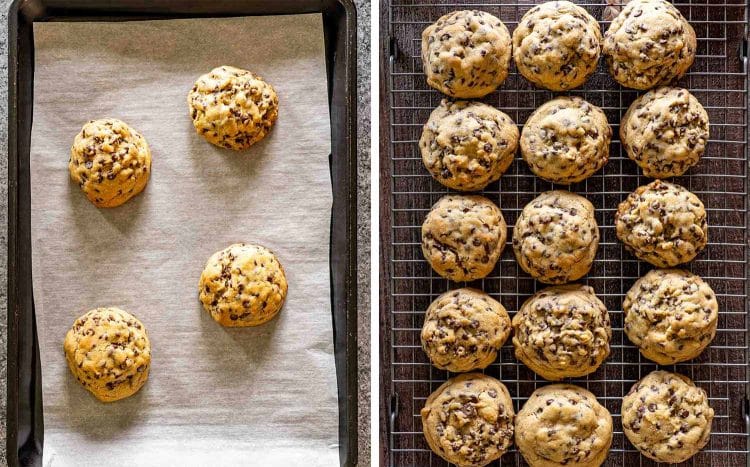
Pull the cookies out when the centers still look slightly underdone. Soft and glossy in the middle is exactly right. They will continue to set as they cool on the baking sheet for those first 5 minutes and will land perfectly chewy. If they look fully set in the oven they are already overbaked and no amount of cooling will fix that.
How to Make Double Chocolate Chip Cookies
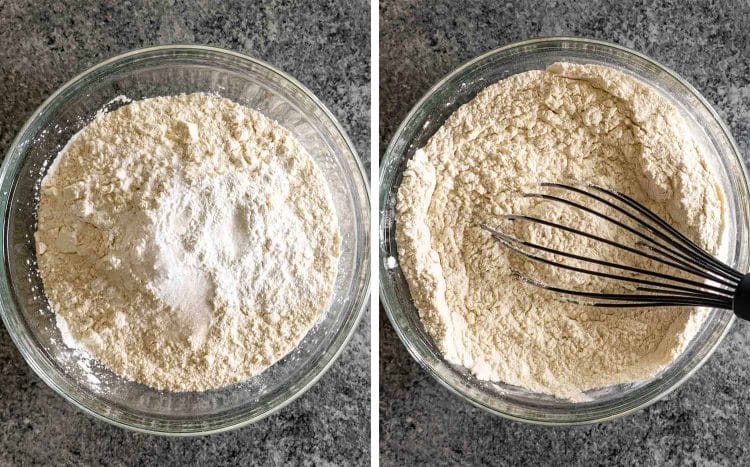
Preheat the oven to 350°F and line a baking sheet with parchment paper. In a medium bowl, whisk together the flour, baking powder, baking soda, and cornstarch. Set aside.
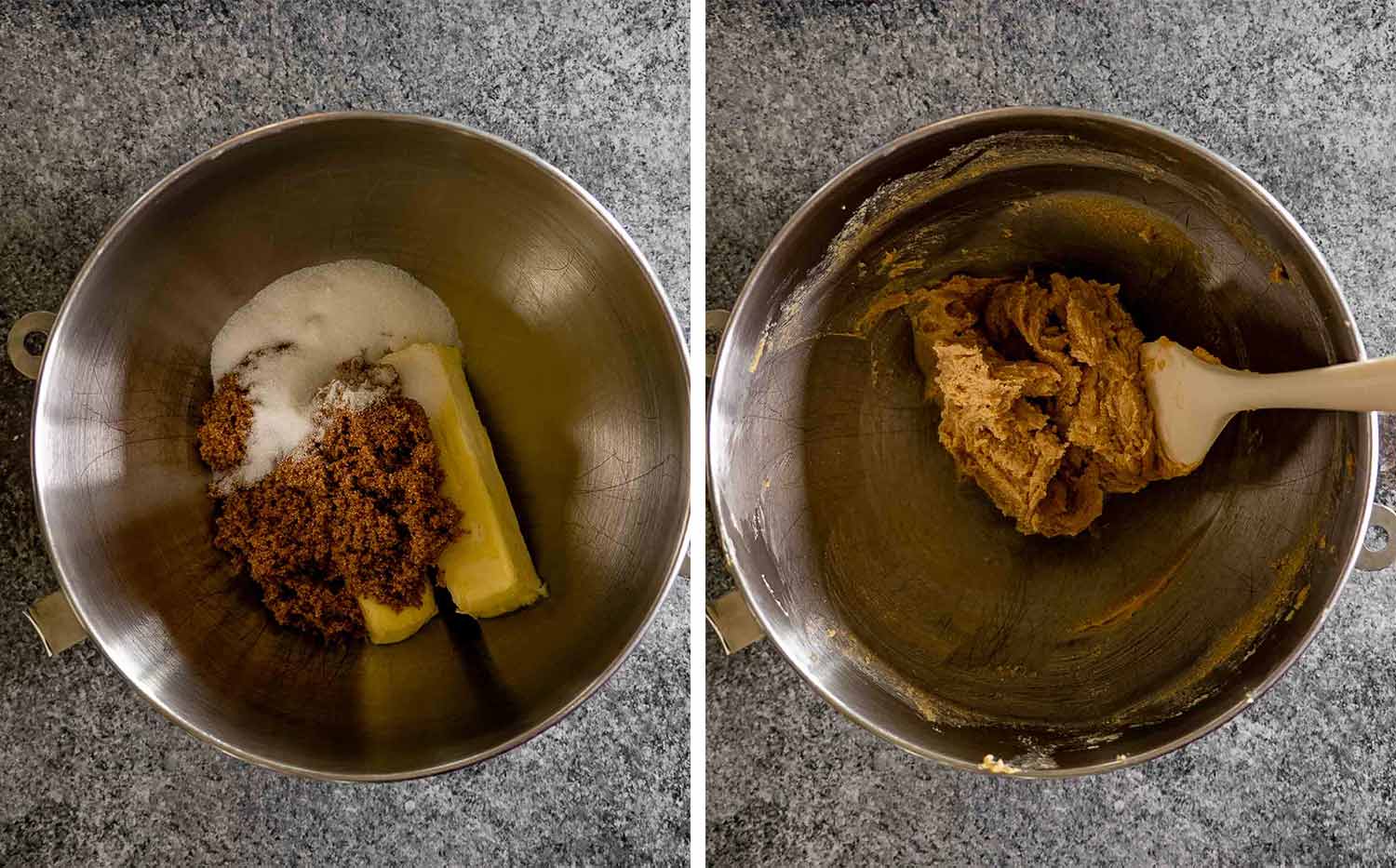
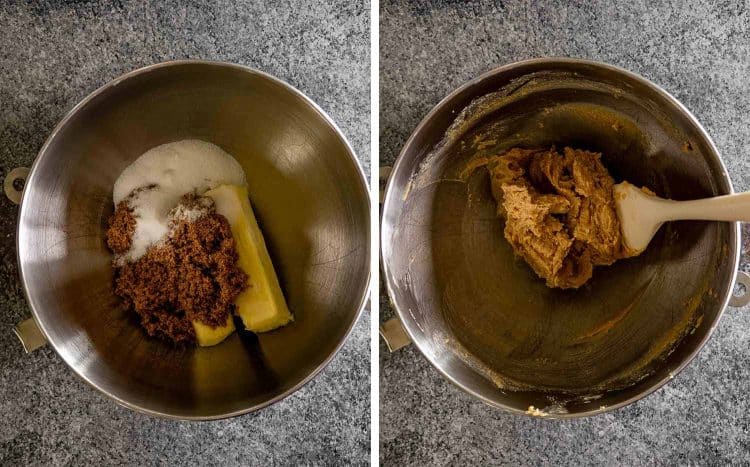
In a large bowl, cream the slightly softened butter with the dark brown sugar and granulated sugar for 3 to 4 minutes until light and fluffy. Do not rush this step. A properly creamed butter and sugar mixture is pale, airy, and significantly increased in volume. It is the foundation the whole cookie is built on.
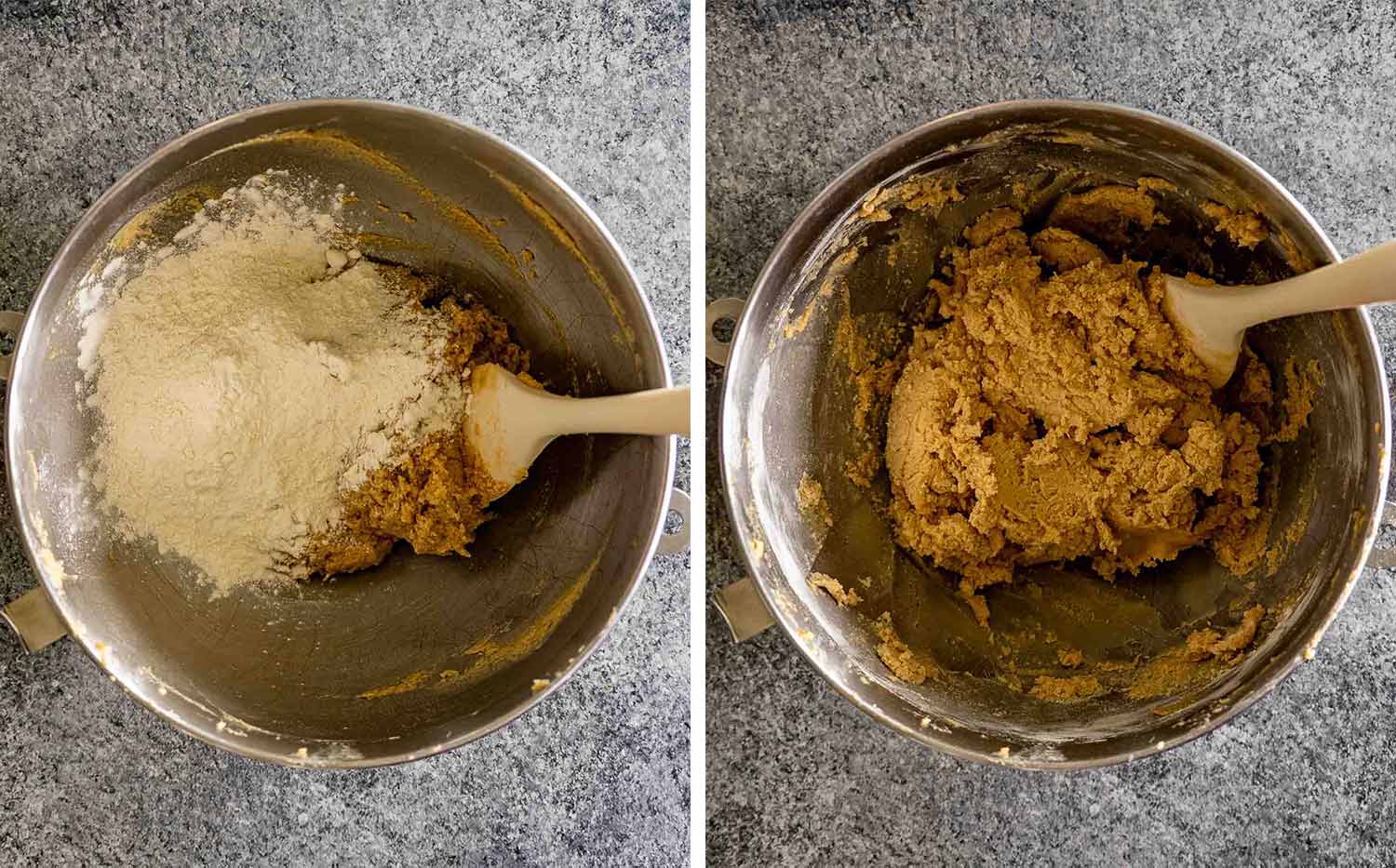
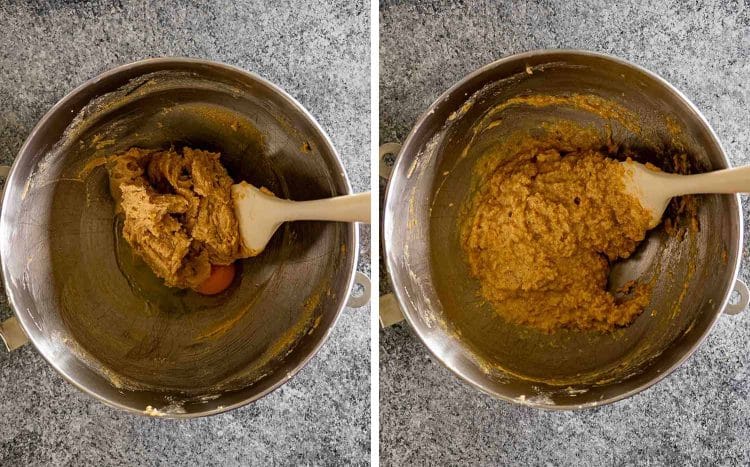
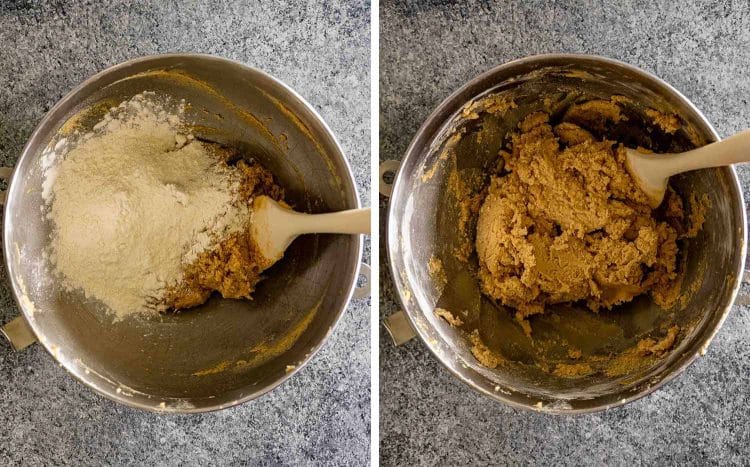
Add the cold eggs one at a time, beating well after each one. Stir in the vanilla bean paste or vanilla bean and mix until the batter is smooth and pale. Gradually add the dry ingredients and mix just until combined. Stop the moment you no longer see dry flour. Overmixing develops gluten and makes the cookies tough, which is the opposite of what we are going for.
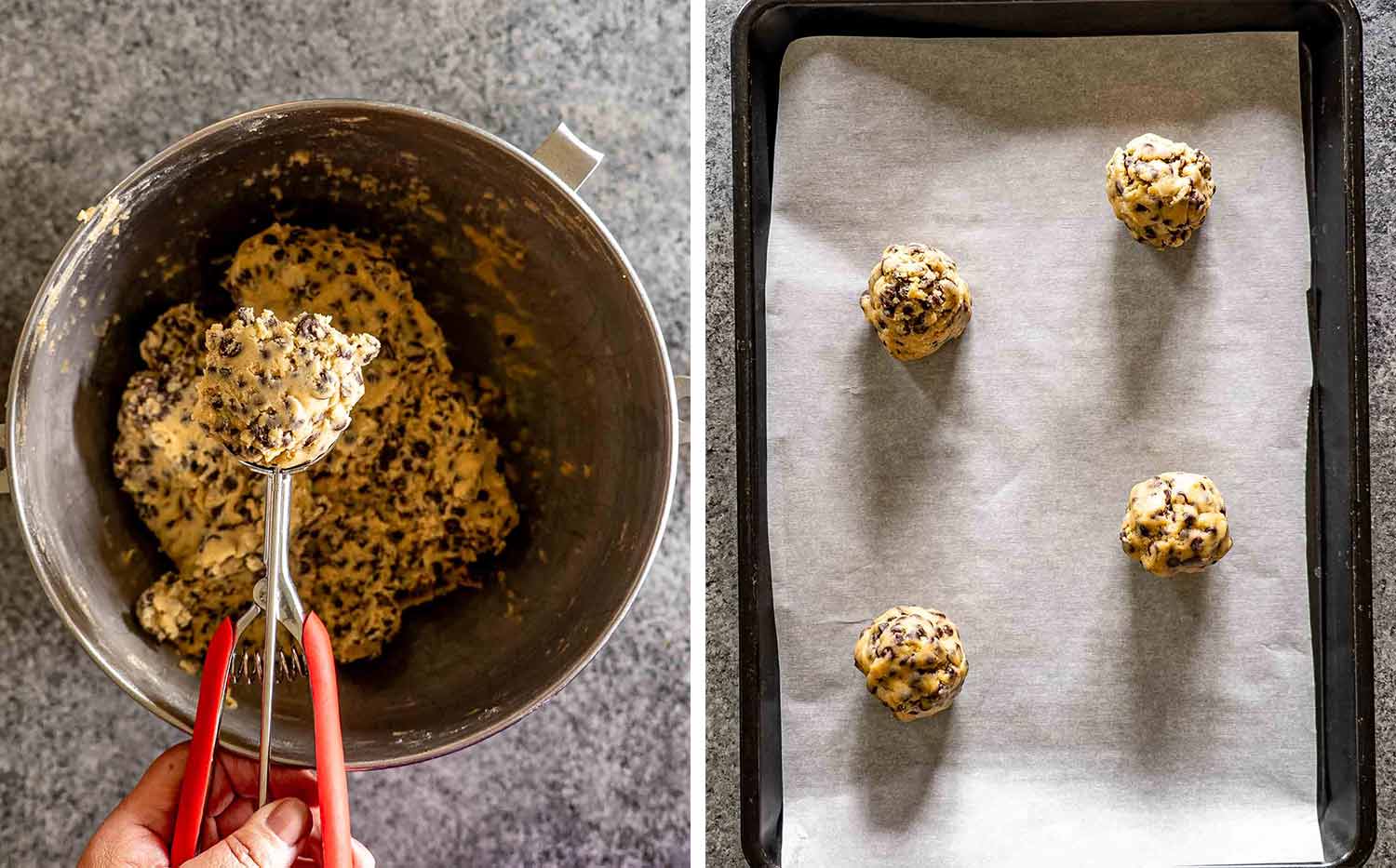
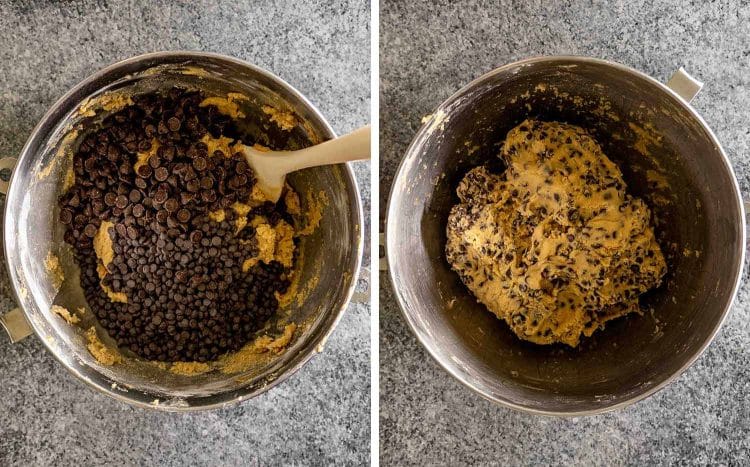
Fold in both kinds of chocolate chips until evenly distributed. Scoop the dough into portions of 3 to 4 tablespoons each and place on the prepared baking sheet, four per sheet with at least 4 inches between each one. Press a few extra chips on top of each dough ball.
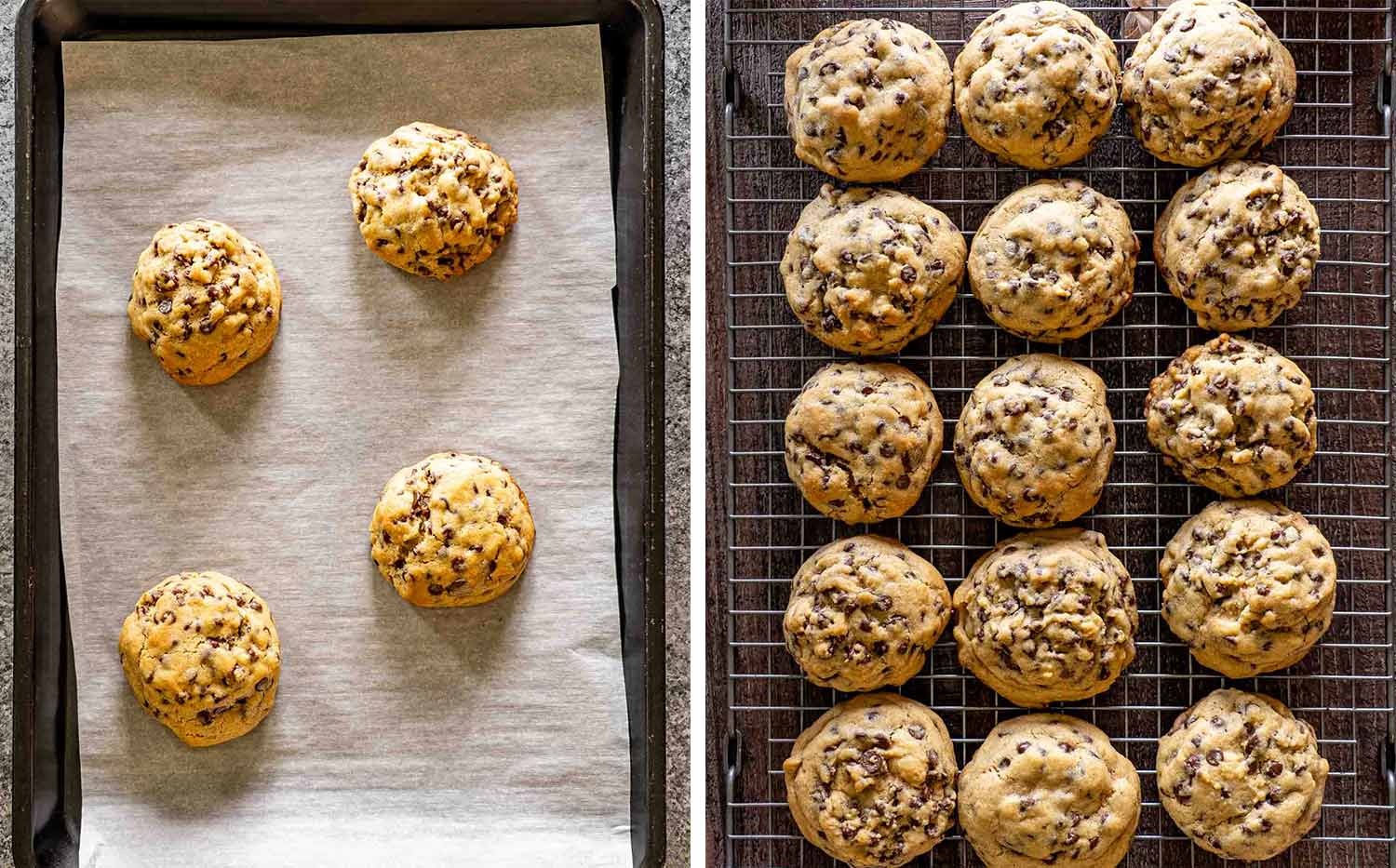
Bake for 13 to 16 minutes until the edges are set and lightly golden but the centers still look soft. Cool on the baking sheet for 5 minutes before transferring to a wire rack.
Swaps for the Unusual Ingredients
- Vanilla bean paste: Pure vanilla extract is the most straightforward swap. Use the same amount, one tablespoon. You will lose the vanilla bean flecks and some of the depth but the cookies will still be excellent. Avoid imitation vanilla extract, it has an artificial aftertaste that does not belong in a cookie this good.
- Dark brown sugar: Light brown sugar works but the cookies will be slightly less chewy and the caramel flavor will be milder. If you want to approximate dark brown sugar using light, add a teaspoon of molasses to light brown sugar and mix well before using. It is not identical but it is close enough.
- Dark chocolate chips: More semisweet chips work as a substitute if dark chocolate chips are not available. The cookies will be slightly sweeter and less complex but still very good. Chopped dark chocolate from a bar melts more dramatically and gives you bigger chocolate pools in the finished cookie, which is never a bad thing.
When Things Go Wrong
The cookies spread too thin: A few possible causes. The butter was too soft or partially melted before creaming. The dough was too warm when it went in the oven. The baking sheet was warm from a previous batch. Make sure the butter is only slightly softened, and if your kitchen is warm, rest the shaped dough balls in the fridge for 15 minutes before baking. Always use a cool baking sheet for each new batch.
The cookies are cakey instead of chewy: Too much flour is the most likely culprit. Scooping directly from the flour bag packs extra flour into the cup without you realizing it. Spoon the flour into the measuring cup and level it off. Also check that you used dark brown sugar and not all granulated, which produces a cakier, more tender crumb.
The cookies are hard after cooling: They were overbaked. Cookies that look perfectly done in the oven are already past their peak. Pull them when the centers look underdone and trust the cooling process. If they are already hard, store them in an airtight container with a slice of bread overnight. The cookies will absorb moisture from the bread and soften up. It actually works.
The cookies are not spreading enough: The butter was too cold or the dough was chilled too long. Make sure the butter is slightly softened before creaming. If you live in a very humid environment and chilled the dough, let it sit at room temperature for 10 minutes before baking to loosen it up a little.
Storing These Cookies
Room Temperature: Store in an airtight container at room temperature for up to 5 days. They are best on day one and day two. After that they are still good but the texture softens further.
Freezer: These freeze beautifully for up to 3 months. Freeze the baked cookies in a single layer first, then transfer to a freezer bag. You can also freeze the raw dough balls and bake straight from frozen, adding 2 to 3 minutes to the bake time. Having frozen cookie dough in the freezer at all times is not a problem, it is a lifestyle.
Try These Cookies Next
Before You Begin! If you make this, please leave a review and rating letting us know how you liked this recipe! This helps our business thrive & continue providing free recipes.
Double Chocolate Chip Cookies
Video
Ingredients
- 2 ¼ cups all purpose flour
- 1 ½ teaspoons baking powder
- 1 teaspoon baking soda
- 1 teaspoon cornstarch
- ½ teaspoon salt
- ¾ cup dark brown sugar
- ¼ cup granulated sugar
- 1 cup unsalted butter (slightly softened)
- 2 large eggs (cold)
- 1 tablespoon vanilla bean paste
- 1 ¼ cups semi sweet chocolate chips
- ¾ cup dark chocolate chips
Before You Begin! If you make this, please leave a review and rating letting us know how you liked this recipe! This helps our business thrive & continue providing free recipes.
Instructions
- Preheat your oven to 350°F (180°C). Line a baking sheet with parchment paper.
- In a medium bowl, whisk together 2 ¼ cups all purpose flour, 1 ½ teaspoons baking powder, 1 teaspoon baking soda, 1 teaspoon cornstarch and ½ teaspoon salt. Set aside.

- In a large bowl, cream together 1 cup slightly softened unsalted butter, ¾ cup dark brown sugar, and ¼ cup granulated sugar for about 3 to 4 minutes until light and fluffy.
- Add the 2 cold large eggs one at a time, beating well after each addition. Stir in 1 tablespoon vanilla bean paste and mix until the mixture is smooth and pale.
- Gradually add the dry ingredients to the wet mixture, mixing just until combined. Do not overmix.
- Fold in 1 ¼ cups semi sweet chocolate chips and ¾ cup dark chocolate chips until evenly distributed.
- Scoop dough into portions of about 3 to 4 tablespoons each and place on the prepared baking sheet, leaving about 4 inches between each cookie. Bake only 4 cookies per sheet.
- Bake for 13 to 16 minutes, until the edges are set and lightly golden but the centers still look slightly soft.
- Let the cookies cool on the baking sheet for 5 minutes, then transfer to a wire rack to cool completely.
Equipment
Notes
- Use cold eggs straight from the fridge. This is one of the most important details in the recipe and it costs nothing extra to get right. Cold eggs keep the butter from warming up too fast during mixing, which keeps the dough dense and helps the cookies stay thick in the oven instead of spreading into flat discs. Room temperature eggs are not the right call here.
- Pull the cookies when the centers still look underdone. Soft and slightly glossy in the middle is exactly right. They will continue to set on the hot baking sheet for the first 5 minutes after coming out of the oven. If they look fully done in the oven they are already overbaked and no amount of cooling is going to fix that. Underbaked in the oven, perfect on the rack. That is the move.
- Only four cookies per baking sheet. These are large cookies and they spread. More than four on a sheet and they bake into each other and you lose the shape and texture we are going for. More batches, better cookies. That is the deal and it is a good one.
Nutrition Information
Notice: Nutrition is auto-calculated for your convenience. Where relevant, we recommend using your own nutrition calculations.
Frequently Asked Questions
Do we need to chill the dough?
I have made this recipe four times without chilling the dough and the cookies come out perfectly every time. That said, if you live in a humid environment or your kitchen runs warm, chilling the dough for 30 minutes to an hour before baking will help the cookies hold their shape and stay thick. In a dry climate it is not necessary. In a humid one it is good insurance.
Can we make the dough ahead of time?
Yes. The dough keeps in the fridge for up to 3 days tightly covered. The flavor actually improves with a longer rest as the sugars and flour hydrate more fully. Day two dough makes a noticeably better cookie than day one dough. Plan accordingly.
Why only four cookies per baking sheet?
These are large cookies and they spread. Fitting more than four on a sheet means they bake into each other and you lose the shape and texture we are going for. Four per sheet is not optional. More batches, better cookies. That is the deal.
Can we add nuts?
Yes. Chopped walnuts or pecans fold in beautifully at the same stage as the chocolate chips. Use about half a cup so the chocolate is still the dominant flavor. Toasting the nuts first adds another layer of flavor that is worth the extra five minutes.