Crispy Orange Chicken (Better Than Takeout)
This post may contain affiliate links. Please read my disclosure policy.
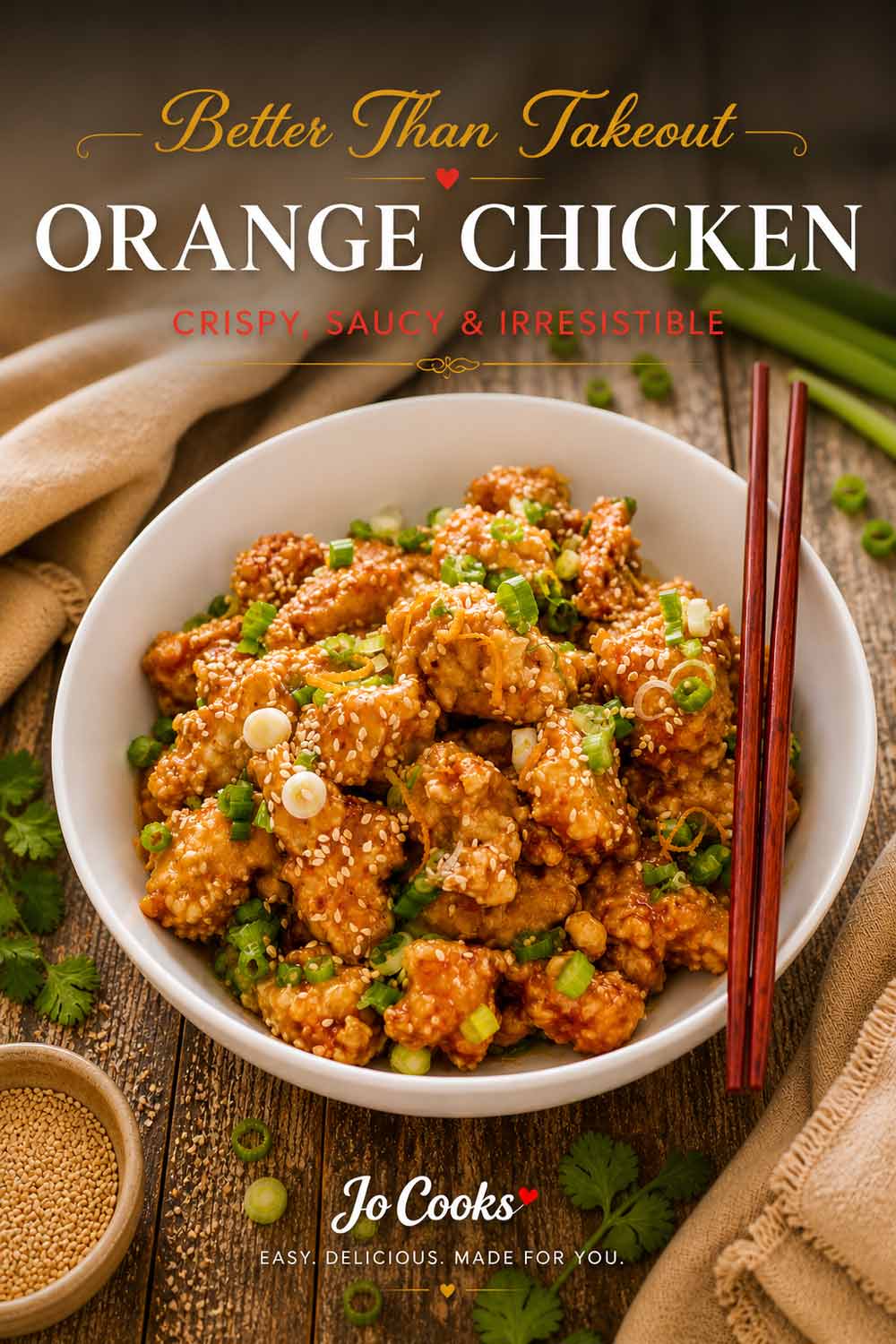
Real talk: most takeout Orange Chicken is sugar, food dye, and regret. This version uses actual oranges, and the difference is embarrassingly obvious. Thick, glossy sauce, genuinely crispy chicken, ready in 30 minutes.
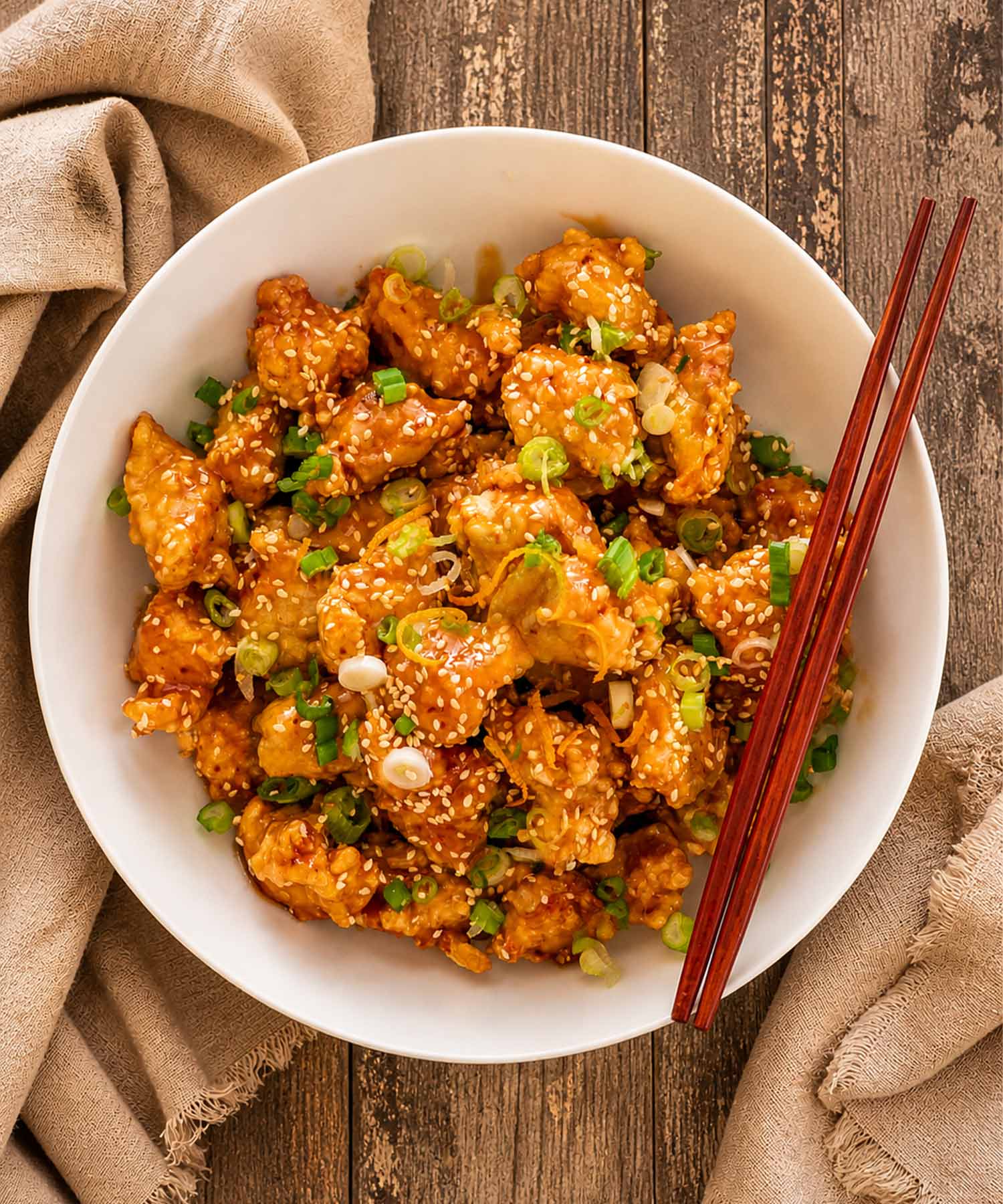

Why This Orange Chicken Beats Takeout Every Time
Orange chicken was created by a Panda Express chef in the 1980s and somehow took over every Chinese American restaurant menu overnight. After one too many Panda Express runs with Remo, I decided to figure out what actually makes that sauce so addictive.
Turns out most versions are built on corn syrup and food dye, which is why they all taste the same: aggressively sweet with zero actual orange flavor. Mine uses real juice and fresh zest, and once you try it you will wonder why you ever bothered with takeout.
Why This Orange Chicken Recipe Works
The secret is treating the chicken and the sauce as two separate problems. Because honestly, most recipes mess up at least one of them.
For the chicken, the combination of cornstarch and flour in the coating is what gives you that shatteringly crispy exterior that actually holds up once the sauce hits it. Cornstarch alone gets too brittle, flour alone gets soggy. Together they are unbeatable.
For the sauce, fresh orange juice and zest do what bottled juice simply cannot: they bring brightness and a slightly bitter citrus edge that keeps the sauce from tasting like melted candy. The cornstarch slurry thickens it to that glossy, clingy consistency you want coating every single piece.
The last thing that really makes this work is the order you do things in. You make the sauce first, fry the chicken second, and toss them together at the very last minute. That is how you get crispy chicken in a glossy sauce instead of a soggy mess in a pot.

Ingredients You Need and Why They Matter
- Orange juice and zest: Fresh is non negotiable here. Bottled juice is fine in a pinch but it lacks the bright, slightly bitter edge that fresh citrus brings. The zest is where the real orange flavor lives, so don’t skip it.
- Soy sauce: This is your salt and your umami in one. I like low sodium so you can actually control the flavor without tipping into salt bomb territory.
- Rice vinegar: This is what keeps the sauce from tasting flat. It cuts through the sweetness and gives you that subtle tang that makes everything feel balanced.
- Sugar: You need it for that glossy, sticky consistency. Swap in honey or brown sugar if you want, just know brown sugar leans a bit deeper and more molasses-y. Not a bad thing at all.
- Fresh ginger and garlic: Jarred will work, sure. But fresh hits completely different. More punch, more warmth, more everything.
- Cornstarch slurry: This is what transforms the sauce. Without it, you’ve got orange soup. With it, you get that thick glaze that actually clings to the chicken.
- Chicken breast: Cut it evenly so it cooks at the same rate. Thighs work too and stay juicier, so if you’re a dark meat person, go that route.
- Eggs: These are your glue. Skip them and your coating has nothing to hold onto.
- Cornstarch and flour: This combo is the whole game. Cornstarch brings the crunch, flour gives it structure. Together they hold up even after the sauce hits.
- Oil for frying: Go neutral with a high smoke point. Vegetable, canola, peanut oil all work. Olive oil is not the move here.

Combine the orange juice, sugar, rice vinegar, soy sauce, ginger, garlic and red pepper flakes in a medium saucepan over medium heat. Stir and cook for about 3 minutes until the sugar dissolves.

Whisk your cornstarch slurry into the sauce and keep whisking until it thickens, another 3 minutes. Remove from heat and stir in the orange zest. Set it aside while you deal with the chicken.
Do the sauce first. Always. It sits happily on the counter while you fry, and you want it warm and ready the second the chicken comes out of the oil.

Whisk the cornstarch and flour together in one shallow dish. Whisk the eggs in another. Dip each piece of chicken in the egg first, then dredge it through the flour mixture and set it aside on a plate. Work through all the chicken before you even think about turning on the oil.
Make sure every piece is evenly coated with no wet spots. Wet spots steam instead of fry, and steamed patches in a fried coating are how you end up with soggy chicken.

Heat about 2 inches of oil in a heavy bottomed pot to 350°F. Fry the chicken in batches, 2 to 3 minutes per batch, turning occasionally until golden brown. Transfer each batch to a paper towel lined plate.
Do not rush this step by crowding the pot. If you drop the oil temperature you will not get it back quickly enough and the next batch will suffer for it.

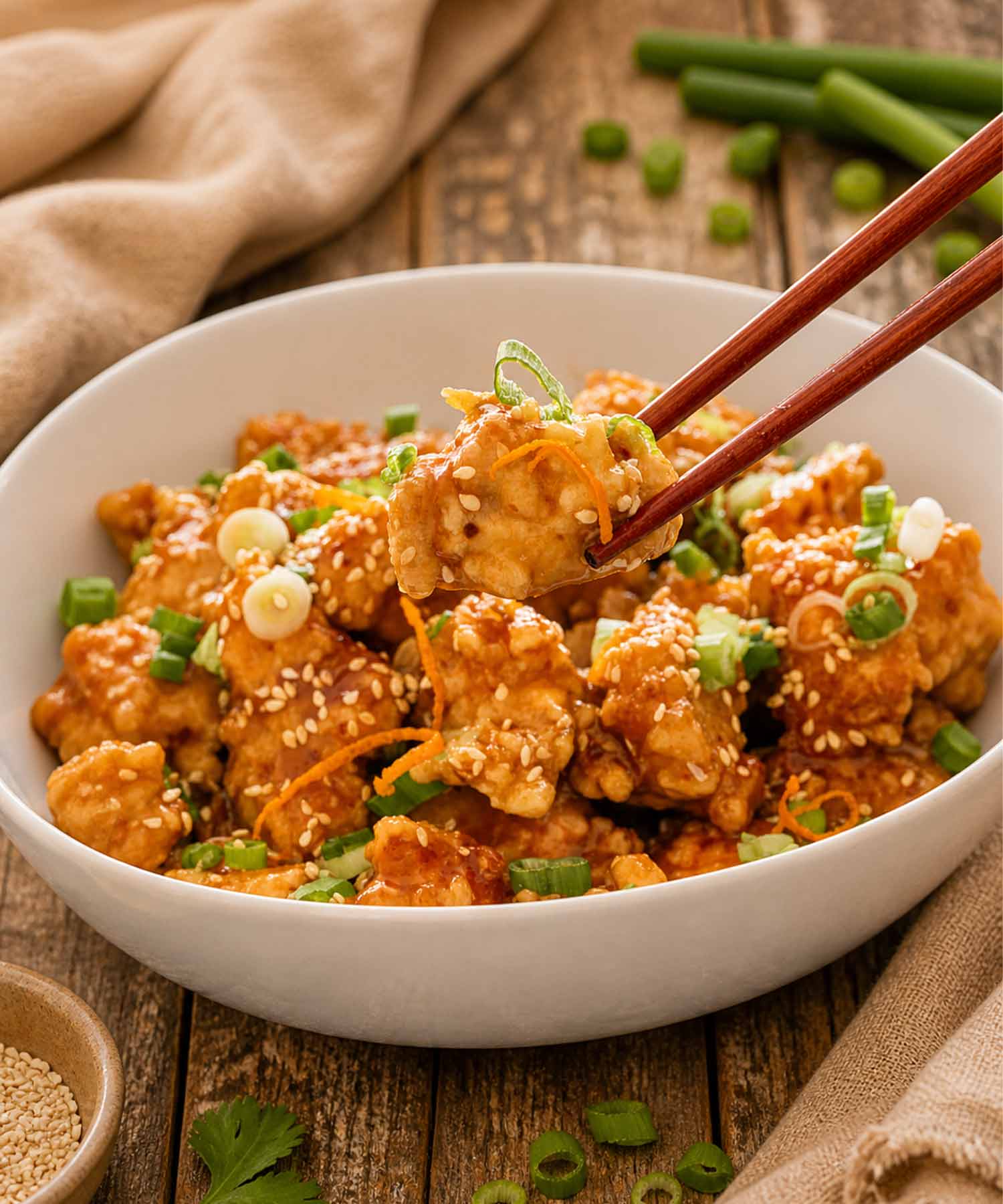
Transfer all the fried chicken to a large bowl, pour the warm sauce over it and toss until every piece is coated. Garnish with sesame seeds and sliced green onions. Serve immediately over rice.
This is not a dish that waits around. Toss it, plate it, eat it.
Pro Tips for Perfect Orange Chicken
Get your oil to the right temperature before you add anything. 350°F is the sweet spot. Too hot and the coating burns before the chicken cooks through. Too cool and the coating absorbs oil instead of crisping up, and you end up with greasy, pale chicken that no amount of sauce can save. A kitchen thermometer is not optional here, it is the difference between crispy and sad.
What to avoid: Guessing the oil temperature. A wooden chopstick dipped in the oil should bubble immediately. If it just sits there, the oil is not ready.
Fry in small batches and be patient about it. I know it is tempting to get it all done at once. Do not. Crowding the pot drops the oil temperature dramatically and you lose the crispiness you worked for. Three or four pieces at a time is enough. Yes it takes longer. Yes it is worth it.
What to avoid: Lifting the chicken too soon. Let it fry undisturbed for the first minute before you start turning it. Moving it around too early tears the coating.
Dry your chicken pieces before coating them. Pat them dry with paper towels before they go anywhere near the egg wash. Excess moisture creates steam inside the coating during frying, which softens it from the inside out.
What to avoid: Skipping the pat dry because it seems fussy. It is 30 seconds of work that makes a real difference.
Cut your chicken into even pieces. This is not about aesthetics. Uneven pieces mean some are overcooked by the time the smaller ones are done. Aim for roughly 1 inch pieces throughout.
What to avoid: Leaving thin scraggly bits in the mix. They cook in half the time and turn tough and chewy while you wait for the bigger pieces to catch up.
Toss the chicken in the sauce at the very last minute. The longer the chicken sits in the sauce, the softer the coating gets. Toss it right before serving, not five minutes before, not while you are setting the table.
What to avoid: Making this ahead and storing the chicken already sauced. Keep them separate until the moment you serve.
How To Serve
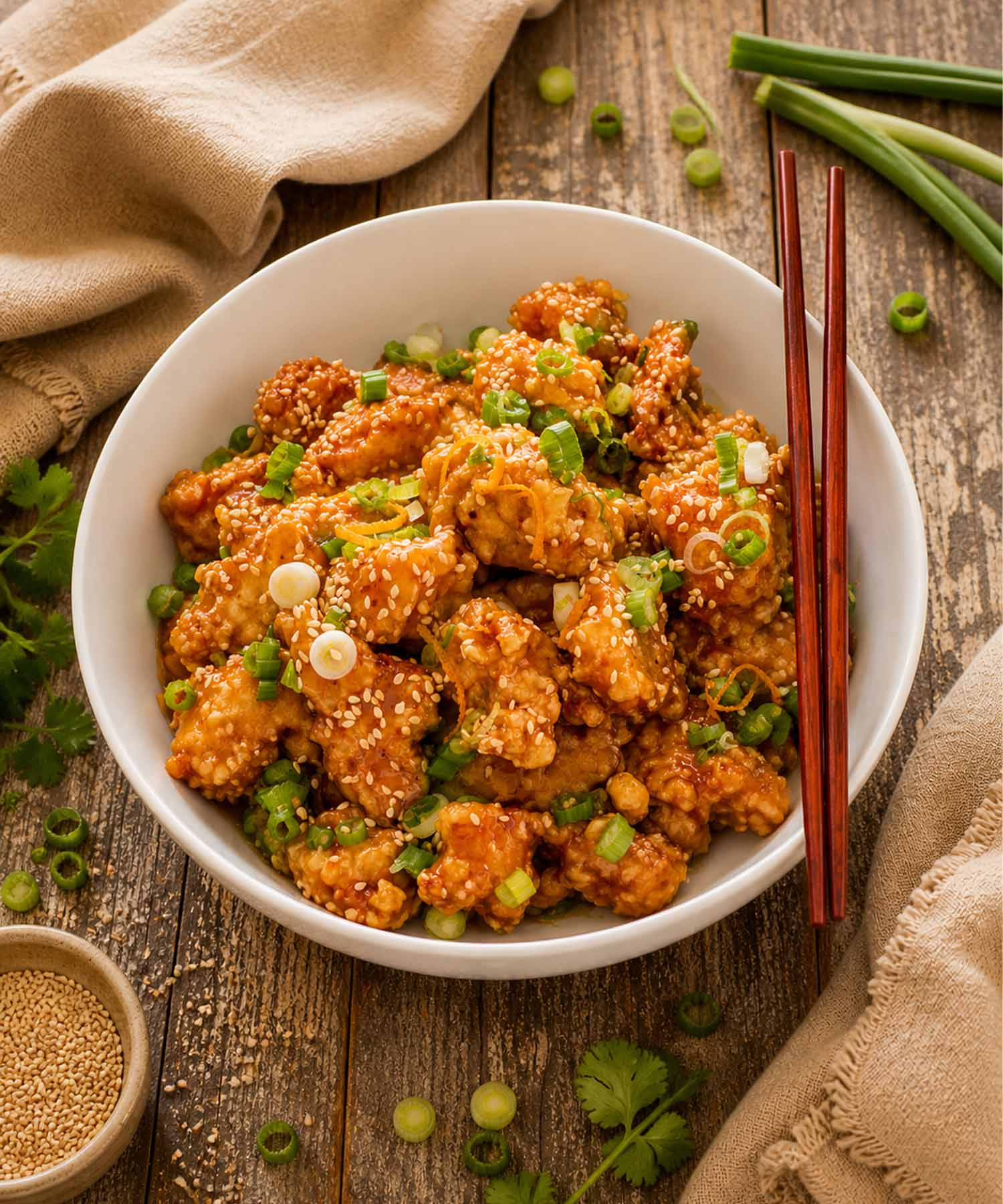
Orange chicken needs a base that can handle that sauce, and steamed jasmine rice is the classic choice for good reason. It soaks up every bit of that glossy orange glaze without competing with it.
That said, Remo and I have eaten this over fried rice on more than one occasion and I have zero regrets about it. Noodles work too, particularly garlic noodles if you want to lean into the Asian inspired flavors.
If you want to round out the meal, keep the sides simple. The chicken is doing all the heavy lifting here flavor wise, so you want things that complement rather than compete.
Some of our favorites:
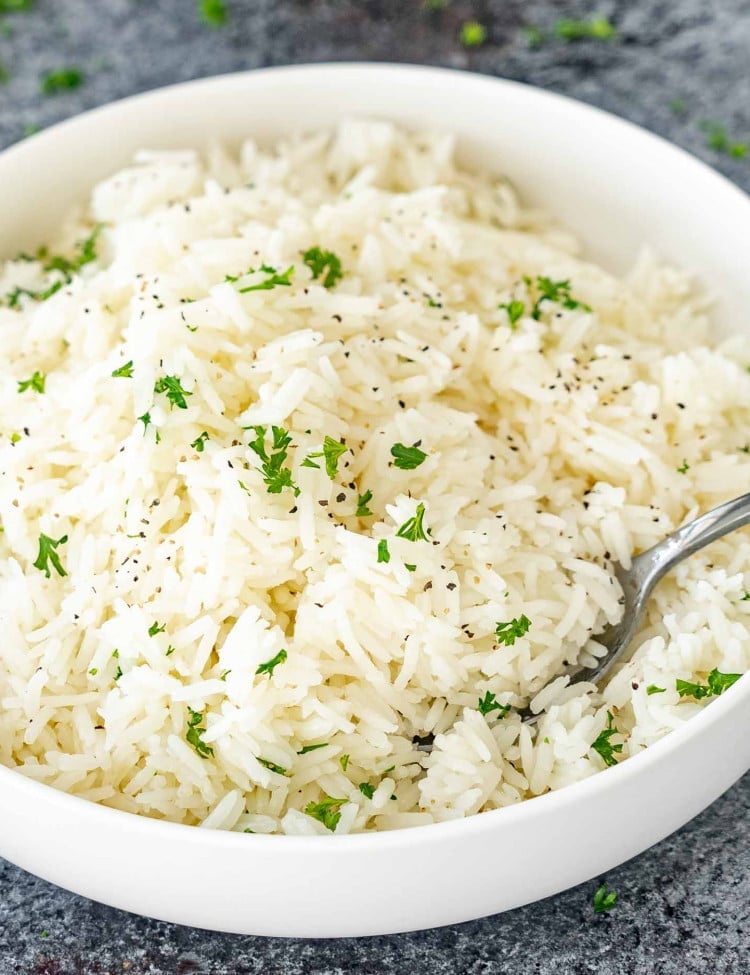
Jasmine Rice
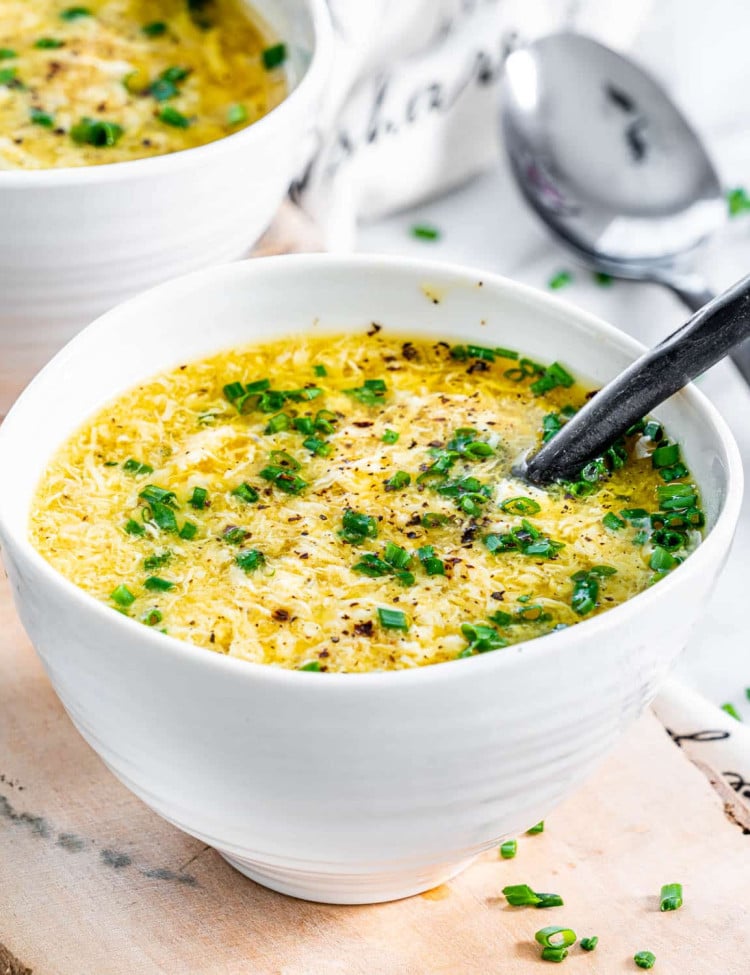
Egg Drop Soup
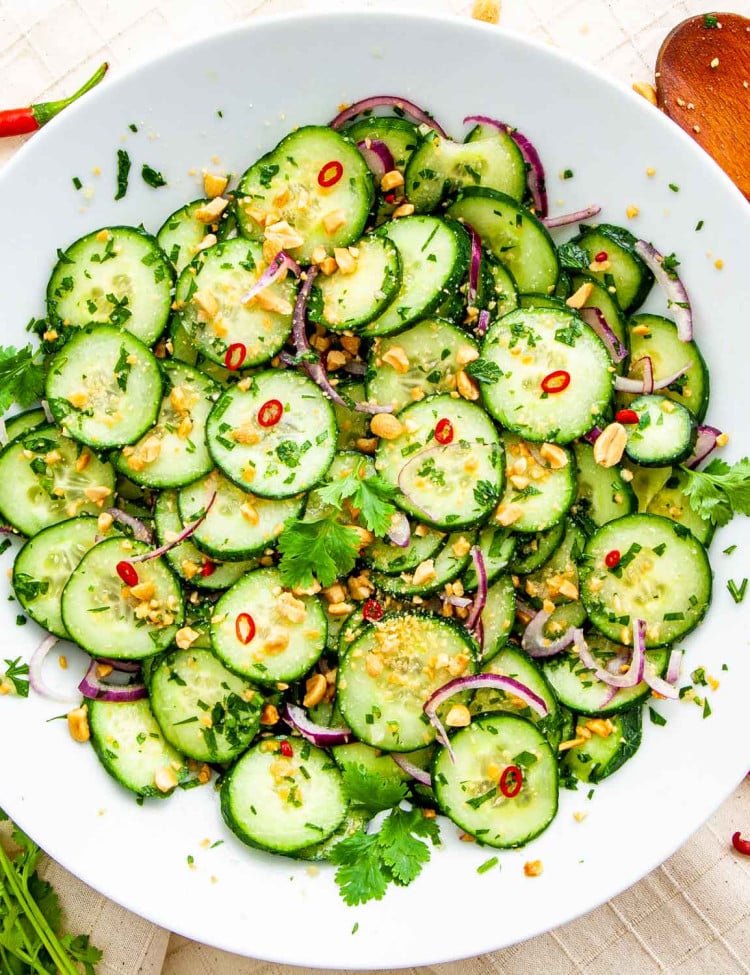
Thai Cucumber Salad

Garlic Noodles Recipe
Storage and Reheating
Store any leftovers in an airtight container in the fridge for up to 3 days. One important thing: store the chicken and sauce separately if you can. The coating continues to soften the longer it sits in the sauce, and by day two you will have more of a stew situation than a crispy chicken situation.
Reheating
The oven is your best friend here. Spread the chicken on a baking sheet and reheat at 350°F for 10 to 15 minutes until hot and crispy again. Warm the sauce separately in a small saucepan, then toss and serve. The microwave will work in a pinch but do not expect crispy results. You have been warned.
Freezing
Yes you can freeze this, and the same rule applies: freeze the chicken and sauce separately. The chicken goes in a freezer safe bag or container for up to 3 months. When you are ready to eat, reheat the chicken straight from frozen in the oven at 375°F for 15 to 20 minutes, and warm the sauce on the stovetop. Toss together right before serving.
Frequently Asked Questions
What is the difference between orange chicken and General Tso’s?
They are similar enough that people confuse them all the time, but the flavor profiles are actually quite different. Orange chicken leans sweet and citrusy with a bright tangy sauce. General Tso’s is darker, deeper and more savory with a heat forward profile and no real citrus presence. Think of orange chicken as the friendlier, more approachable cousin.
Is orange chicken actually Chinese?
Not really. It is a Chinese American invention, created by Panda Express chef Andy Kao in the 1980s and inspired loosely by a Hunanese dish.
Can I air fry the chicken instead of deep frying?
You can. Spray the coated chicken pieces with oil and air fry at 400°F for 12 to 15 minutes, flipping halfway through. The texture will be slightly different, less shattery crisp and more of a firm crust, but it is a solid option if deep frying is not your thing. Toss in the sauce right before serving just as you would with the fried version.
Can I use chicken thighs instead of breast?
Honestly, thighs might be the better choice. They have more fat which means more flavor and they stay juicier during frying. If you are someone who finds chicken breast tends to dry out, thighs are your answer. Same coating, same cook time, better margin for error.
Can I make the sauce ahead of time?
Yes and it is actually a great idea if you are meal prepping. The sauce keeps in the fridge in an airtight container for up to 3 days. Just reheat it gently on the stovetop before tossing with the chicken. Do not add the chicken until you are ready to serve.
More Asian Recipes To Try
- Kung Pao Chicken
- Easy Beef And Broccoli Stir Fry
- Chow Mein
- Chicken Lo Mein
- Sweet And Sour Chicken
- Asian Style Pepper Steak
- Szechuan Chicken
- General Tso’s Chicken
Before You Begin! If you make this, please leave a review and rating letting us know how you liked this recipe! This helps our business thrive & continue providing free recipes.
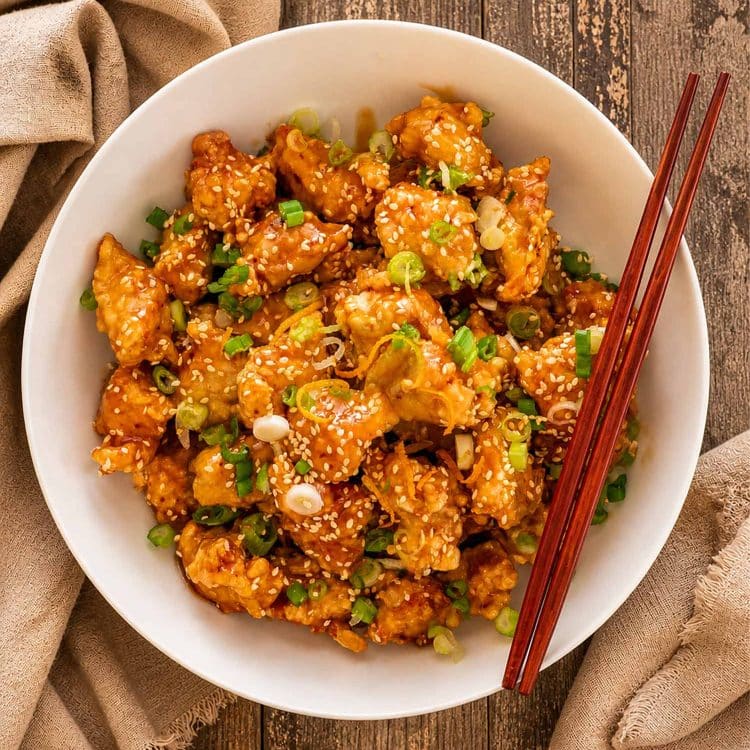
Orange Chicken
Video
Ingredients
Orange Sauce
- 1 cup orange juice
- ⅓ cup sugar
- 2 tablespoon rice vinegar
- 2 tablespoon soy sauce (low sodium)
- 1 teaspoon ginger (fresh, minced)
- 2 cloves garlic (minced)
- 1 teaspoon red pepper flakes
- 1 tablespoon cornstarch
- 1 tablespoon water
- 1 tablespoon orange zest
Orange Chicken
- 2 pounds chicken breast (boneless and skinless, cut into small pieces)
- 2 eggs
- ⅓ cup cornstarch
- ⅓ cup all-purpose flour
- oil (for frying)
Optional Garnish
- 1 tablespoon sesame seeds
- 2 green onions (finely chopped)
Before You Begin! If you make this, please leave a review and rating letting us know how you liked this recipe! This helps our business thrive & continue providing free recipes.
Instructions
- In a medium saucepan, add the orange juice, sugar, rice vinegar, soy sauce, ginger, garlic, red pepper flakes and stir. Cook for 3 minutes.

- In a small bowl whisk the 1 tablespoon of cornstarch with 1 tablespoon of water to form a paste. Add this to the orange sauce and whisk. Continue to cook for another 3 minutes. You'll notice the sauce will thicken. Remove from heat and stir in the orange zest.

- In a shallow dish whisk the flour and cornstarch together. In another shallow dish, whisk the eggs. Dip the chicken pieces in the egg first, then dredge through the flour mixture. Place on a plate. Repeat with remaining chicken.
- In a heavy-bottomed pot add about 2 inches of oil and heat until it reaches 350℉. Working in batches, add a few pieces of chicken at a time. Cook for about 2 to 3 minutes turning the chicken often until golden brown. Transfer the cooked chicken to a plate or bowl lined with paper towels. Repeat until all chicken is cooked.
- Transfer the chicken to a bowl, pour orange sauce over the chicken and toss well until all chicken is fully coated in the orange glaze.
- Garnish chicken with sesame seeds and green onions and serve over rice.


Notes
- Pat the chicken dry before coating it. Moisture is the enemy of crispy.
- Fry in batches of 3 to 4 pieces. Crowding the pot kills your oil temperature and you will end up with soggy chicken.
- Make the sauce first. It waits happily while you fry and you want it warm and ready the second the chicken comes out.
- Fresh orange juice and zest only. Bottled juice makes a noticeably flatter sauce.
- Toss the chicken in the sauce right before serving, not before. Every minute it sits the coating softens.
Nutrition Information
Notice: Nutrition is auto-calculated for your convenience. Where relevant, we recommend using your own nutrition calculations.