Chicken Marbella
This post may contain affiliate links. Please read my disclosure policy.
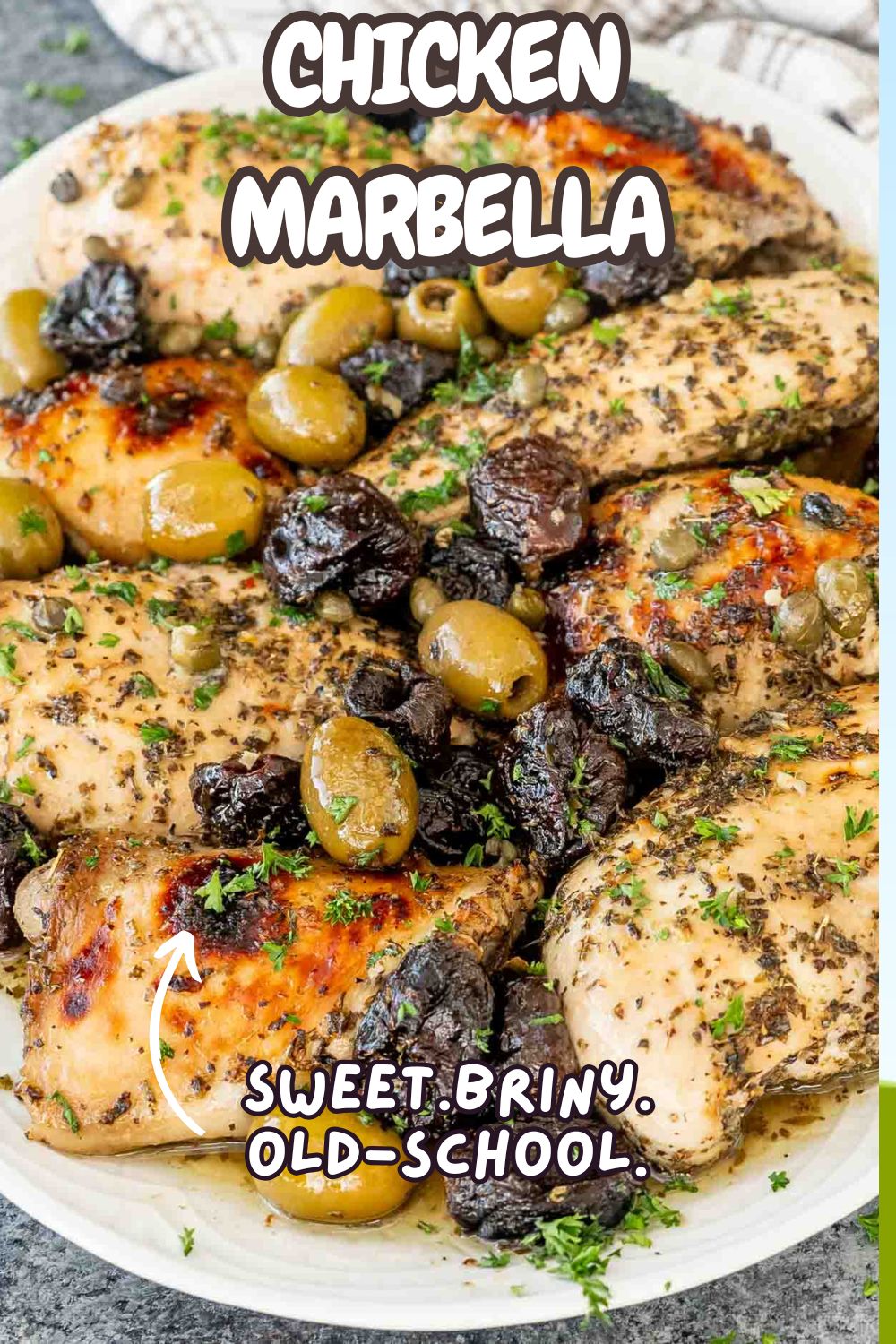
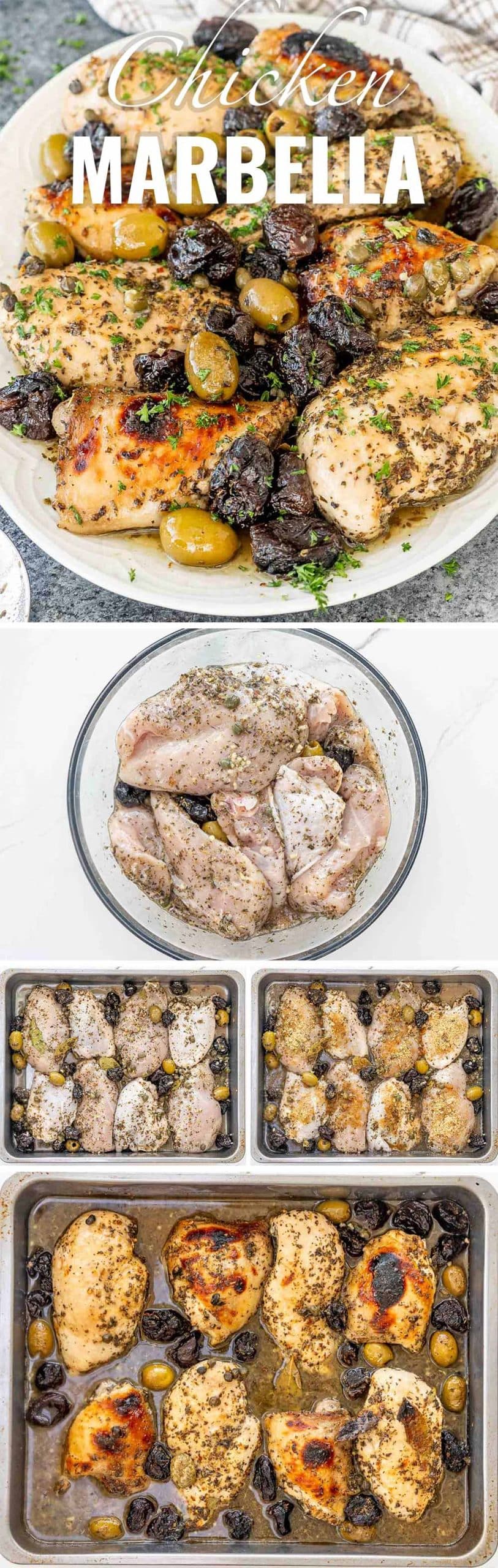
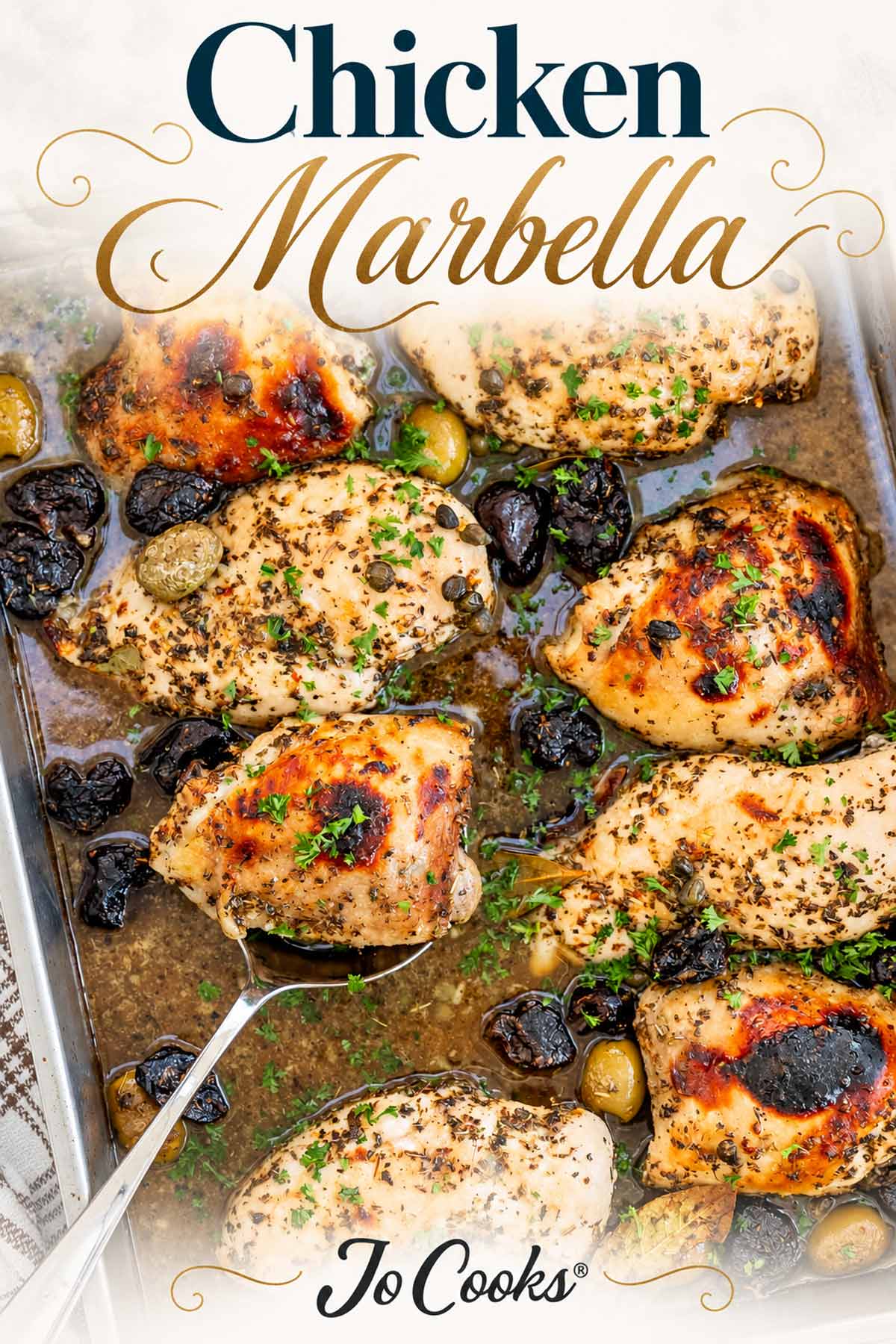
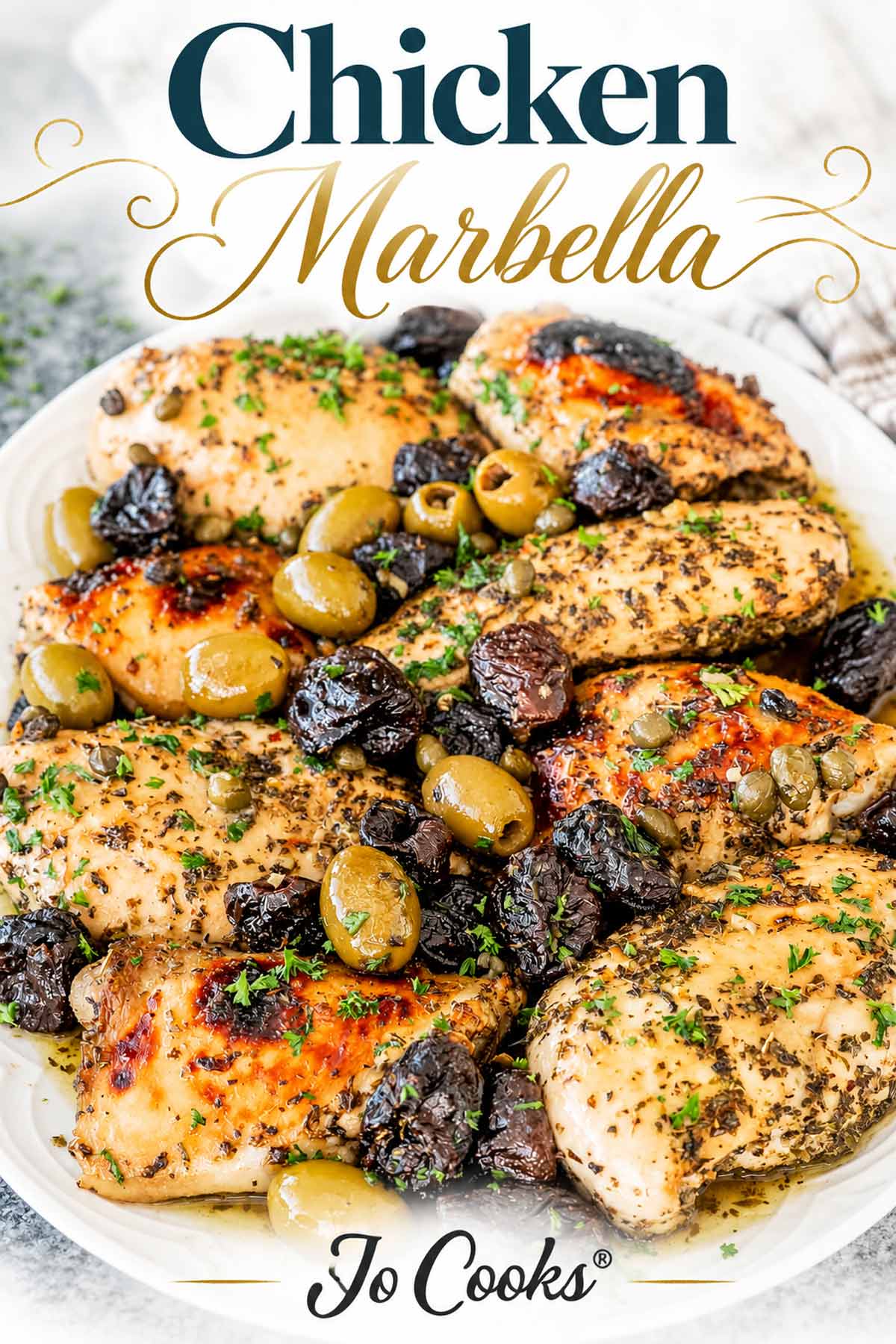
Chicken for company usually means a lot of last minute fussing. Not this one. Think chicken roasted in a sticky, briny, slightly sweet sauce of prunes, green olives, capers and white wine, marinated the day before so there’s nothing left to do when people arrive. Chicken Marbella has been solving that problem since 1982. One pan, made ahead, and a sauce you won’t be expecting.

What Is Chicken Marbella?
Chicken Marbella is chicken roasted with prunes, green olives, capers, garlic, oregano, brown sugar and white wine.
I know. I know how that reads. Stay with me.
What happens in the oven is that the prunes break down into something dark and jammy, the olives and capers go salty against them, the red wine vinegar keeps the whole thing from becoming too sweet, and the pan juices reduce into a glossy syrup you’ll want to spoon over everything on the plate.
Sweet, savory and briny all at once. It tastes expensive. It is not expensive.
The other thing it is: almost entirely made the day before. The chicken sits in its marinade overnight, then goes into a dish with wine poured around it and bakes. That’s the whole evening’s work, which is why this has been the move for people having other people over for 40 years.

The Silver Palate Chicken Marbella
This recipe comes from The Silver Palate Cookbook, published in 1982 by Sheila Lukins and Julee Rosso, who ran a tiny gourmet food shop on Columbus Avenue in Manhattan.
The book was a phenomenon and Chicken Marbella was its breakout. Through the 1980s it turned up at practically every dinner party in North America, partly because it tastes unusual in a way people remember, and partly because it’s the rare impressive thing you can finish the day before and then ignore.
It also scales beautifully. The original was written for 4 whole chickens, quartered, which tells you exactly what kind of evening they had in mind.
Mine is scaled down for a normal sized table and uses about half the brown sugar the original calls for, because a full cup pushes it further toward dessert than I want it to go. Everything else that makes it Marbella is still here: the prunes, the olives, the capers, the oregano, the vinegar and the bay leaves.
Ingredients in Chicken Marbella

- Chicken pieces (4 pounds, thighs and breasts): Bone in, skin on. Thighs are the ones that really sing in this sauce, so if you want to go all thighs I’d support that decision entirely.
- Garlic (5 cloves, minced): The original uses a whole head. Mine’s gentler, and the garlic is a background note here rather than the headline.
- Dried oregano (¼ cup): A quarter cup. That’s not a typo and it’s not a lot of oregano for this dish, it’s the correct amount of oregano for this dish. It’s one of the things that makes Marbella taste like Marbella.
- Red wine vinegar (½ cup): The whole balancing act. Without it the prunes and brown sugar would take over completely.
- Olive oil (½ cup): Goes in the marinade with the vinegar.
- Pitted prunes (1 cup): There’s a section about these below, because I know.
- Pitted green olives (½ cup): Spanish green olives, nothing fancy. They go soft and mellow in the oven and turn salty against the prunes.
- Capers with some of their juice (½ cup): The juice matters, so don’t drain them. It’s more briny liquid going into the sauce.
- Bay leaves (6): They perfume the whole pan. Fish them out before serving unless you want to play a game nobody enjoys.
- Brown sugar (½ cup, packed): Sprinkled over the top before baking, not stirred into the marinade. It’s what makes the pan juices go syrupy.
- Dry white wine (1 cup): Poured around the chicken rather than over it, so it doesn’t wash the sugar off.
- Salt and pepper, and fresh parsley (¼ cup, chopped) for garnish.
How To Make Chicken Marbella

Mix The Marinade: Garlic, oregano, salt, pepper, red wine vinegar, olive oil, prunes, olives, capers with their juice, and the bay leaves, all into a large bowl together.
It looks like a strange jumble at this stage and smells overwhelmingly of oregano and vinegar. Both of those are correct and neither is how it’ll taste tomorrow.

Marinate The Chicken: Add the chicken and turn it until every piece is coated. Cover and into the fridge.
2 hours will do it and overnight is better. If you’ve got the time, overnight is where the flavor really gets into the meat rather than just sitting on it. If you’ve got 2 hours, make it anyway, it’ll still be very good.

Assemble The Dish: Oven to 350°F. Arrange the chicken in a single layer in your baking dish, then spoon all that marinade over the top, prunes and olives and capers and all.
Sprinkle the brown sugar over the chicken, then pour the white wine around the chicken rather than over it. That way the sugar stays where you put it instead of washing down into the pan.

Roast Uncovered: 50 minutes, basting with the pan juices every 15 minutes or so.
I strongly suggest you baste the chicken frequently. It’s what builds that glossy lacquer on the skin and keeps the sugar from just sitting in the bottom of the dish. The chicken is ready when it’s browned and the juices run clear, and if you want a number, 165°F at the thickest part of a thigh.
If the sauce still looks thin at the end, you can pull the chicken out and reduce the juices in a pan on the stove for a few minutes.
Finish And Serve: Move the chicken, prunes, olives and capers onto a platter, spoon plenty of the pan juices over everything, and scatter the parsley on top.
Serve the rest of the juices alongside. There’s no version of this where anyone wants less sauce.
Let’s Talk About The Prunes
If you’re looking at that ingredient list and hesitating, you’re in the majority and I’d like to make the case.
Prunes are just dried plums, and they’ve had a rough public relations run. In the oven for 50 minutes with vinegar and wine around them, they stop being dried fruit entirely. They go soft and dark and jammy, somewhere closer to a date or a fig, and they melt into the pan juices rather than sitting there announcing themselves.
It doesn’t taste like dessert. This is the question I get most and the answer is no. The vinegar, the olives and the capers are all pulling hard in the other direction. What you get is sweet and salty at the same time, the way a good ham glaze is, not sweet in a pudding way.
If you really don’t want prunes, dried figs or dried apricots will both work and give you something good. It just won’t be Chicken Marbella anymore, it’ll be a lovely chicken dish wearing its clothes. And skipping the dried fruit altogether leaves the sauce thin and sharp, because there’s nothing left to balance all that vinegar.
My honest advice is to try it once as written. The prunes are the reason the dish works.

How To Serve
The sauce is the point, so most of this is about giving it somewhere to go.
And a glass of whatever white wine you opened for the pan, since you’ve already got it open.
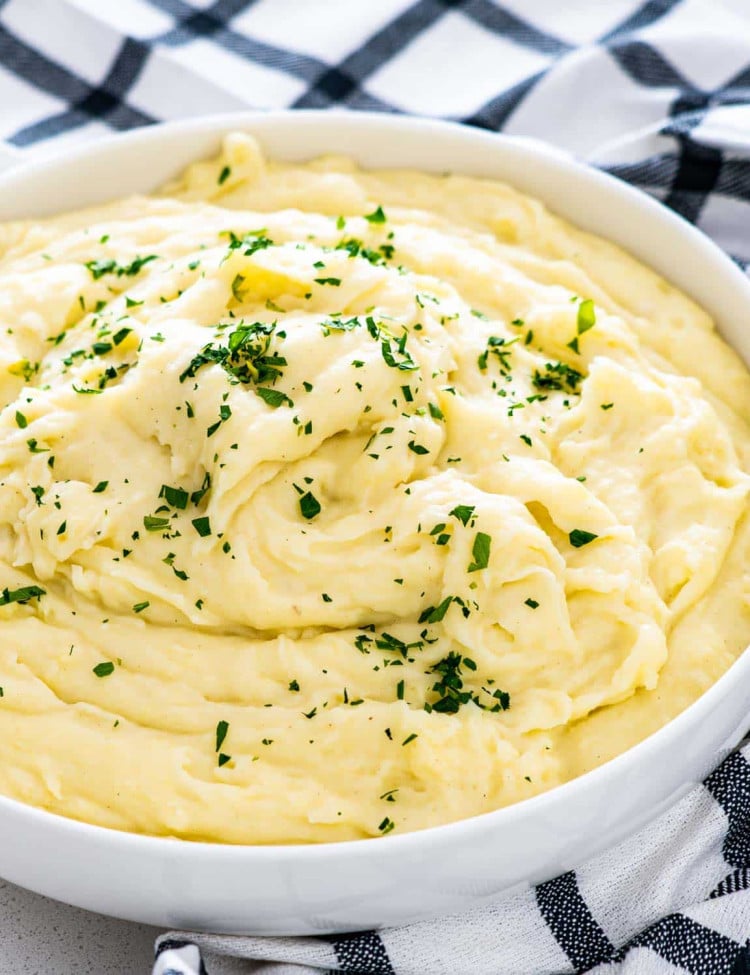
Homemade Mashed Potatoes Recipe
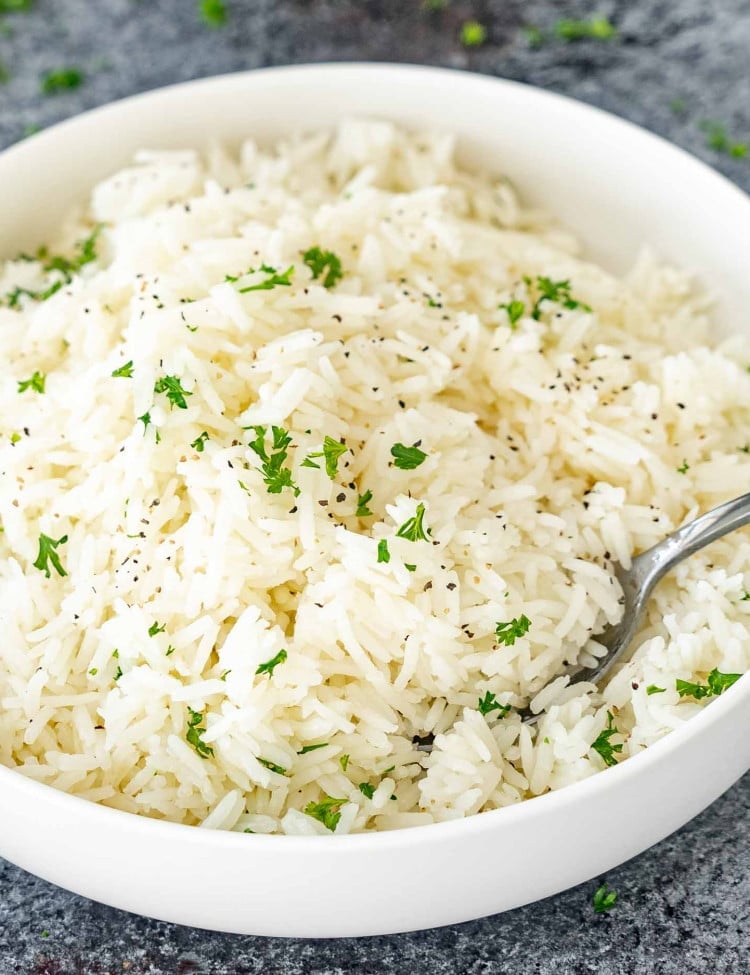
Jasmine Rice
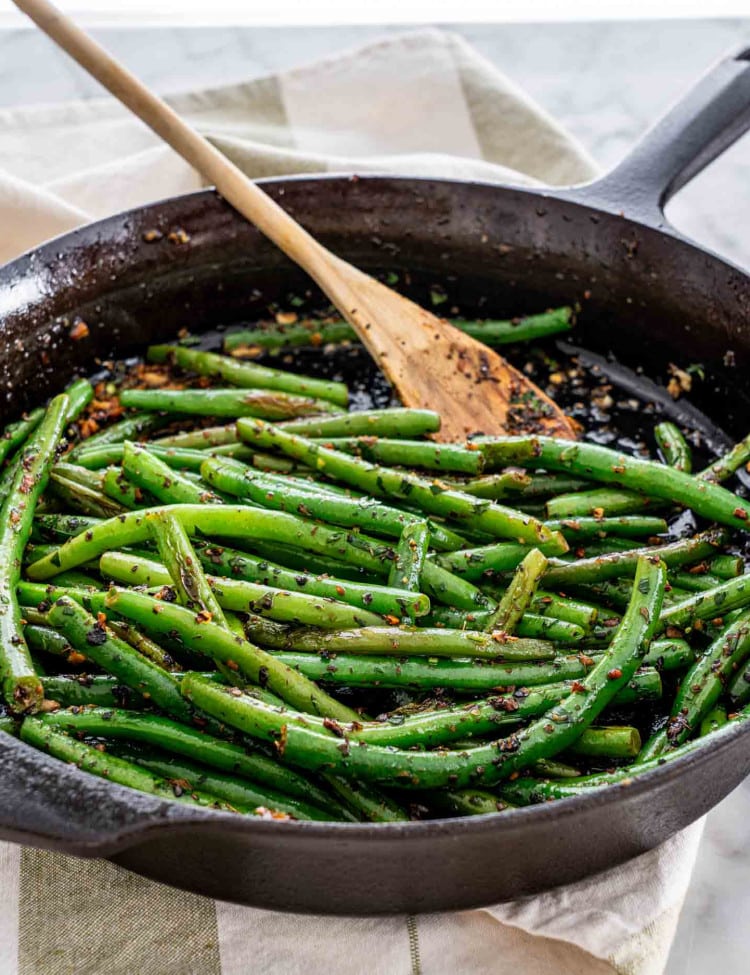
Skillet Green Beans
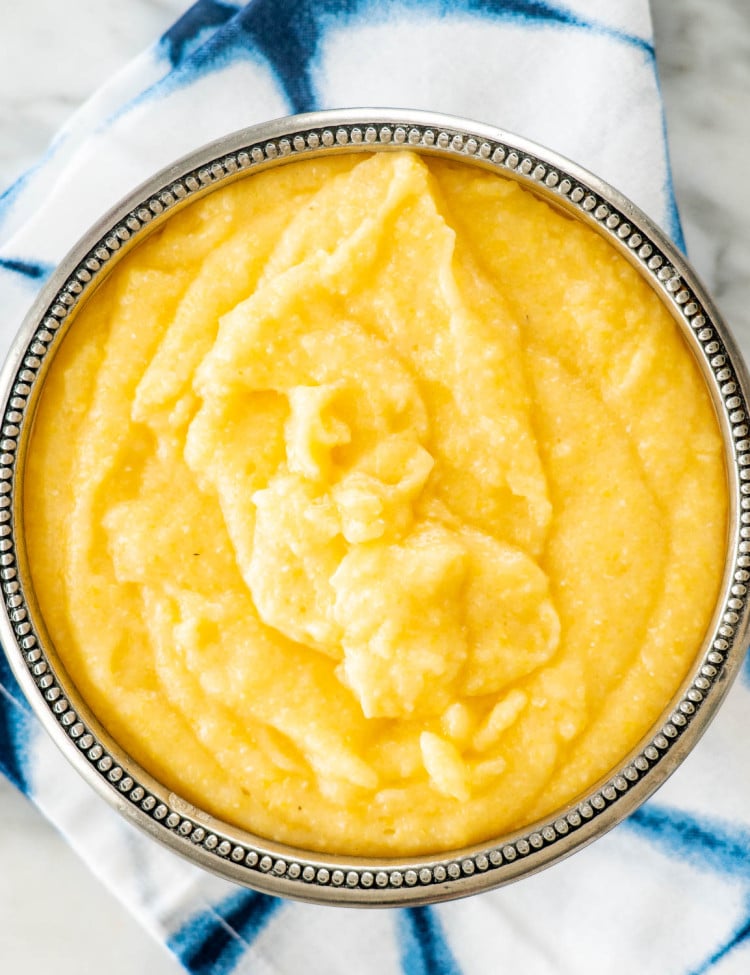
Creamy Polenta
Make It Ahead
This is what Chicken Marbella is for, so I’m going to be very specific.
- The marinade can go together up to 2 days before you plan to cook, with the chicken sitting in it in the fridge the whole time.
- You can bake it entirely ahead and reheat it, which some people swear is better. Cool it, refrigerate, then reheat covered at 325°F for about 20 minutes. The sauce gets even deeper overnight.
- What doesn’t work ahead is the parsley. Add that at the last minute or it goes dark and sad in the fridge.
Storage and Reheating
Fridge: 3 to 4 days in an airtight container with the sauce. Keep the chicken sitting in those juices, because that’s what keeps it from drying out.
Reheating: Covered, at 325°F for 20 minutes or so, with the pan juices spooned over. Microwaving works if you’re in a hurry, just cover it and go gently so the chicken doesn’t toughen.
Freezer: Up to 3 months with the sauce. Thaw overnight in the fridge before reheating. The prunes come out a little softer than they went in, which nobody has ever complained about.
And cold Chicken Marbella on a sandwich the next day is a genuinely great lunch.

Other Recipes You’ll Love
- Moroccan Style Roast Chicken and Potatoes – Another sweet and savory chicken with warm spices, all in one pan.
- Oven Baked Chicken Thighs – The plain weeknight version when you want chicken and not a project.
- Baked Lemon Chicken Thighs – Bright and lemony instead of sweet and briny, same easy method.
- Roast Chicken – For when a whole bird is the right answer.
- French Onion Chicken Bake – Over on All My Cravings, and another one that does most of the work in the oven.
- Easy Oven Roasted Potatoes – From Craving Home Cooked, and they’ll happily sit under all that sauce.
Before You Begin! If you make this, please leave a review and rating letting us know how you liked this recipe! This helps our business thrive & continue providing free recipes.

Chicken Marbella
Video
Ingredients
- 5 cloves garlic (minced)
- ¼ cup dried oregano
- salt and pepper (to taste)
- ½ cup red wine vinegar
- ½ cup olive oil
- 1 cup pitted prunes
- ½ cup pitted green olives
- ½ cup capers (with a bit of juice)
- 6 bay leaves
- 4 pounds chicken pieces (thighs and breasts)
- ½ cup brown sugar (packed)
- 1 cup white wine (dry is best)
- ¼ cup fresh parsley (chopped, for garnish)
Before You Begin! If you make this, please leave a review and rating letting us know how you liked this recipe! This helps our business thrive & continue providing free recipes.
Instructions
- Combine 5 cloves minced garlic, ¼ cup dried oregano, salt, pepper, ½ cup red wine vinegar, ½ cup olive oil, 1 cup pitted prunes, ½ cup green olives, ½ cup capers with their juice, and 6 bay leaves in a large bowl to make the marinade.

- Add 4 pounds chicken pieces and coat well. Cover and refrigerate for 2 hours or overnight.

- Preheat the oven to 350°F (175°C).
- Arrange the chicken in a single layer in a large baking dish. Spoon the marinade over it, sprinkle with ½ cup brown sugar, and pour 1 cup white wine around the chicken.

- Bake for 50 minutes, basting often with the pan juices, until the chicken is browned and cooked through and the sauce becomes syrupy. The chicken is done at an internal temperature of 165°F.

- Move the chicken, prunes, olives and capers to a platter. Spoon over some pan juices and garnish with ¼ cup chopped parsley.
Equipment
Notes
- Use a dish big enough to hold the chicken in a single layer. 4 pounds of chicken pieces needs more room than a standard 9×13, so a half sheet pan or 2 dishes works better. Crowded chicken steams instead of browning.
- Overnight beats 2 hours. Both work, but an overnight marinade gets the flavor into the meat rather than just onto it.
- Baste every 15 minutes. This is what builds the glossy finish on the skin and keeps the sugar from settling in the bottom of the dish.
- Pour the wine around the chicken, not over it, so the brown sugar stays on top where you put it.
- If the sauce is thin at the end, lift the chicken out and reduce the juices on the stovetop for a few minutes.
- Make it entirely ahead if you like. Cool, refrigerate, and reheat covered at 325°F for about 20 minutes. Many people think it’s better the second day.
Nutrition Information
Notice: Nutrition is auto-calculated for your convenience. Where relevant, we recommend using your own nutrition calculations.
Do the prunes make it sweet?
Not in the way you’re picturing. There’s a sweetness to it, but the red wine vinegar, the olives and the capers are all working against it, so what you actually get is sweet and salty together rather than sugary. If you’re nervous, start with the half cup of brown sugar rather than more.
Can I skip the prunes?
You can swap them for dried figs or dried apricots and still have something lovely. Leaving out the dried fruit entirely isn’t a swap I’d make though, since there’d be nothing left to balance all that vinegar and the sauce would come out sharp and thin.
What does Chicken Marbella taste like?
Sweet, salty, briny and a little tangy, all at the same time. The closest comparison is probably a good ham glaze, if a ham glaze had olives and capers in it.
Do I really have to marinate it overnight?
No, 2 hours will get you there. Overnight is better because the flavor works its way into the meat rather than sitting on the surface, but a short marinade still makes a very good dinner, and a very good dinner tonight beats a slightly better one tomorrow.
Can I use boneless chicken?
Yes, though you’ll want to cut the time down to about 30 to 35 minutes and watch it, since boneless breasts dry out quickly. Bone in and skin on gives you better flavor and a better sauce, so that’s what I’d reach for.
What kind of olives should I use?
Spanish green olives, pitted. Nothing expensive. Castelvetrano are lovely if you have them, and ordinary green olives from a jar work perfectly well.
Why is this recipe so famous?
It came out of The Silver Palate Cookbook in 1982 and became the dinner party dish of the decade. It makes ahead, it scales up, it feeds a crowd from one pan, and it tastes like nothing else on the table.