Chicken Yakitori
This post may contain affiliate links. Please read my disclosure policy.
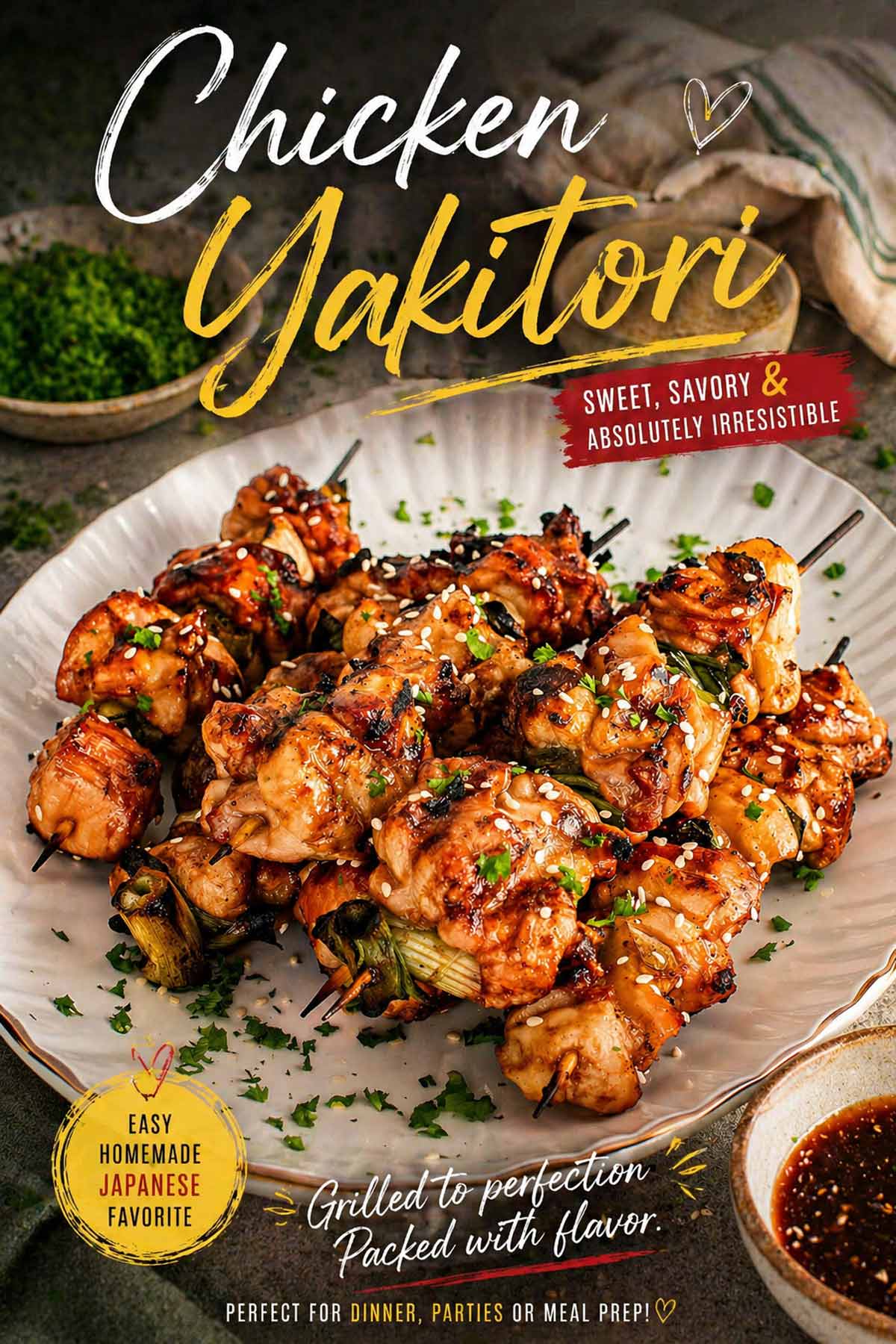
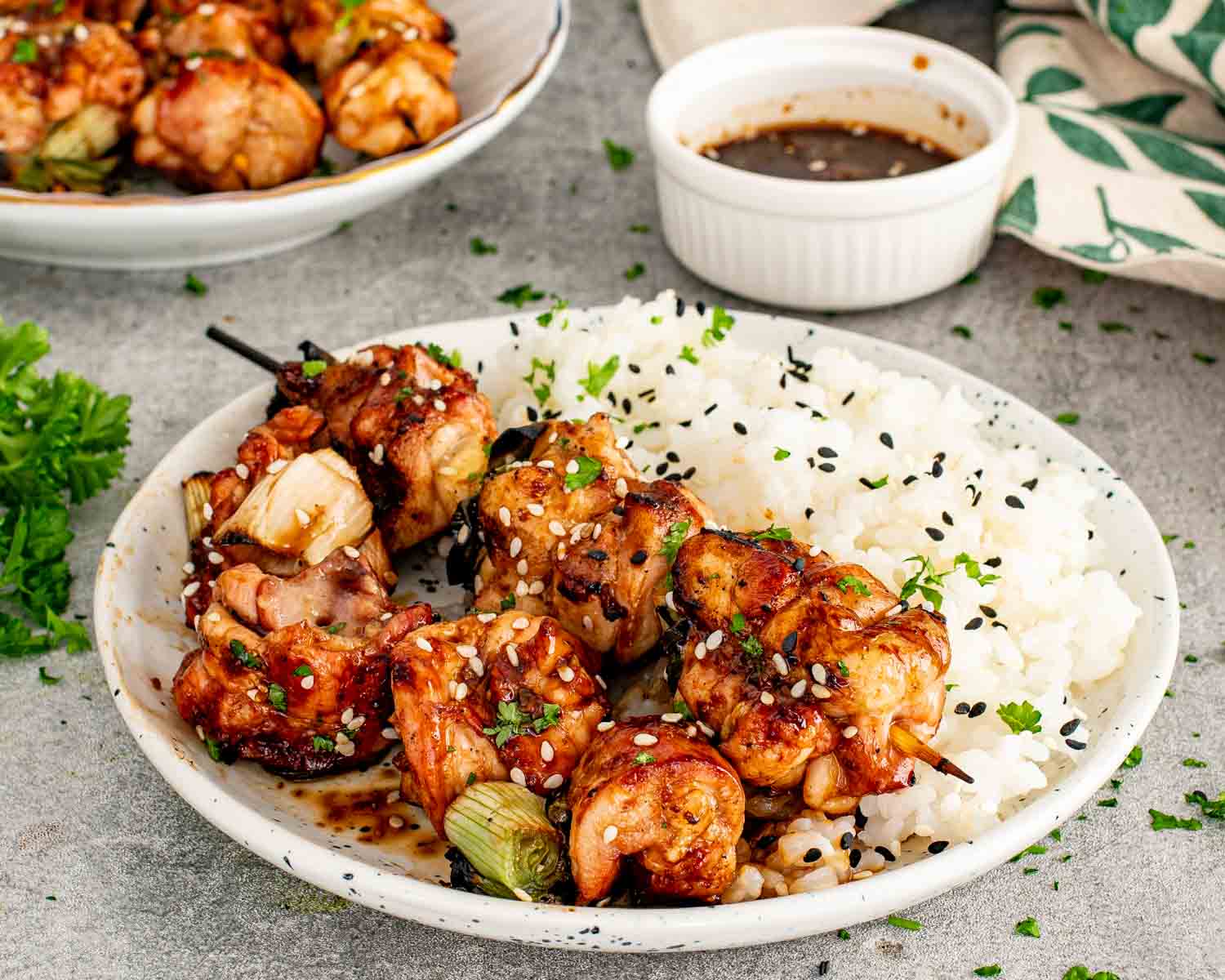
If you are still ordering Japanese takeout on a Wednesday night then we need to have a serious talk. This Chicken Yakitori takes thirty minutes from start to finish and tastes significantly better than anything arriving in a plastic container.
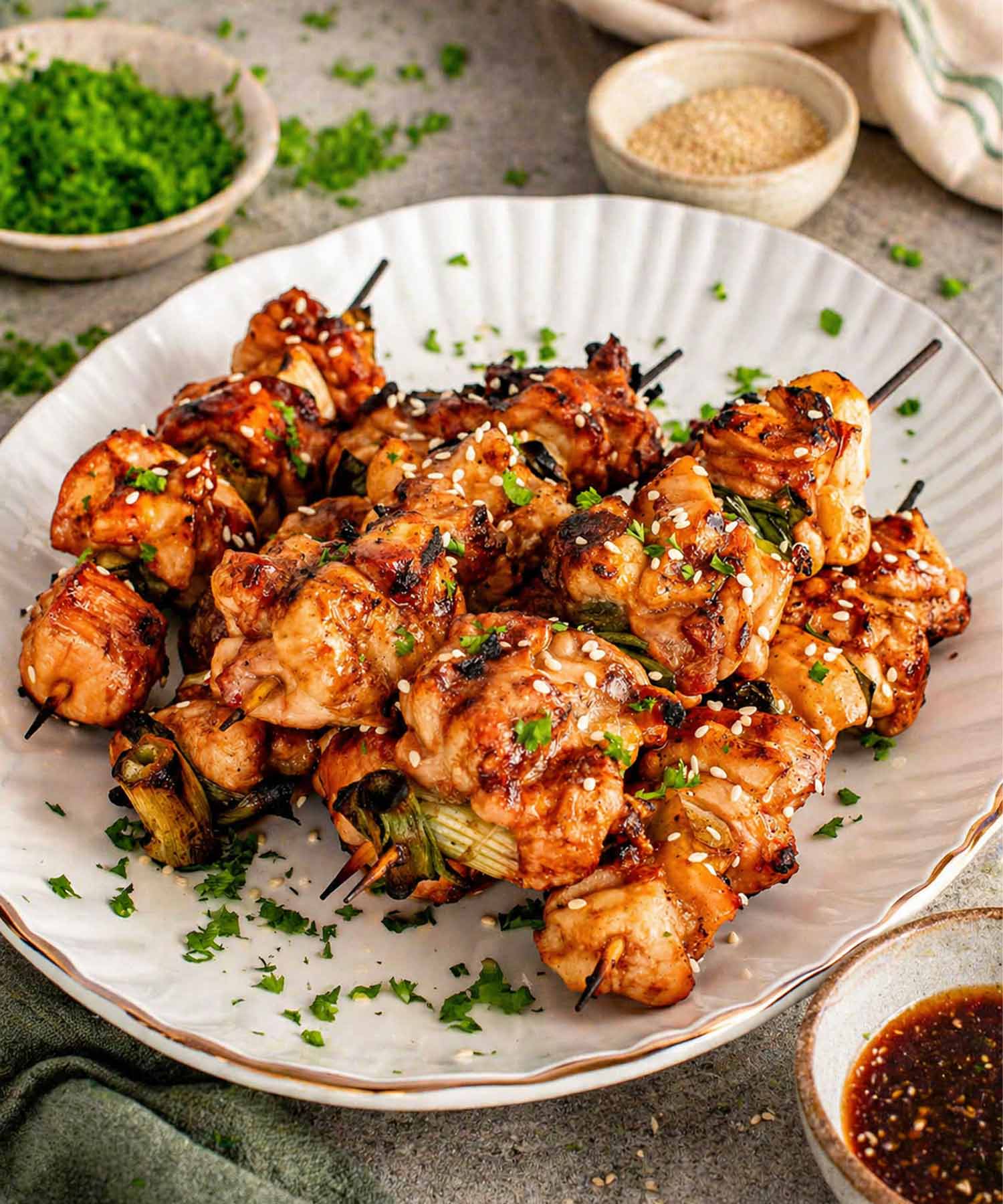

Better Than Takeout Chicken Yakitori
This tare sauce is the only recipe you need in your back pocket. It is glossy and salty and just sweet enough to make you want to lick the grill pan. We are using chicken thighs because chicken breasts have no business being on a skewer. They dry out faster than my skin in the winter and we all deserve better than that. Stick with the thighs and you will actually enjoy your dinner.
Grab your skewers and let us get to work. Your family will think you spent hours over a charcoal pit but we will keep the truth between us.
What is Yakitori?
Yakitori is essentially the ultimate Japanese street food. The word literally translates to grilled chicken and it is traditionally cooked over binchotan charcoal until the meat is smoky and charred. In Japan you will find tiny shops dedicated entirely to these skewers where masters spend their whole lives perfecting the art of the grill.
While we might not have a professional charcoal pit in our backyards we can still get those same incredible flavors at home. It is all about the balance between the juicy meat and that signature glaze. We are keeping it simple today with the classic combination of chicken and green onions which is known as Negima. It is fast and flavorful and exactly what you want when you need a meal that feels special without the fuss.
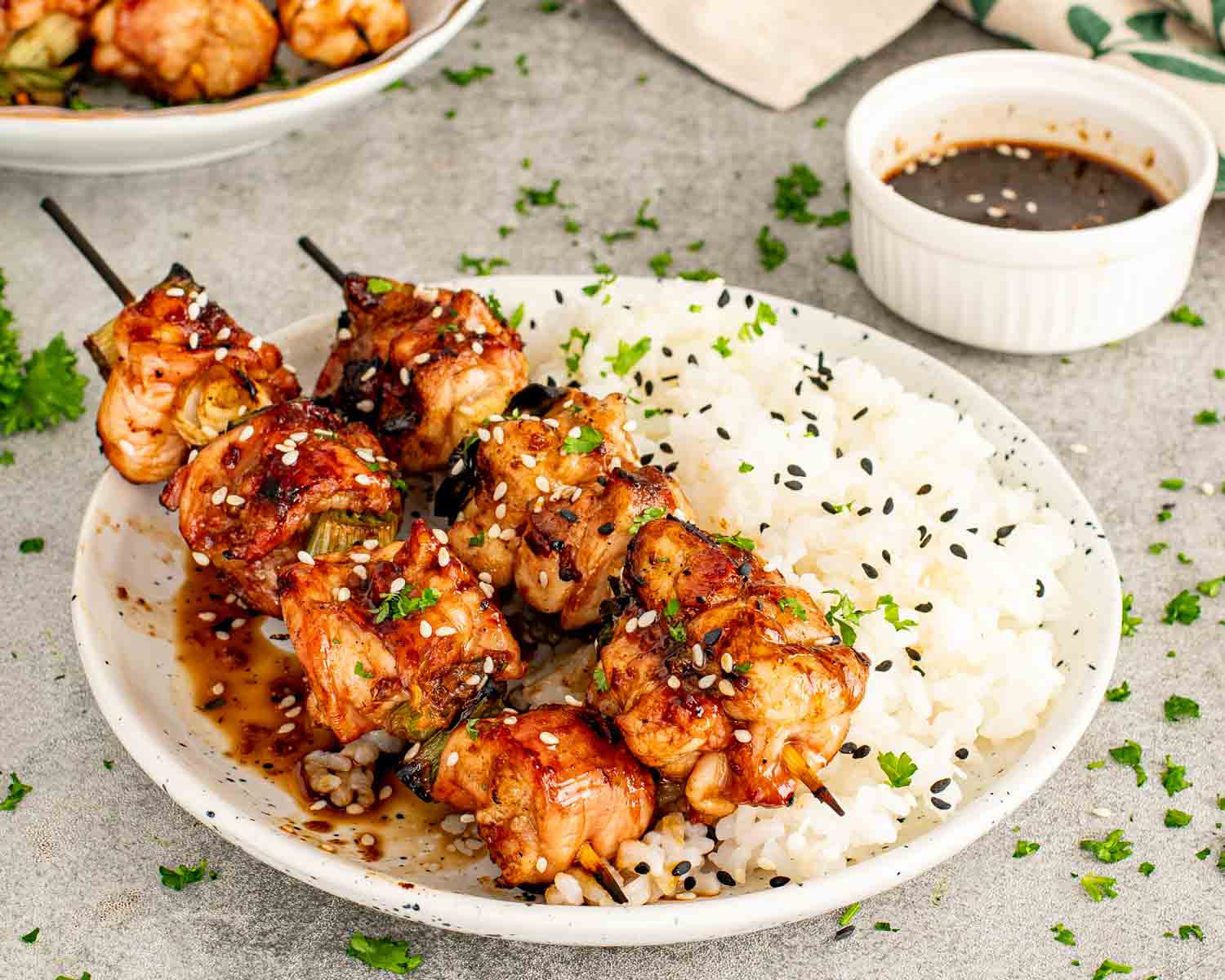
The Secret to the Best Yakitori Sauce (Tare)
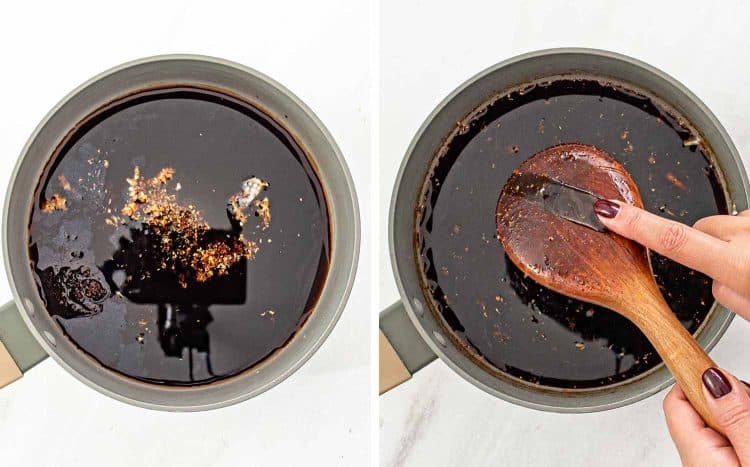
This sauce is the soul of the dish and far superior to anything you can buy in a bottle. By simmering the soy sauce with mirin and sake you are doing more than just mixing flavors. You are reducing the liquid and concentrating the sugars to create a thick and glossy glaze that actually clings to the chicken. It should be syrupy enough to coat the back of a spoon so it transforms into a beautiful caramelized crust on the grill. Just remember to set aside a little clean sauce to brush on at the very end for that final hit of professional flavor.
Key Ingredients & Tips
To get that authentic flavor you need a few specific items from the pantry. Do not try to swap these out for whatever is hiding in the back of your cupboard if you want the real deal.
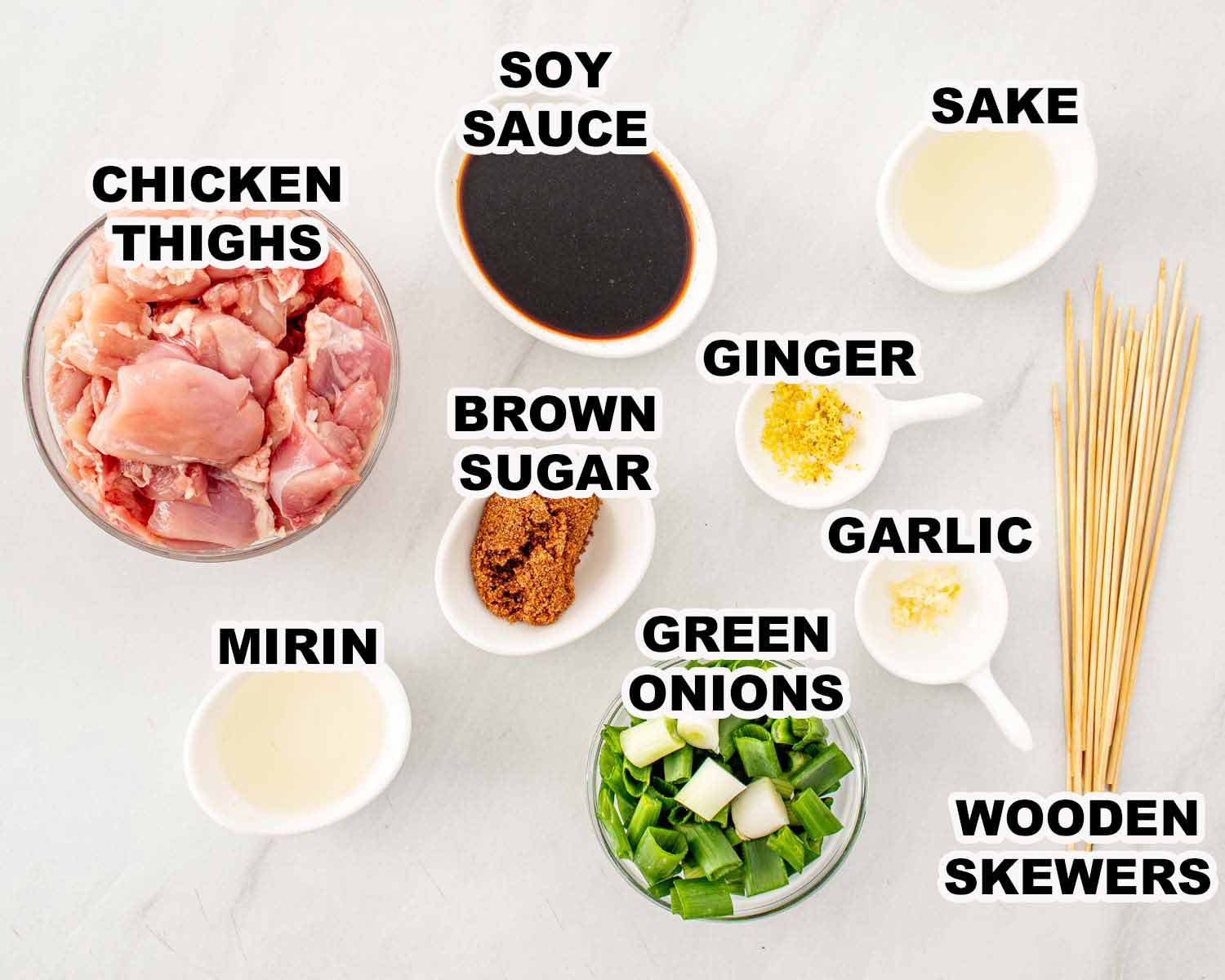
- Chicken Thighs: As I mentioned before we are using boneless skinless thighs. They have enough fat to stay juicy under the high heat of the grill.
- Low Sodium Soy Sauce: This allows us to get that deep umami flavor without making the dish a total salt bomb.
- Mirin and Sake: These are the backbone of Japanese cooking. Mirin adds sweetness and a beautiful luster to the sauce while sake helps tenderize the meat and adds depth.
- Fresh Ginger and Garlic: Please use the fresh stuff. The jarred paste just does not have the same punch and we want this sauce to sing.
- Green Onions: Use the white and light green parts. They get soft and sweet when grilled and provide the perfect contrast to the savory chicken.
- Soak Those Skewers: If you are using wooden skewers you must soak them in water for at least 30 minutes. If you skip this step you will end up with charred sticks that snap in half when you try to pick them up. It is a small step that saves a lot of frustration.
- Size Matters: Cut your chicken into uniform 1-inch pieces. If some pieces are huge and others are tiny they will not cook at the same rate. We want everything finished at the same time so nobody is stuck chewing on a raw center or a hockey puck.
- The Glaze Game: Wait to brush on the sauce until the chicken is partially cooked. The tare has a high sugar content and will burn if it sits on the heat for too long. Brush it on during the last few minutes of grilling to get that beautiful caramelized finish without the bitter burnt taste.
- Clean Your Grill: Make sure your grill pan or outdoor grill is screaming hot and well oiled before you start. Chicken skin or meat loves to stick to a cold grate and there is nothing sadder than leaving half your dinner stuck to the bars.
How To Make Chicken Yakitori
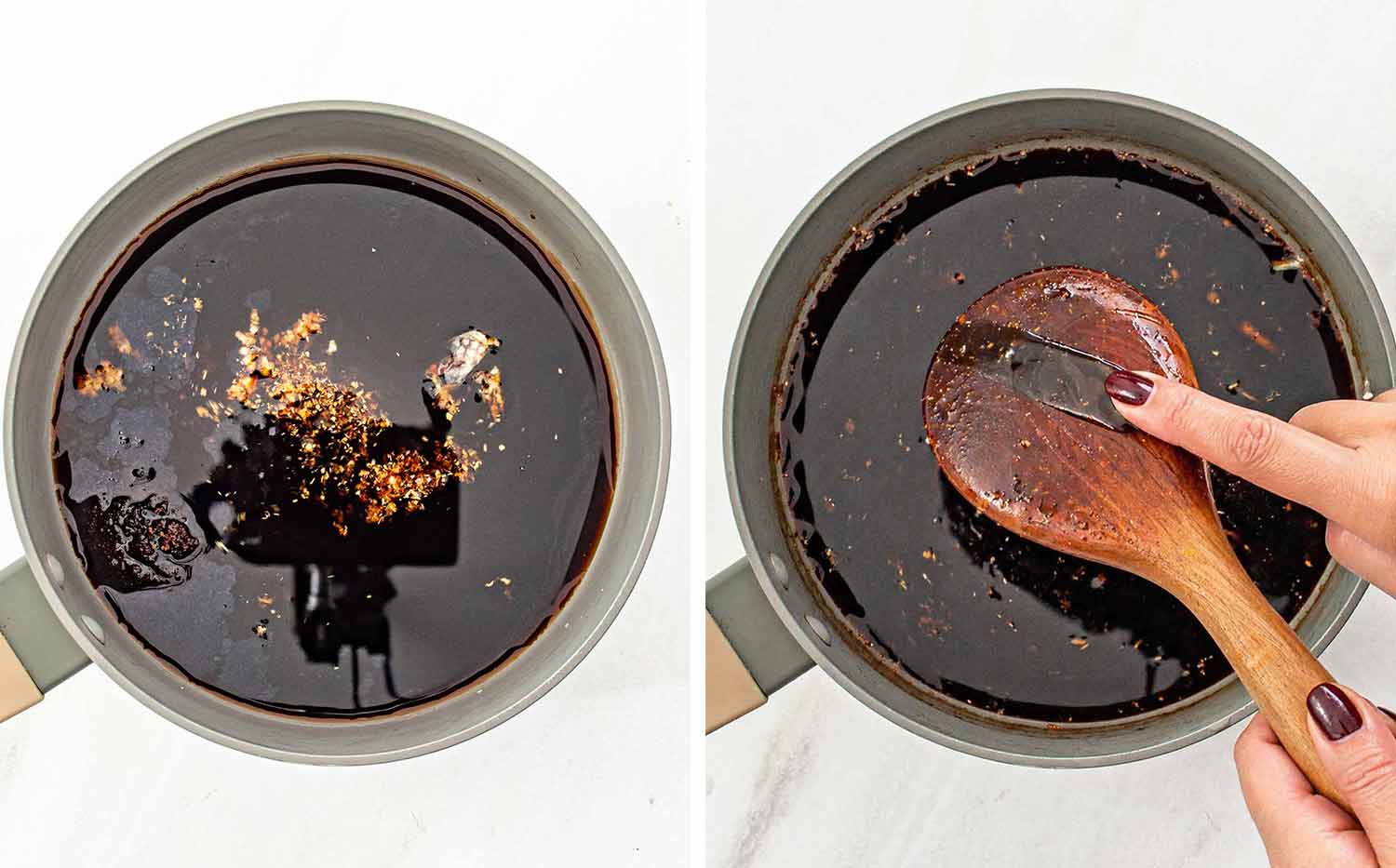
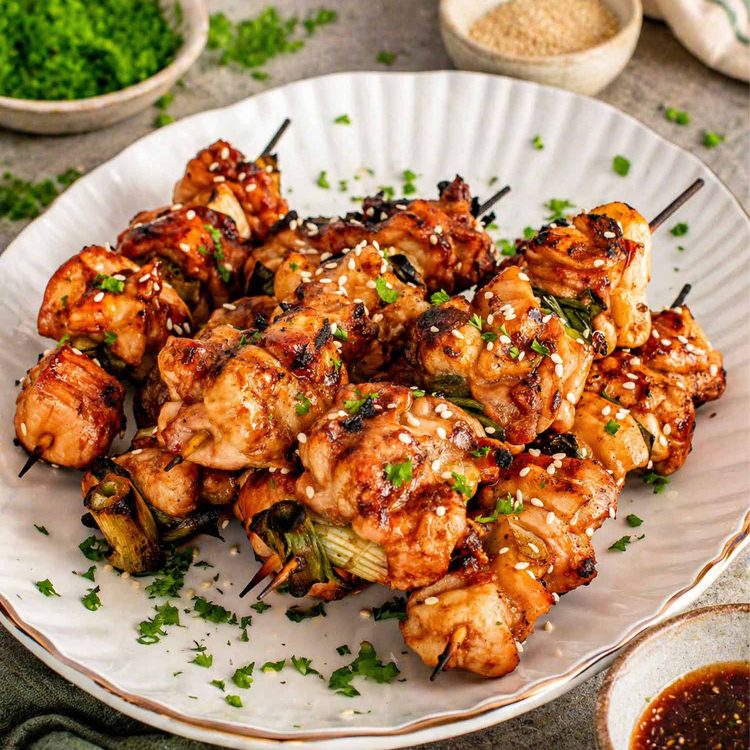
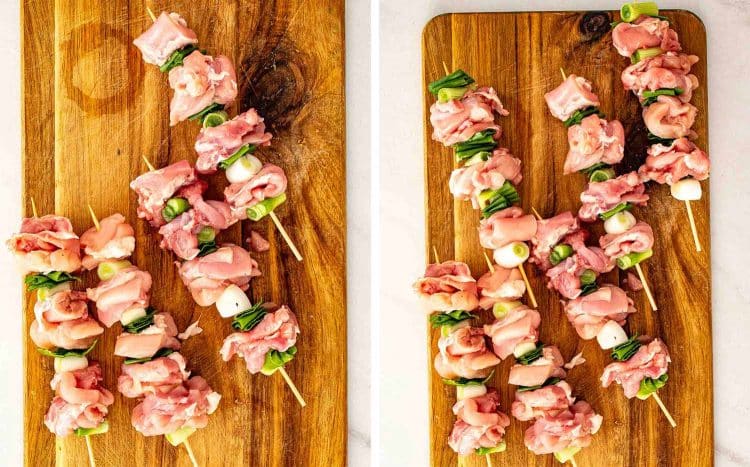
Making these skewers is incredibly simple but there is a method to the madness. Start by simmering your sauce until it is thick enough to be respectable. While that cools down you will want to assemble your skewers. I always alternate one piece of chicken with one piece of green onion. This is not just for looks. The onion juices seep into the meat as they grill and create a flavor profile that is far superior to plain chicken.
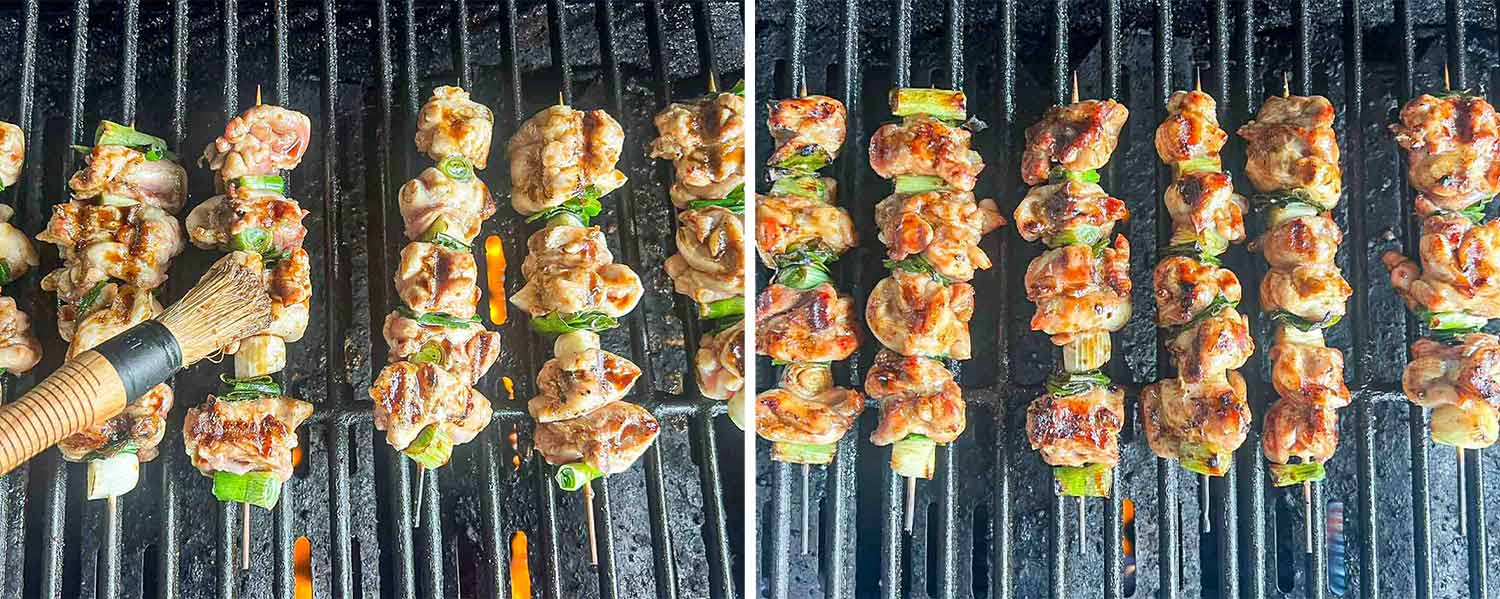
Once your grill is hot and oiled lay the skewers down and let them develop a nice sear before you even think about touching that sauce. If you glaze too early the sugar will burn before the meat is cooked through. We want a beautiful char not a blackened mess.
Flip them every few minutes and brush on that liquid gold until the chicken is fully cooked and shimmering. Give them one last brush of sauce right before they hit the table because we are fancy like that.
Variations and Substitutions
If you want to switch things up you can easily swap the chicken thighs for pork belly or even shrimp. Just keep an eye on your cooking times because shrimp will be done in a heartbeat.
If you need a gluten free version you can use tamari in place of the soy sauce and it will still taste incredible. For those who like a bit of heat feel free to sprinkle some shichimi togarashi or red pepper flakes over the top right before serving.
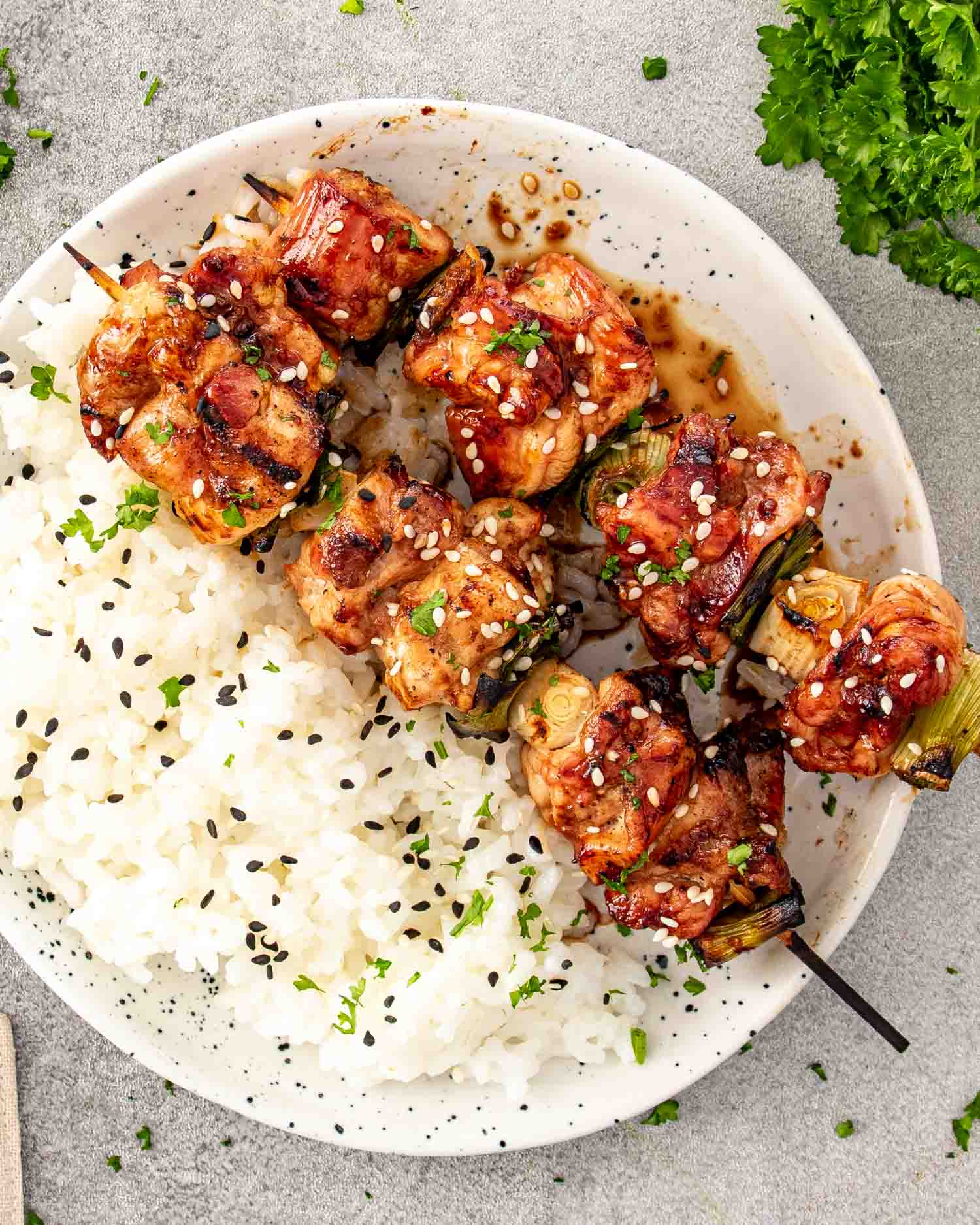
What to Serve with Chicken Yakitori
You have done the hard work of grilling the perfect skewers so do not ruin the vibe with a boring side dish. Keep it simple and let the chicken stay the star of the show.
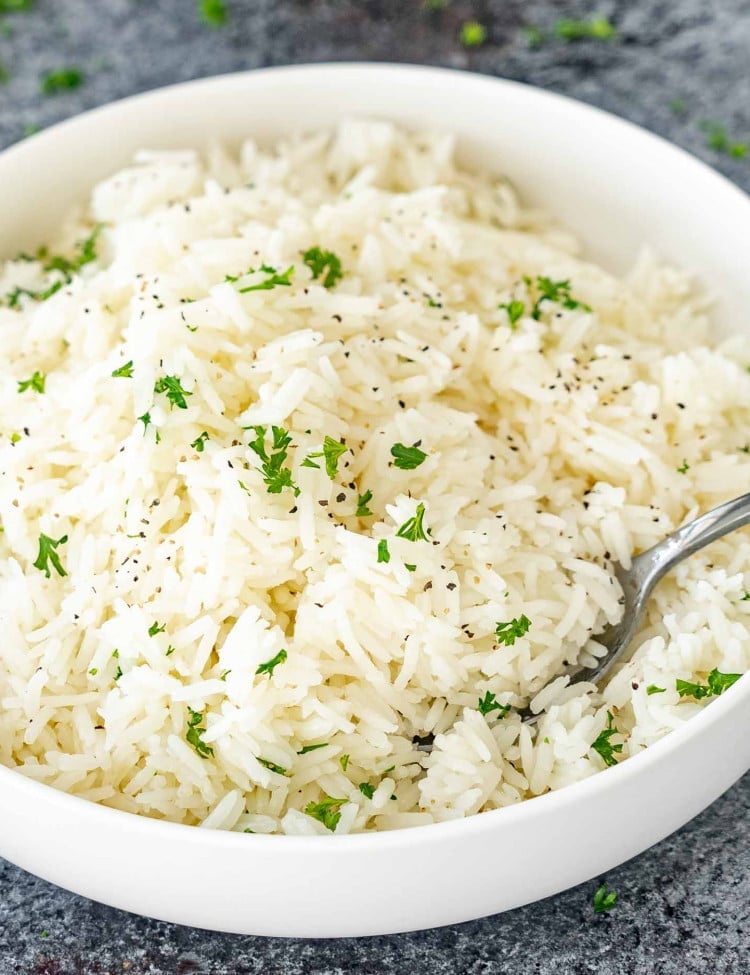
Jasmine Rice
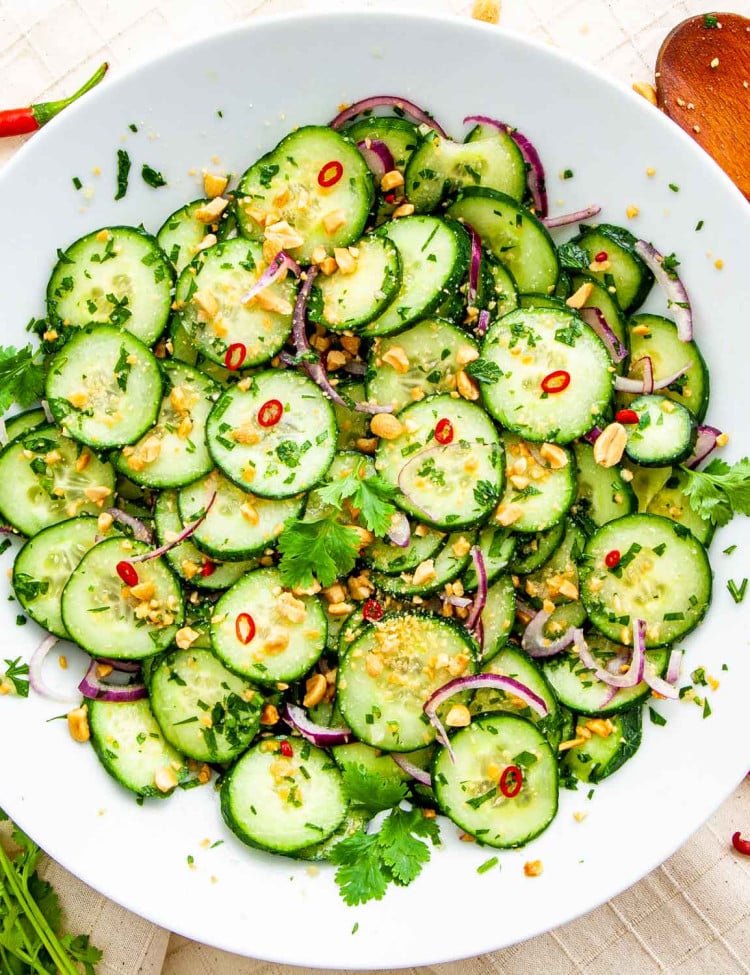
Thai Cucumber Salad
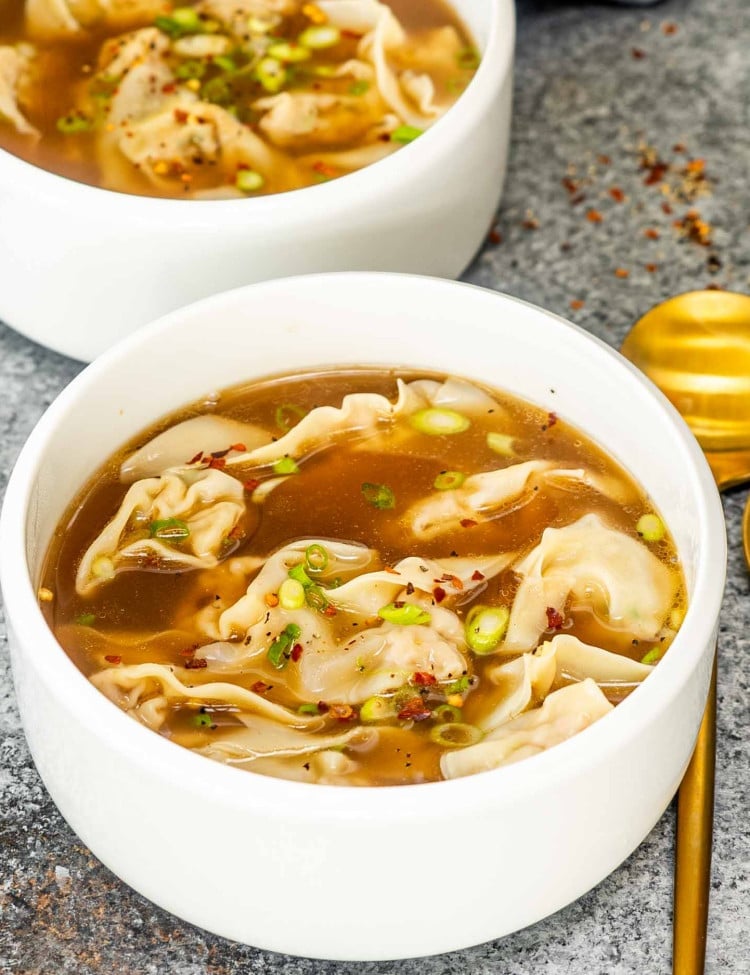
Wonton Soup

Gin and Tonic
Storage and Reheating
Leftovers are a rare sight in my house but if you find yourself with extra skewers you need to treat them right. We are not in the business of wasting good chicken.
- In the Fridge: Slide your leftovers into an airtight container once they have cooled down. They will stay fresh and delicious for up to 3 days. Keep them in the sauce so the meat stays as juicy as possible while it sits.
- In the Freezer: You can freeze these skewers for up to 2 months. Wrap them tightly in plastic wrap and then tuck them into a freezer bag to prevent freezer burn. When you are ready to eat just let them thaw in the fridge overnight before you try to reheat them.
- Make Ahead Instructions: If you want to be the hero of your future self you can prep the skewers and the sauce a day in advance. Store them separately in the fridge. Do not marinate the chicken in the sauce overnight or the salt will change the texture of the meat. Just assemble and cook when you are ready for a ten minute dinner.
- The Best Way to Reheat: Avoid the oven at all costs unless you enjoy eating wood. For the best results toss the chicken back into a hot skillet for a minute or two with a tiny splash of water to create some steam. If you must use the microwave keep it brief and cover the plate with a damp paper towel. Your goal is to warm the chicken through without cooking it a second time.
Try These Recipes Next
- Japanese Pork Cutlet Sandwich • Katsu Sando
- Sushi Bowls
- Teriyaki Chicken Meatballs
- Air Fryer Chicken Katsu With Tonkatsu Sauce
- Beef Teriyaki Skewers
Before You Begin! If you make this, please leave a review and rating letting us know how you liked this recipe! This helps our business thrive & continue providing free recipes.
Chicken Yakitori
Ingredients
For the sauce (tare):
- ½ cup soy sauce (low sodium)
- ¼ cup mirin
- ¼ cup sake
- 2 tablespoons brown sugar
- 1 clove garlic (minced)
- 1 teaspoon fresh ginger (grated)
For the skewers:
- 1½ pounds boneless skinless chicken thighs (cut into 1 inch pieces)
- 3 green onions (cut into 1½ inch pieces)
- Wooden skewers (soaked in water for 30 minutes)
Before You Begin! If you make this, please leave a review and rating letting us know how you liked this recipe! This helps our business thrive & continue providing free recipes.
Instructions
- In a small saucepan, combine ½ cup soy sauce, ¼ cup mirin, ¼ cup sake, 2 tablespoons brown sugar, 1 minced garlic clove, and 1 teaspoon grated ginger. Bring to a simmer over medium heat and cook for 5 minutes until slightly thickened. Set aside.
- Thread 1½ pounds chicken thigh pieces and 3 chopped green onions onto soaked skewers, alternating chicken and green onion.
- Preheat a grill pan or outdoor grill over medium high heat.
- Place the skewers on the grill and cook for 2 to 3 minutes, then brush with some of the prepared sauce. Turn the skewers and cook for another 2 to 3 minutes, then brush again with the sauce.
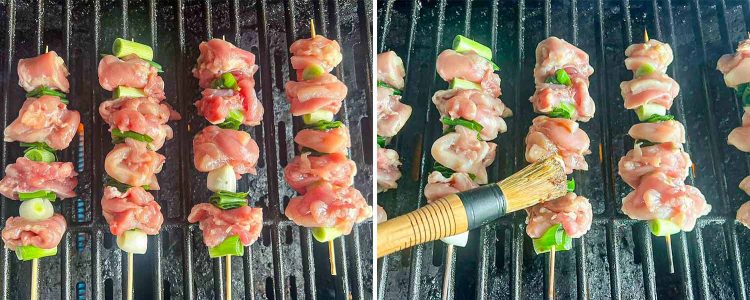
- Continue cooking and turning the skewers for a total of 8 to 10 minutes, brushing with sauce each time, until the chicken is fully cooked and slightly caramelized.
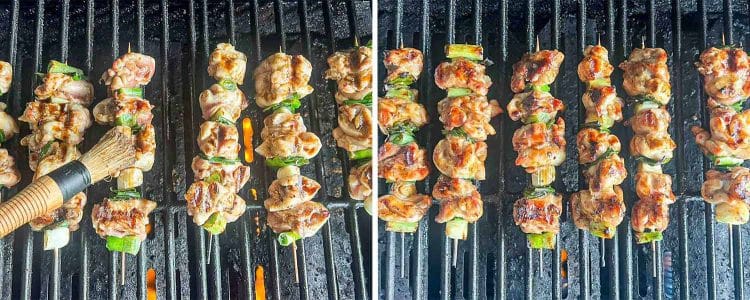
- Remove from grill and brush one last time with the sauce before serving.
Notes
- The Skewer Secret: If you are using wooden skewers please do not ignore my warning about soaking them. Put them in a tray of water for at least 30 minutes before you start threading the meat. If you skip this the wood will catch fire and your dinner will taste like a literal campfire.
- Chicken Choice: I will say it one more time for the people in the back. Use chicken thighs. Chicken breasts are too lean and will turn into dry sponges over high heat. Thighs have the fat content needed to stay tender and stand up to the intense caramelization of the sauce.
- Sauce Safety: When you are brushing the sauce onto the raw or partially cooked chicken the brush becomes contaminated. If you want extra sauce for dipping at the table make sure you set aside a small portion of the clean glaze before you start the grilling process.
- Grill Temperature: You want a medium high heat. If the grill is too cold the chicken will steam and stick to the grates. If it is too hot the sauce will burn into a bitter crust before the chicken is cooked through. Look for that perfect sizzle when the meat hits the pan.
Nutrition Information
Notice: Nutrition is auto-calculated for your convenience. Where relevant, we recommend using your own nutrition calculations.