Scotch Eggs
This post may contain affiliate links. Please read my disclosure policy.


Scotch Eggs always look impressive, but they’re surprisingly simple to make at home. A perfectly cooked egg wrapped in sausage, coated in breadcrumbs, and fried until crisp and golden. This is my easy version that skips the fuss but keeps all the crunch.


Scotch Eggs Are Easier Than You Think
The first time I made Scotch Eggs at home, I expected chaos. Hot oil, splitting sausage, eggs rolling around like they had their own plans. Instead, once I understood the steps, it all made sense. Wrap, coat, fry. That’s it.
What makes these special is the contrast. Crisp, golden coating on the outside. Savory sausage in the middle. And then that egg at the center, whether you like it soft and jammy or fully set. When you slice one in half and see that clean cross section, it feels far more complicated than it actually is. And that’s my favorite kind of cooking.
Why You’ll Love These Scotch Eggs
- They look impressive but the steps are straightforward. Once you’ve wrapped one, you’ve got it.
- The texture contrast is unbeatable. Crisp coating, savory sausage, tender egg in the center.
- You can control the yolk. Soft and jammy or fully set, it’s up to you.
- They work for more than one occasion. Brunch, party appetizer, picnic, or just because you feel like frying something.
- They reheat surprisingly well, which makes them great for prepping ahead.

Key Ingredients & Tips
- Eggs: Decide early if you want soft centers or fully set. For jammy yolks, simmer about 4 to 5 minutes. For fully cooked, go closer to 7 to 8 minutes. Cool them immediately in ice water so they stop cooking and peel cleanly.
- Sausage: Use good quality breakfast sausage with enough fat to stay juicy. If it’s too lean, the coating can dry out. Flatten it into thin, even patties so it wraps smoothly around the egg.
- Seal It Well: Press the sausage firmly around the egg and smooth out any seams. If there are gaps, the egg can peek through while frying and cause splitting.
- Breading: Season the flour. Don’t skip that step. The flour helps the egg wash stick, and the breadcrumbs create that crisp exterior. Make sure each layer fully coats the egg.
- Oil Temperature: Keep the oil around 350°F (175°C). Too hot and the outside browns before the sausage cooks through. Too cool and they absorb oil instead of crisping.
- Don’t Rush The Fry: Turn them gently while frying so they brown evenly. They should be deep golden, not pale and not dark brown.
- Let Them Rest: Give them a few minutes after frying before slicing. The sausage firms up slightly and the yolk settles so you get a clean cut.

Place the eggs in a saucepan and cover with cold water. Bring to a boil, then lower the heat and simmer. Four to 5 minutes for soft centers, 7 to 8 minutes for fully set. Transfer them straight into ice water so they stop cooking and peel easily. Once cooled, peel gently and pat them dry.

Season the flour with salt, pepper, and paprika. Set up your breading station with flour, beaten eggs, and breadcrumbs. Having everything ready makes the wrapping and coating much smoother.

Divide the sausage into equal portions and flatten each into a thin patty. Place a peeled egg in the center and gently wrap the sausage around it, pressing to seal and smoothing out the seams. You want the egg fully enclosed with no gaps.

Roll each sausage wrapped egg in the seasoned flour, dip into the beaten eggs, then coat evenly with breadcrumbs. Make sure the coating is complete so you get that crisp outer layer.

Heat about 2 inches of oil to 350°F (175°C). Carefully lower the Scotch Eggs into the oil and fry for about 5 to 6 minutes, turning occasionally so they brown evenly. They should come out deep golden and crisp.
Transfer to a rack or paper towels to drain. Let them rest a few minutes before slicing so everything sets up nicely inside.
Common Mistakes To Avoid
- Not sealing the sausage tightly enough: If there are gaps or thin spots, the egg can peek through while frying. Press and smooth the sausage firmly so it’s completely sealed.
- Sausage layer too thick: If the sausage is bulky, the outside will brown before the inside cooks through. Flatten it thin and even so it cooks properly in the time it takes to crisp.
- Oil too hot: If the oil is hotter than 350°F (175°C), the coating will brown too fast and the sausage won’t be cooked in the center. Keep the temperature steady.
- Oil too cool: If the oil isn’t hot enough, the coating absorbs oil instead of crisping. That’s how you end up with greasy Scotch Eggs.
- Skipping the flour step: The flour helps everything stick. Without it, the coating can slide off while frying.
- Slicing too soon: If you cut into them immediately, the sausage hasn’t had time to settle. Give them a few minutes so you get that clean cross section.

How To Serve Scotch Eggs
Scotch Eggs are best served slightly warm or at room temperature. That’s when the coating stays crisp and the sausage has time to settle, especially if you’re going for that clean slice through the center. Here are some sides you can serve them with:

Arugula Salad
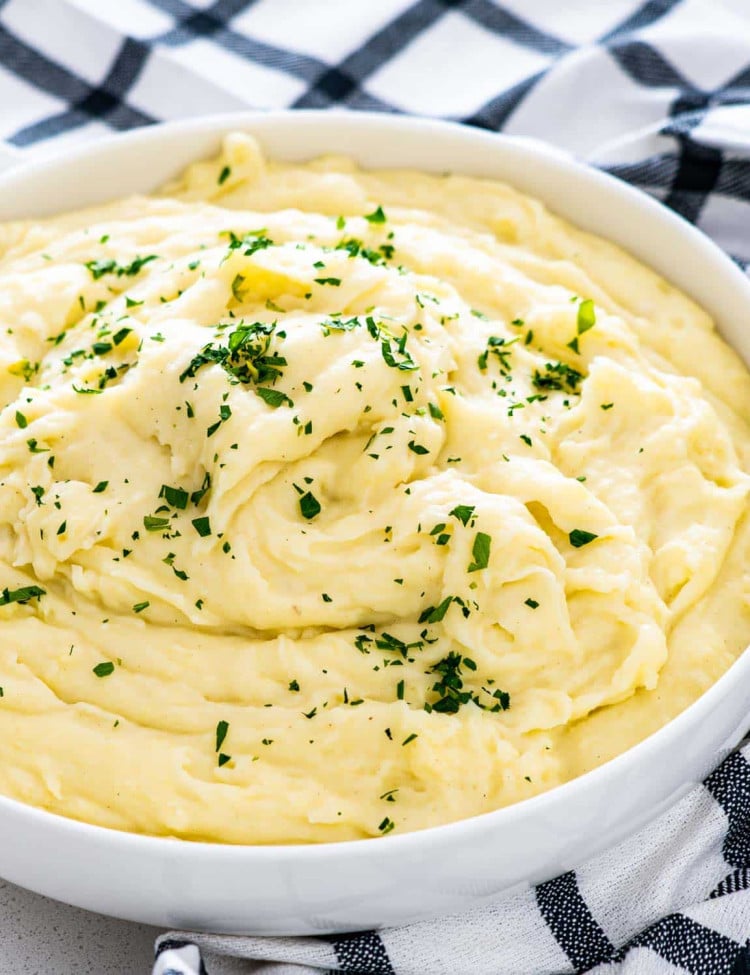
Mashed Potatoes

Easy Homemade Coleslaw Recipe

Roasted Garlic Aioli
Make It Your Own
- Switch up the sausage. Breakfast sausage works beautifully, but Italian sausage adds more herbs and a little extra flavor. You can even use a spicy sausage if you want some heat.
- Add herbs to the sausage. A little chopped parsley, thyme, or chives mixed into the meat gives it a fresh edge without changing the structure.
- Play with the coating. Panko breadcrumbs will give you a lighter, crunchier exterior. You can also mix a little grated Parmesan into the breadcrumbs for extra flavor.
- Try baking or air frying. If you prefer less oil, bake at 400°F (200°C) for about 25 to 30 minutes, or air fry at 375°F (190°C) for 12 to 15 minutes, turning halfway through. The texture is slightly different but still crisp.
- Make them mini. Use quail eggs and smaller portions of sausage for bite sized versions. Perfect for appetizers.
Can Scotch Eggs be made ahead of time?
Yes. You can prepare and fry them earlier in the day and serve at room temperature, which is actually traditional. If you prefer them warm, reheat in a 350°F (175°C) oven for about 10 minutes so the coating stays crisp.
Are Scotch Eggs served hot or cold?
Both. They’re often served at room temperature in the UK, especially for picnics or pub style lunches. At home, I like them slightly warm so the sausage is tender and the coating stays crisp.
Why did my Scotch Eggs split open while frying?
Usually it’s one of three things: the sausage layer was too thin in spots, it wasn’t sealed tightly, or the oil was too hot. Smooth out the seams and keep the oil steady at 350°F (175°C).
How do I keep the yolk soft in Scotch Eggs?
Boil the eggs for about 4 to 5 minutes, cool them immediately in ice water, and fry just until the sausage is cooked through. The shorter boil gives you that jammy center.
How do I reheat Scotch Eggs without drying them out?
Reheat in a 325°F to 350°F oven until warmed through. Avoid the microwave if you can, since it softens the coating.
Can I freeze Scotch Eggs?
Yes. Let them cool completely, wrap tightly, and freeze for up to 2 months. Thaw in the fridge overnight and reheat in the oven to bring back some crispness.

More Delicious British Recipes
- Sticky Toffee Pudding
- Fish and Chips
- Bakewell Tart
- Beef Wellington
- Toad In The Hole
- Huevos Rancheros
Before You Begin! If you make this, please leave a review and rating letting us know how you liked this recipe! This helps our business thrive & continue providing free recipes.

Scotch Eggs
Video
Ingredients
- 4 large eggs
- ½ cup all-purpose flour
- 1 teaspoon salt
- ½ teaspoon black pepper
- ½ teaspoon sweet paprika
- 2 large eggs (beaten)
- 1 cup breadcrumbs
- 1 pound breakfast sausage
- vegetable oil (for frying)
Before You Begin! If you make this, please leave a review and rating letting us know how you liked this recipe! This helps our business thrive & continue providing free recipes.
Instructions
- Place the 4 large eggs in a saucepan and cover them with cold water. Bring to a boil, then reduce the heat and simmer for 4-5 minutes for soft-boiled or 7-8 minutes for hard-boiled. Transfer the eggs to a bowl of ice water to cool. Once cool, peel the eggs and set them aside.

- In a medium bowl, season the flour with salt, black pepper, and paprika. Set up a breading station with three shallow bowls: one with the seasoned flour, one with the beaten eggs, and one with the breadcrumbs.
- Divide the breakfast sausage into 4 equal portions. Flatten each portion into a thin patty. Place a peeled egg in the center of each patty and wrap the sausage around the egg, pressing to seal completely.
- Roll each sausage-wrapped egg in the seasoned flour, then dip it into the beaten eggs, and finally coat it with breadcrumbs. Ensure each egg is fully covered.

- Heat about 2 inches of vegetable oil in a deep saucepan or skillet to 350°F (175°C). Carefully lower each Scotch egg into the hot oil and fry for about 5-6 minutes, turning occasionally, until the sausage is cooked through and the coating is golden brown.
- Use a slotted spoon to transfer the Scotch eggs to a paper towel-lined plate to drain any excess oil. Allow them to cool slightly before serving.


Notes
- Slice and serve after resting a few minutes so the sausage firms up slightly for a clean cut.
- Keep oil steady at 350°F (175°C). Too hot and the outside browns before the inside cooks through.
- Flatten the sausage evenly so it wraps smoothly around the egg without thick spots.
- Panko breadcrumbs create a lighter, crispier exterior if you prefer extra crunch.
- Store leftovers in the fridge for up to 3 days. Reheat in a 350°F (175°C) oven to maintain crispness.
Nutrition Information
Notice: Nutrition is auto-calculated for your convenience. Where relevant, we recommend using your own nutrition calculations.