Roasted Baby Potatoes
This post may contain affiliate links. Please read my disclosure policy.
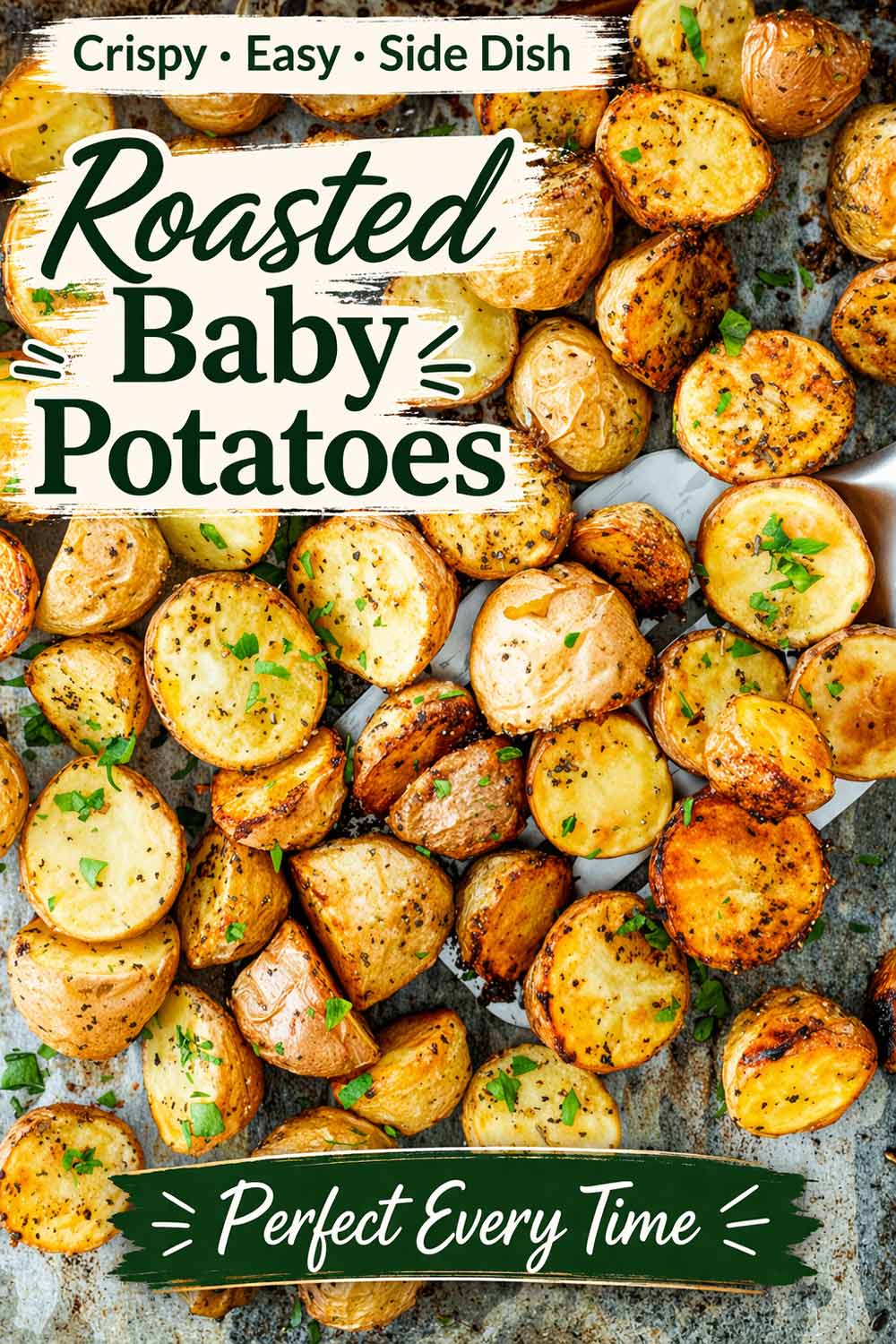
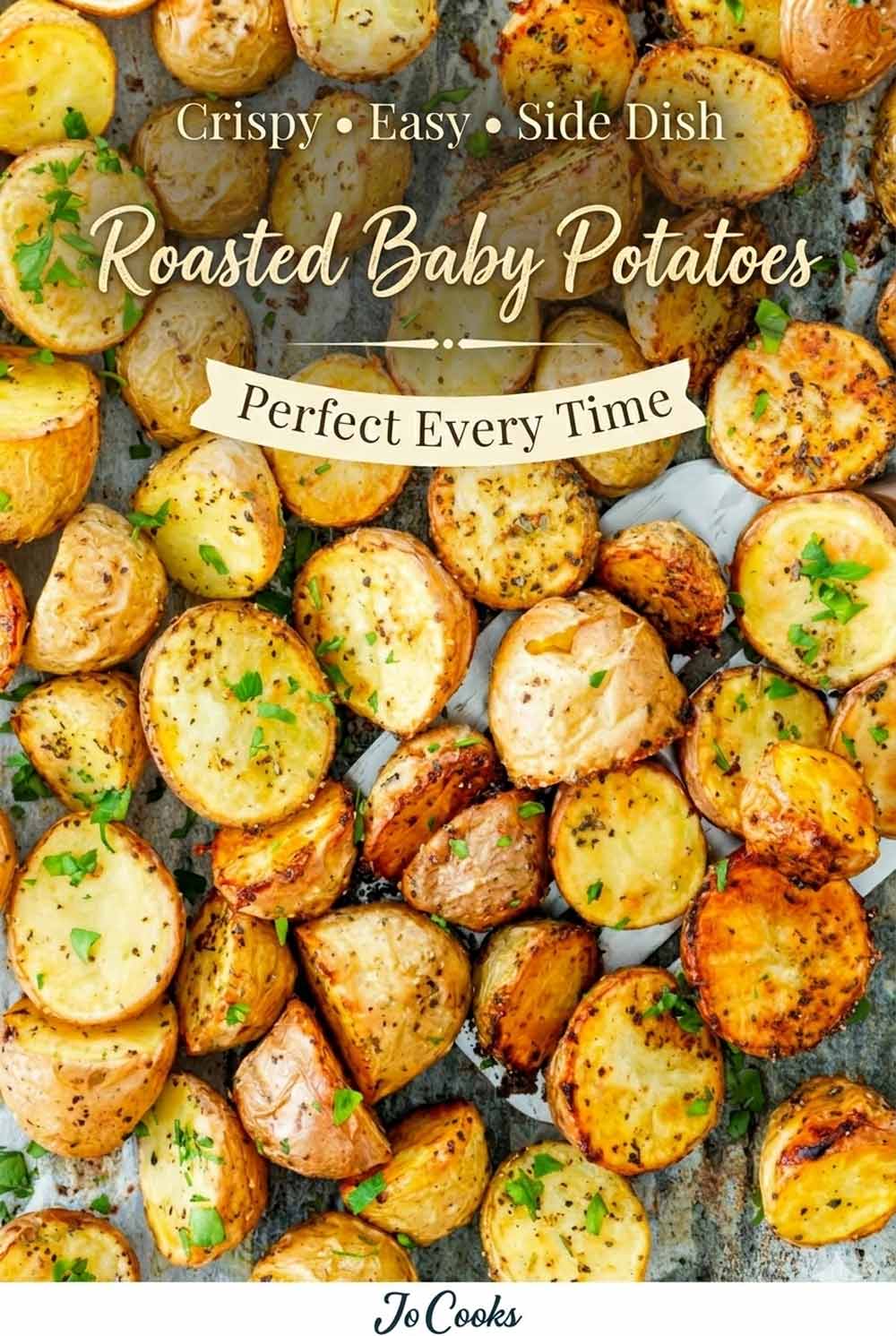
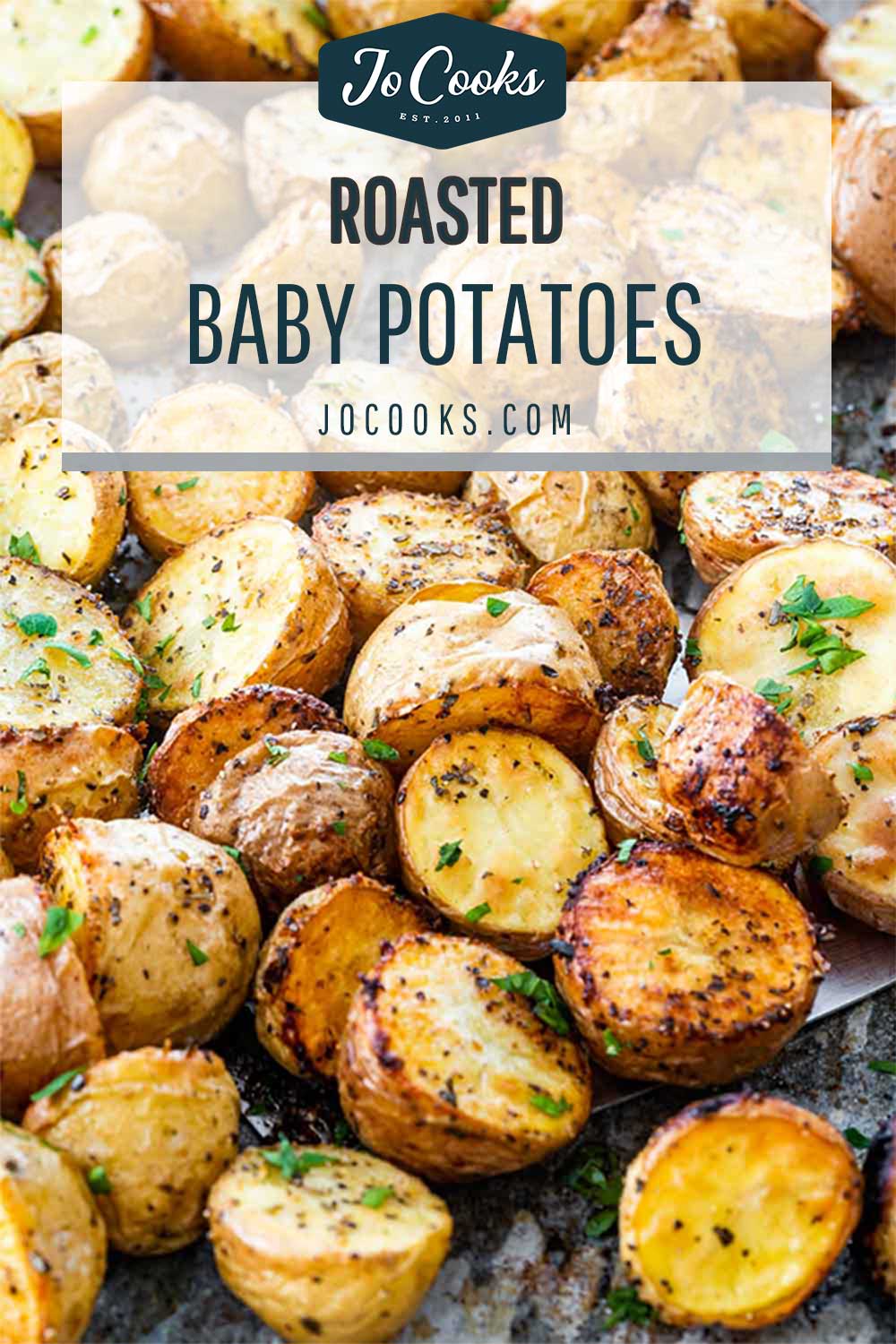
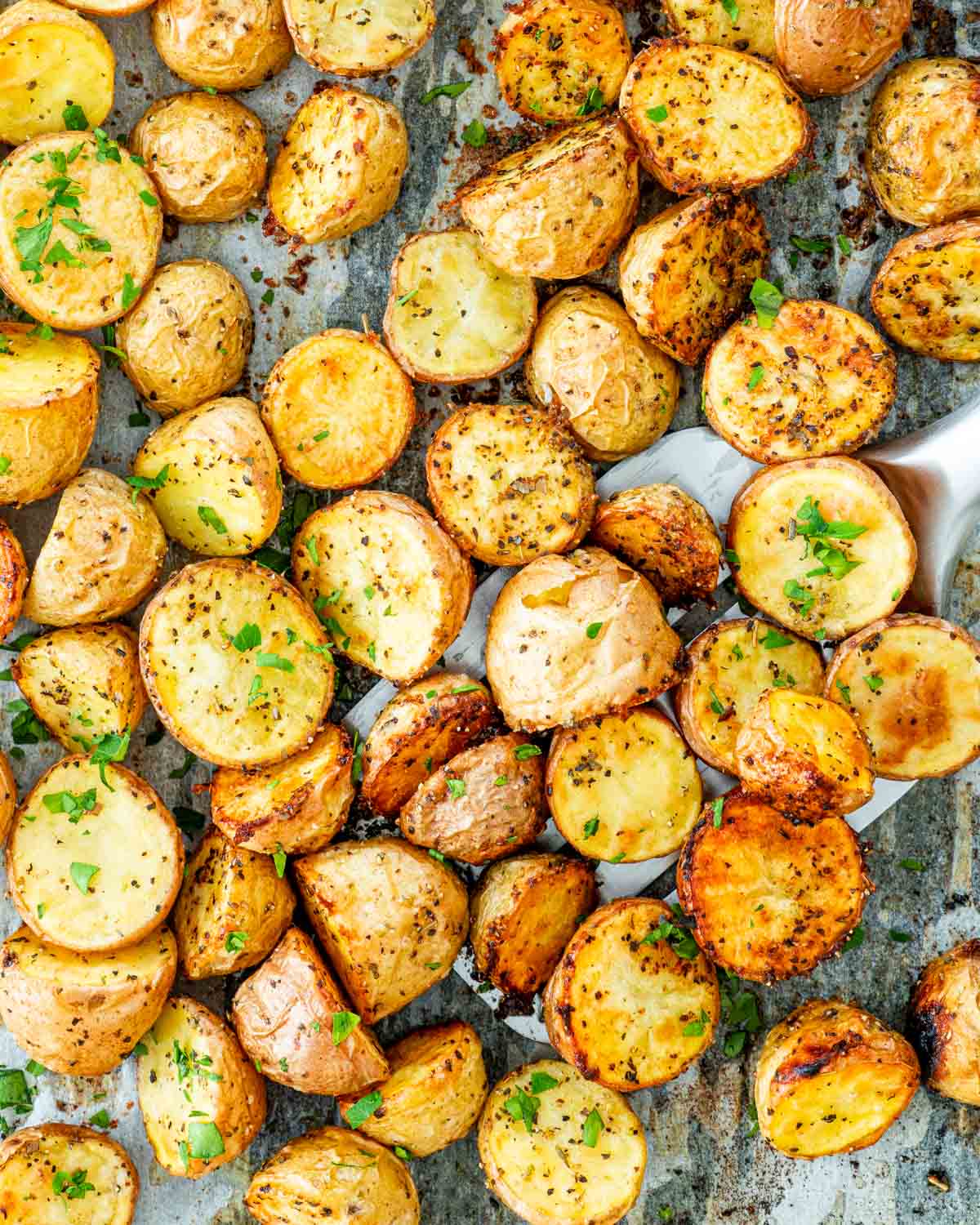
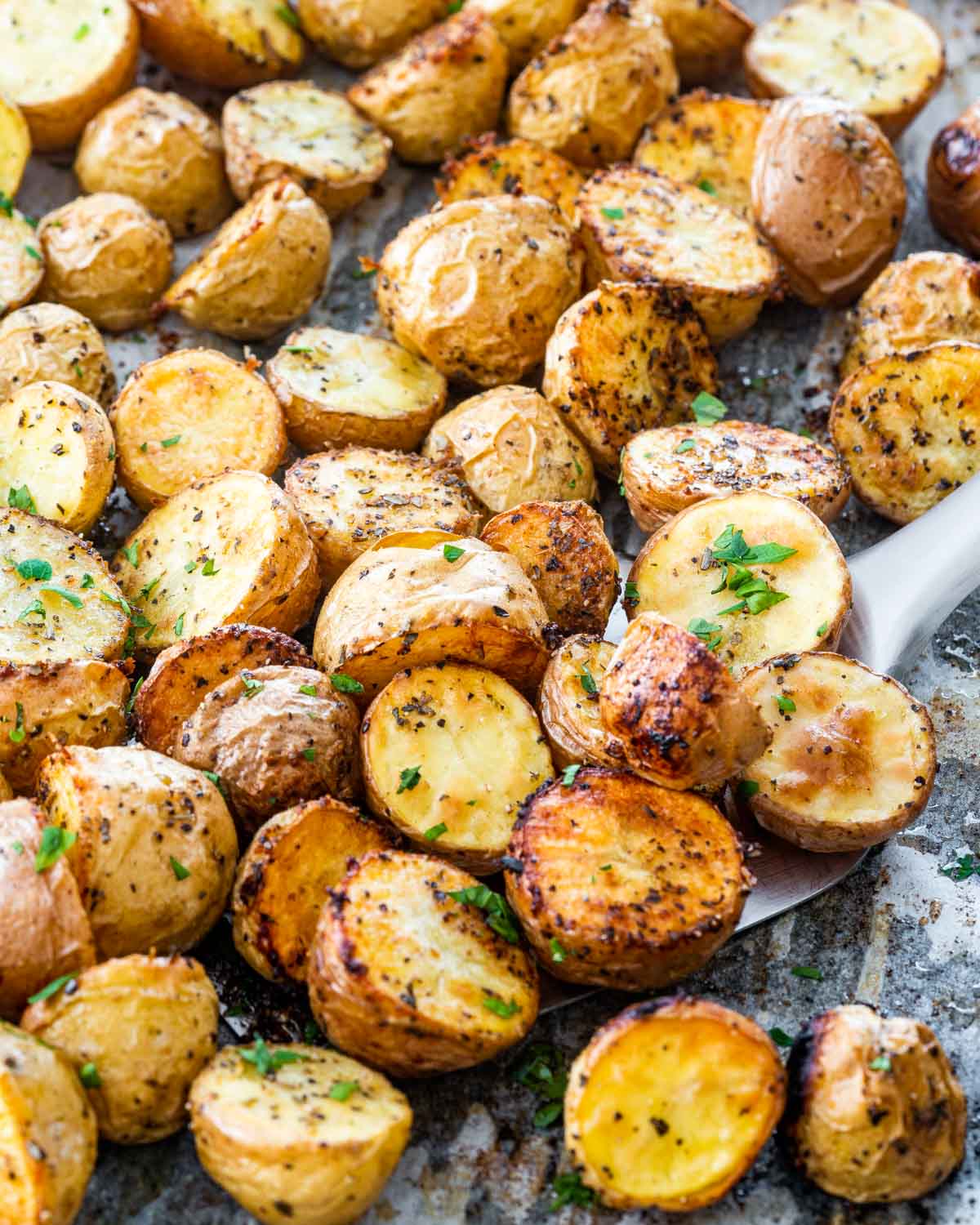
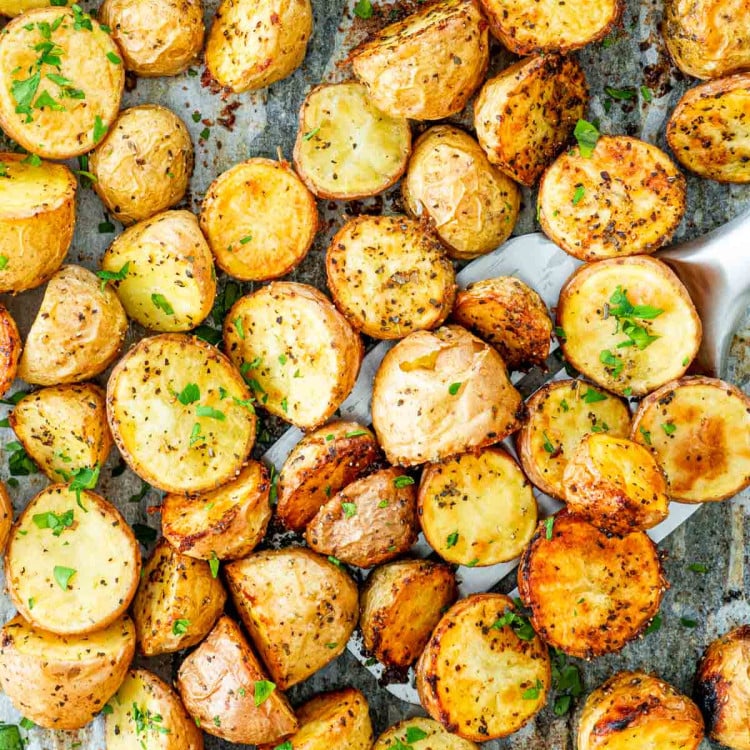
Roasted Baby Potatoes should be crispy, golden, and full of flavor, not soft, pale, and a little disappointing. Most soggy potato problems come down to a few simple mistakes like overcrowding the pan or roasting at too low a temperature. The good news is once you understand how heat, oil, and spacing work together, you will get crispy roasted baby potatoes every single time.

The Secret To Crispy Roasted Baby Potatoes
Roasted baby potatoes are one of those side dishes that go with almost anything. Chicken, steak, pork, fish, even just a fried egg on top. They are simple, inexpensive, and always a crowd favorite. The trick is getting that perfect texture where the outside is crispy and the inside is soft and creamy.
Over the years I’ve learned that great roasted potatoes are not about complicated seasoning or special ingredients. It really comes down to high heat, enough oil, and making sure the potatoes have space on the pan so they roast instead of steam. Once you get that right, you can season them any way you like and they will turn out great every time.
The Method Behind Crispy Roasted Baby Potatoes
Roasting potatoes is actually really simple, but crispy potatoes come down to a few small things that make a big difference. The main ones are high heat, enough oil, and not crowding the pan.
Baby potatoes are great for roasting because they stay creamy inside and the skins get nice and crispy. Cutting them in half also gives you more flat sides, which means more of those golden, crispy edges.
The other big thing is space. If the potatoes are piled on top of each other, they steam instead of roast and you end up with soft potatoes instead of crispy ones. Spread them out in a single layer, use a hot oven, and you’re pretty much guaranteed good roasted potatoes every time.
Best Potatoes For Roasting
You can roast almost any potato, but some definitely work better than others.
- Baby potatoes are one of my favorites for roasting because they have thin skins and a creamy texture inside. They get crispy on the outside but stay soft and tender in the middle, which is exactly what you want from roasted potatoes.
- Yukon Gold potatoes are also great for roasting. They have a slightly buttery texture and crisp up really nicely in the oven.
- Red potatoes work well too, especially if you like a firmer potato that holds its shape.
- Russet potatoes can be roasted, but they are more starchy and tend to be a bit fluffier inside. They work better if you cut them into chunks and roast them longer.
If you’re not sure which potatoes to use, baby potatoes or Yukon Gold are always a safe choice for roasted potatoes.
Key Ingredients and Tips
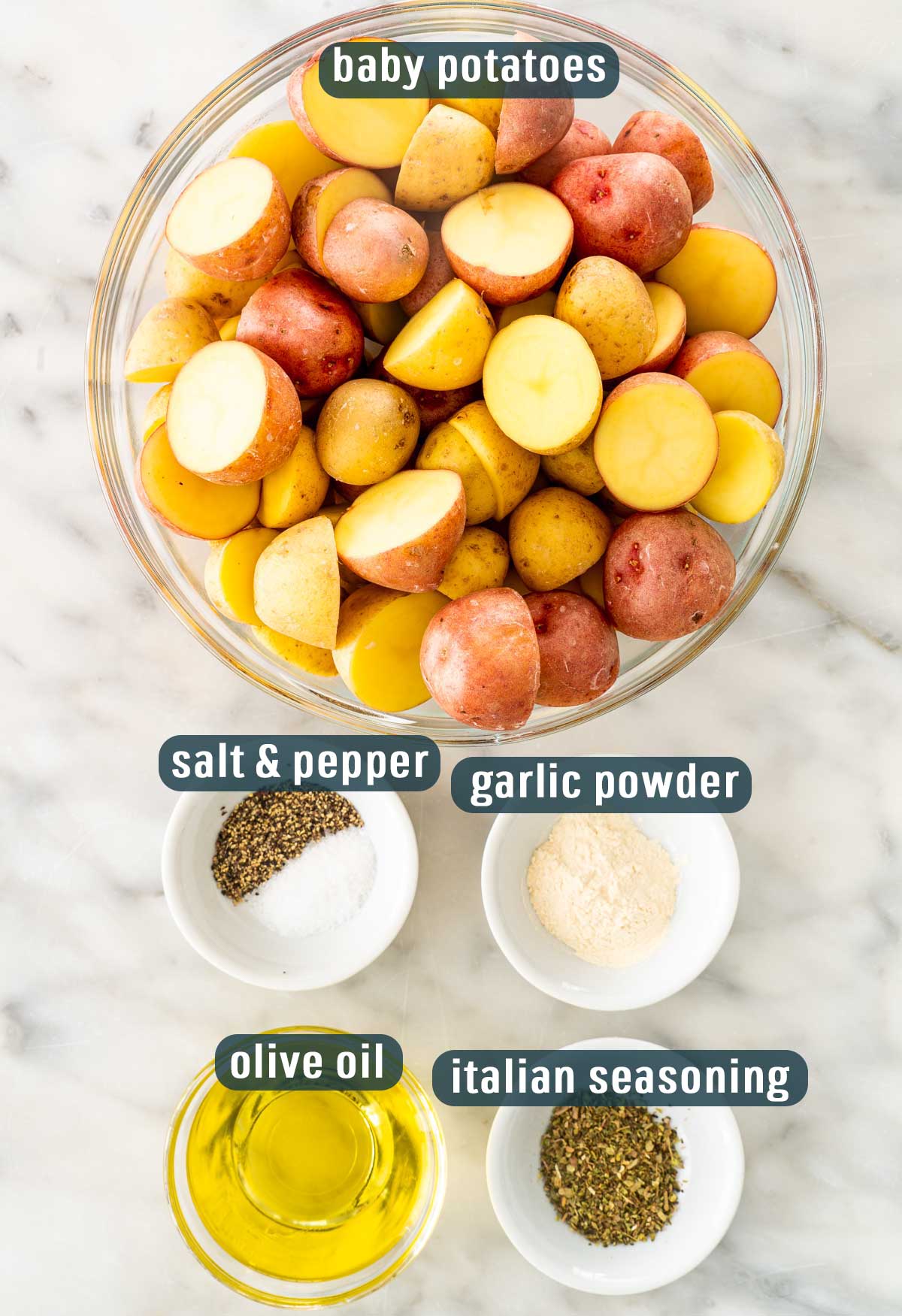
- Baby potatoes: Try to use potatoes that are roughly the same size so they cook evenly. If some are much bigger, just cut them into smaller pieces.
- Olive oil: Don’t be shy with the oil. The oil helps the potatoes crisp up and brown in the oven.
- Salt: Potatoes need salt. If roasted potatoes taste bland, it’s almost always because they weren’t salted enough.
- High heat: Roasting at a high temperature is the key to crispy potatoes. Lower temperatures will cook the potatoes, but they won’t get that golden crispy outside.
- Don’t overcrowd the pan: This is probably the most important tip. If the potatoes are too close together, they will steam instead of roast.
- Cut side down: Place the cut side of the potatoes facing down on the pan so they get extra crispy.
How To Season Baby Potatoes
Baby potatoes don’t need anything complicated, but they do need enough seasoning. Potatoes are pretty bland on their own, so salt, oil, and a few simple spices make a big difference.
For a simple roasted baby potato seasoning, I usually use olive oil, salt, pepper, garlic powder, and Italian seasoning. This works with almost any meal and is a good basic starting point.
If you want to change things up, here are some easy seasoning ideas:
- Garlic and Parmesan: Garlic powder, salt, pepper, and grated Parmesan after roasting
- Rosemary and thyme: Olive oil, salt, pepper, fresh or dried rosemary and thyme
- Paprika and garlic: Olive oil, salt, pepper, garlic powder, and paprika
- Spicy potatoes: Olive oil, salt, pepper, chili flakes, and a little smoked paprika
- Lemon and herbs: Roast with salt and pepper, then finish with lemon juice and chopped parsley
The most important thing is to make sure the potatoes are well coated in oil and seasoning so every potato gets flavor and can crisp up properly in the oven.
How To Make Roasted Baby Potatoes
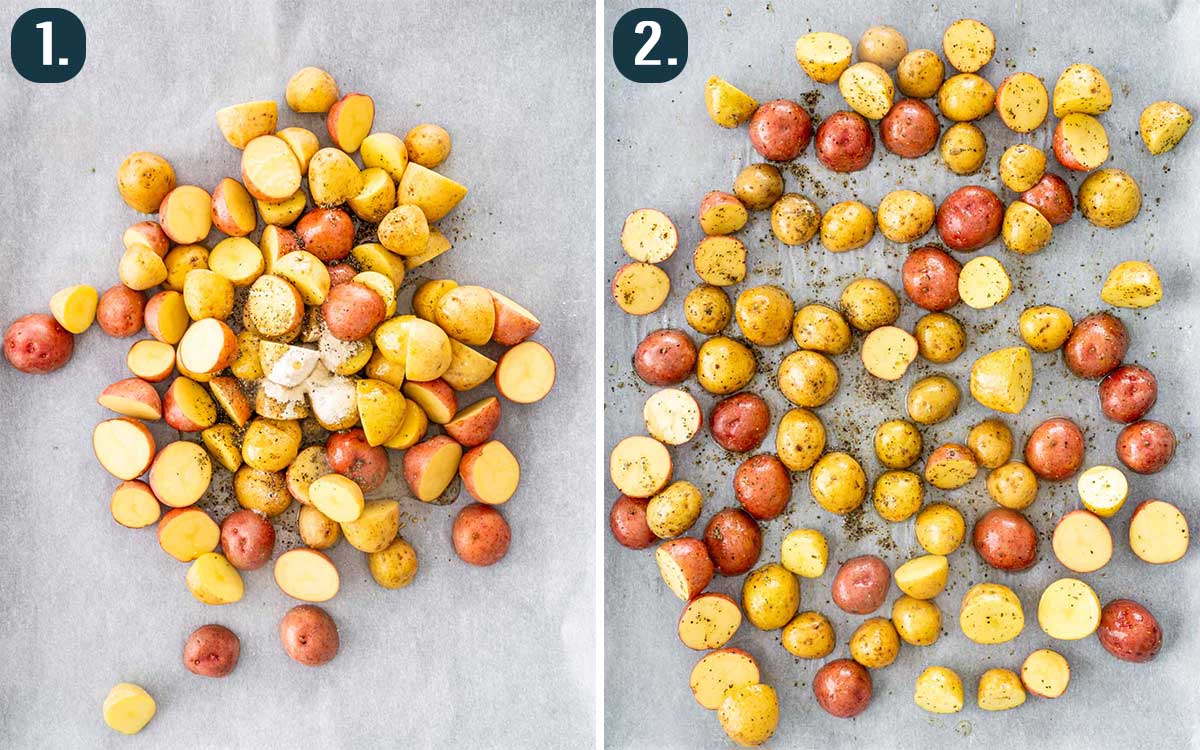
Start by washing the baby potatoes and cutting them in half. If some are bigger than others, just cut those into quarters so everything cooks at the same time.
Toss the potatoes on a baking sheet with olive oil, salt, pepper, garlic powder, and Italian seasoning. Make sure everything is well coated. This is not the time to be shy with the oil or the salt because potatoes need both for flavor and for crisping up.
Spread the potatoes out in a single layer and place them cut side down. This helps them get those nice golden crispy edges.
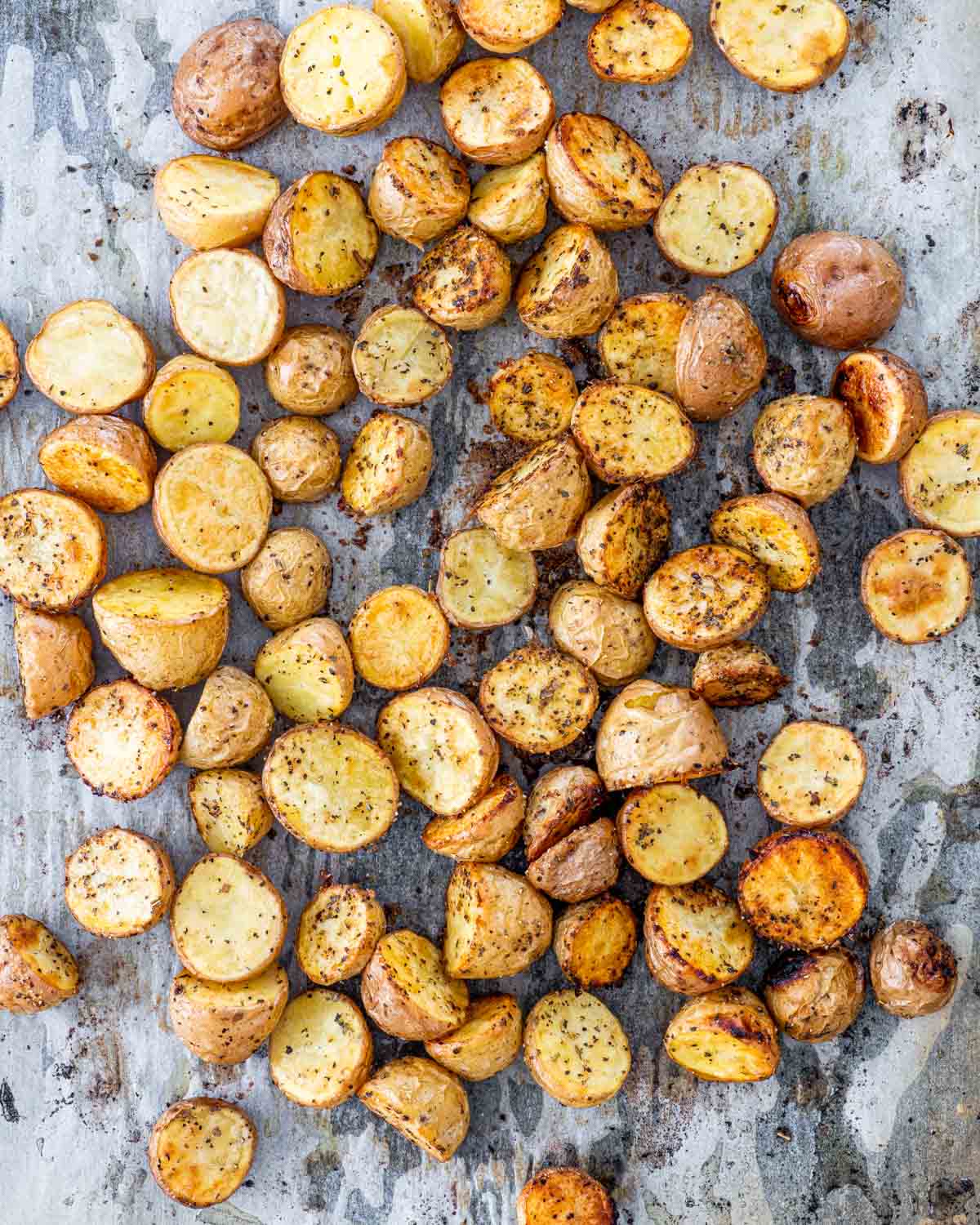
Then just roast them in a hot oven until they’re crispy on the outside and soft in the middle. That’s really it. Simple ingredients, high heat, and a bit of space on the pan is all you need for really good roasted potatoes.
How Long To Roast Baby Potatoes
Baby potatoes usually take about 20 to 25 minutes to roast at 450°F (230°C), depending on their size. Smaller potatoes cook faster, and larger ones might take a few extra minutes.
The easiest way to tell if they’re done is to pierce one with a fork. If the fork goes in easily and the outside is golden and crispy, they’re ready.
If you cut the potatoes bigger, they will take longer to cook. Now if you cut them smaller, they will cook faster and get crispier because there is more surface area.
A good rule to remember is:
- High heat = crispy outside
- Small pieces = faster cooking
- More space on the pan = better browning
Once you make roasted potatoes a few times, you’ll start to get a feel for when they’re done just by looking at the color.
Common Mistakes To Avoid When Roasting Potatoes
- Overcrowding the pan: This is probably the most common mistake. If the potatoes are too close together, they will steam instead of roast and you won’t get those crispy edges. Give them space and use a large baking sheet if needed.
- Not using a hot enough oven: Roasted potatoes need high heat to get crispy. If the oven temperature is too low, the potatoes will cook, but they won’t brown properly.
- Not using enough oil: The oil helps the potatoes crisp up and brown in the oven. If there isn’t enough oil, they can turn out dry and pale instead of golden and crispy.
- Cutting potatoes uneven sizes: If some pieces are much bigger than others, the small ones will burn before the big ones are cooked. Try to keep the pieces roughly the same size so they cook evenly.
- Not placing the cut side down: If you cut the potatoes in half, place the cut side down on the baking sheet. This helps create those nice golden crispy surfaces.
- Stirring them too often: It’s tempting to keep checking and stirring the potatoes, but leaving them alone helps them brown properly.
Frequently Asked Questions
Do I need to boil baby potatoes before roasting?
No, you don’t need to boil baby potatoes before roasting. Because they are small, they cook through in the oven just fine. Boiling is usually only needed for larger potatoes.
Can I roast baby potatoes ahead of time?
Yes, you can roast them ahead of time and reheat them in the oven. They won’t be quite as crispy as fresh, but reheating them at a high temperature helps bring back some of the crispiness.
What oil is best for roasting potatoes?
Olive oil works great, but you can also use avocado oil, canola oil, or sunflower oil. Any oil with a fairly high smoke point will work.
Can I use foil instead of parchment paper?
Yes, but parchment paper helps prevent sticking and makes cleanup easier. Foil works, but the potatoes may stick a bit more.
Should I soak potatoes before roasting?
Soaking is usually done for fries to remove starch. For roasted baby potatoes, it’s not really necessary and I usually skip that step.
Why are my roasted potatoes not crispy?
This usually happens because the pan is overcrowded, the oven temperature is too low, or there isn’t enough oil on the potatoes.
More Related Recipes:
Before You Begin! If you make this, please leave a review and rating letting us know how you liked this recipe! This helps our business thrive & continue providing free recipes.
Roasted Baby Potatoes
Ingredients
- 2 ½ pounds baby potatoes (cleaned and cut in half)
- ¼ cup olive oil
- 1 teaspoon garlic powder
- 1 teaspoon Italian Seasoning
- ½ teaspoon salt (or to taste)
- ½ teaspoon pepper (or to taste)
Before You Begin! If you make this, please leave a review and rating letting us know how you liked this recipe! This helps our business thrive & continue providing free recipes.
Instructions
- Preheat oven to 450°F. Line a baking sheet with parchment paper.
- Place the baby potatoes on the prepared baking sheet and toss well with olive oil and seasonings, until coated on all sides.
- Transfer the baking sheet to the oven and roast for about 20 minutes or until fork tender and crispy on the outside.
Notes
- Try to cut the potatoes into similar sizes so they cook evenly.
- Make sure the potatoes are spread in a single layer on the baking sheet so they roast instead of steam.
- Place the potatoes cut side down on the pan for extra crispy edges.
- Roast at a high temperature for the best color and texture.
- Don’t stir the potatoes too often while roasting or they won’t brown properly.
- Store leftover roasted potatoes in an airtight container in the refrigerator for 3 to 4 days.
- Reheat the potatoes in the oven at 400°F (200°C) for about 10 minutes to help them crisp up again. Microwaving works, but they won’t be crispy.
- You can freeze roasted potatoes, but the texture will be softer after thawing. Reheat them in the oven to bring back some of the crispiness.
Nutrition Information
Notice: Nutrition is auto-calculated for your convenience. Where relevant, we recommend using your own nutrition calculations.