Asparagus Soup
This post may contain affiliate links. Please read my disclosure policy.

If you’ve never had homemade Asparagus Soup, prepare to be pleasantly surprised. It’s silky, creamy, and packed with fresh, springtime flavor. With just a handful of ingredients—asparagus, onion, garlic, broth, and cream—this soup delivers BIG flavor with minimal effort.

And the best part? It’s silky smooth and luxuriously creamy (thanks to a little blending magic), but still light and fresh enough to keep things balanced. I love it as a starter or a simple, cozy meal, and every time I make it, I’m reminded that sometimes, the best recipes are the simplest ones.
Why You’ll Love This Soup
- Creamy without being heavy – Thanks to fresh asparagus and just a splash of cream.
- Quick & easy – From chopping board to bowl in under 30 minutes!
- Versatile – Make it dairy-free, extra thick, or even chilled for a summer version.
- Minimal ingredients, max flavor – A simple recipe that lets the asparagus shine.
Before You Start – Pro Tips for Success
This soup might be simple, but a few smart tricks will take it from good to restaurant-worthy.

Asparagus 101 – Choosing & Prepping
- Thicker vs. thinner spears? Thinner asparagus is tender and slightly sweeter, while thicker spears have a stronger, earthier flavor—both work!
- Trim the woody ends. The bottom 1-2 inches are tough and fibrous—snap or cut them off before cooking.
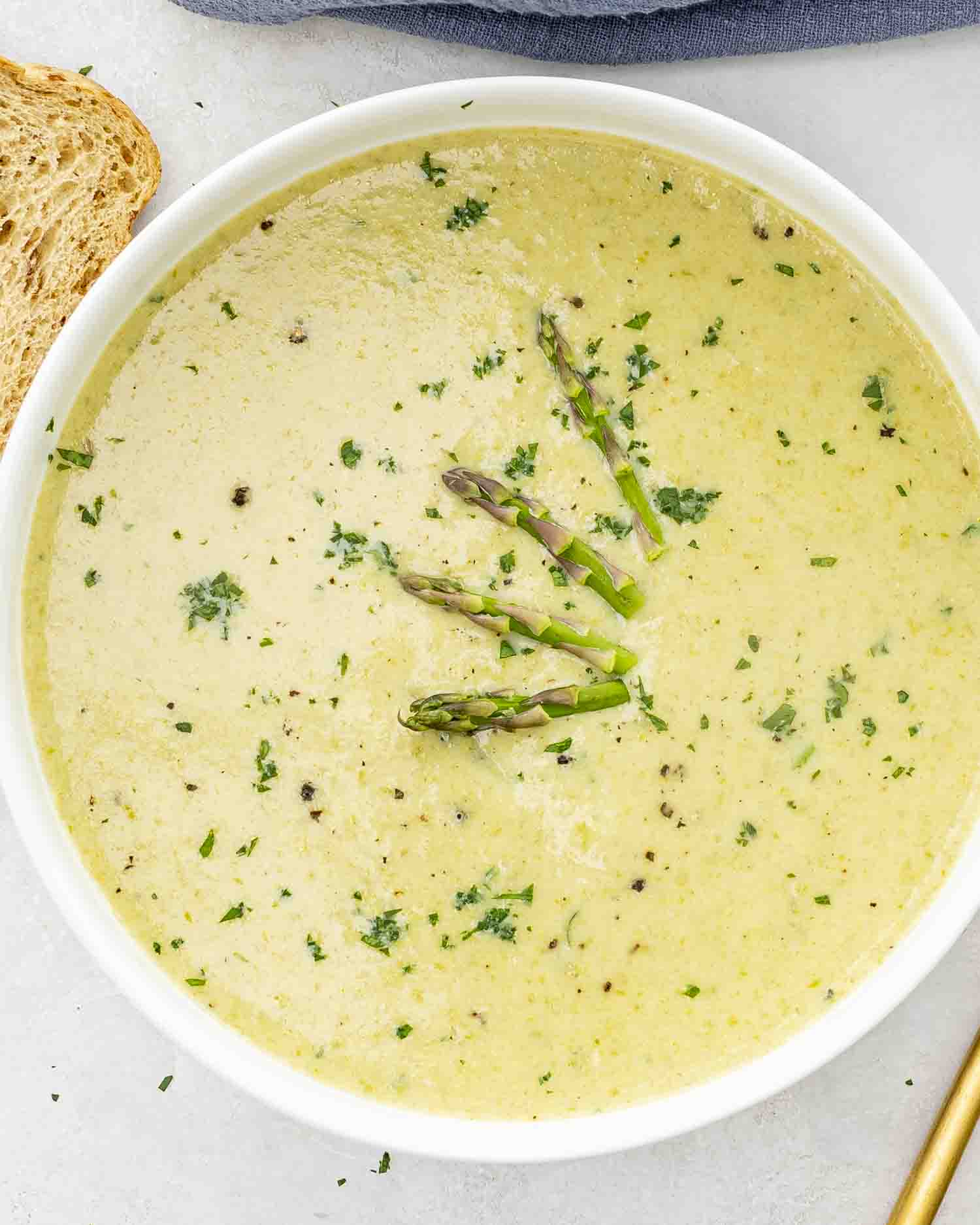
- Want extra fancy garnish? Set aside a few tips before blending for a restaurant-style finish.
Flavor Base – Keep It Simple but Effective
- Sautéing the onion and garlic first adds depth and sweetness to the soup.
- Butter vs. olive oil? Butter gives a richer, creamier flavor, while olive oil keeps it lighter and dairy-free.
- Pro Tip: Don’t rush the onion—it should be soft and translucent, not browned.
Blending for That Silky Texture
- Immersion blender = easiest method—blend directly in the pot for minimal mess.
- Blender = ultra-smooth texture—blend in batches and be careful with hot liquid (steam expands, so don’t overfill!).
- Want extra velvety soup? Strain it through a fine mesh sieve after blending.
Cream or No Cream?
- For a classic creamy soup: Use heavy cream for richness or half-and-half for a lighter version.
- For a dairy-free version: Skip the cream and add a splash of coconut milk or cashew cream.
- Pro Tip: Stir in the cream off the heat to prevent curdling.
Don’t underestimate asparagus soup—it’s silky, fresh, and so much better than anything from a can. With just a few ingredients, the secret to making it next-level good is technique. Get the basics right, and you’ll have a soup that’s vibrant, creamy, and packed with flavor—without being heavy.
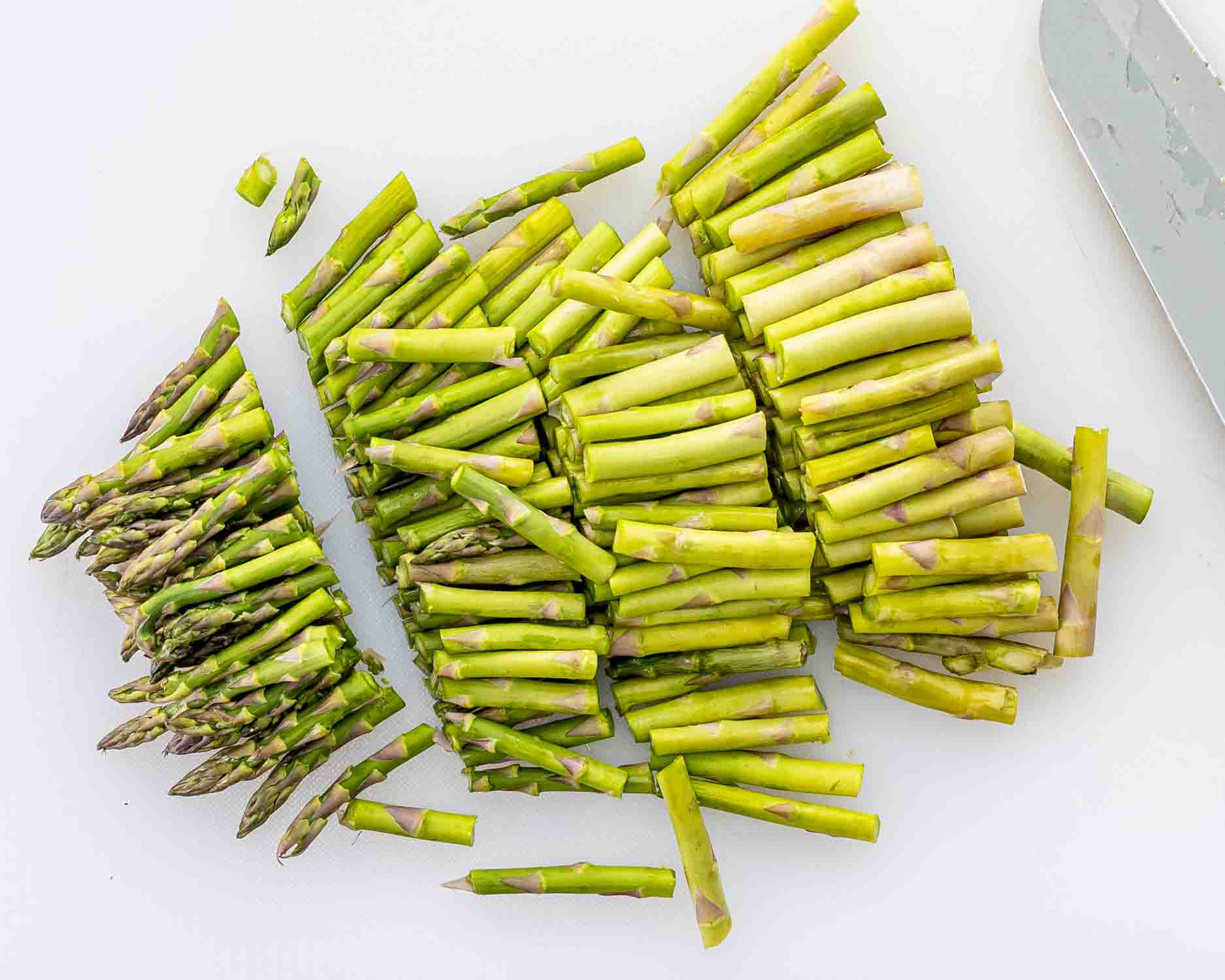
- Trim the woody ends. The bottom 1-2 inches? Tough, fibrous, and not welcome in our soup. Snap them off where they naturally break or slice them off with a knife.
- Chop the rest into 1-inch pieces. Smaller pieces cook evenly and blend easier (a.k.a. no weird stringy bits).
- Save a few tips for garnish. Because nothing screams I know what I’m doing like a pretty bowl of soup with a few perfectly placed asparagus tips on top.
- Pro Tip: If your asparagus is super thick, peel the lower half with a vegetable peeler—it removes any tough outer layers and gives you extra smooth soup.
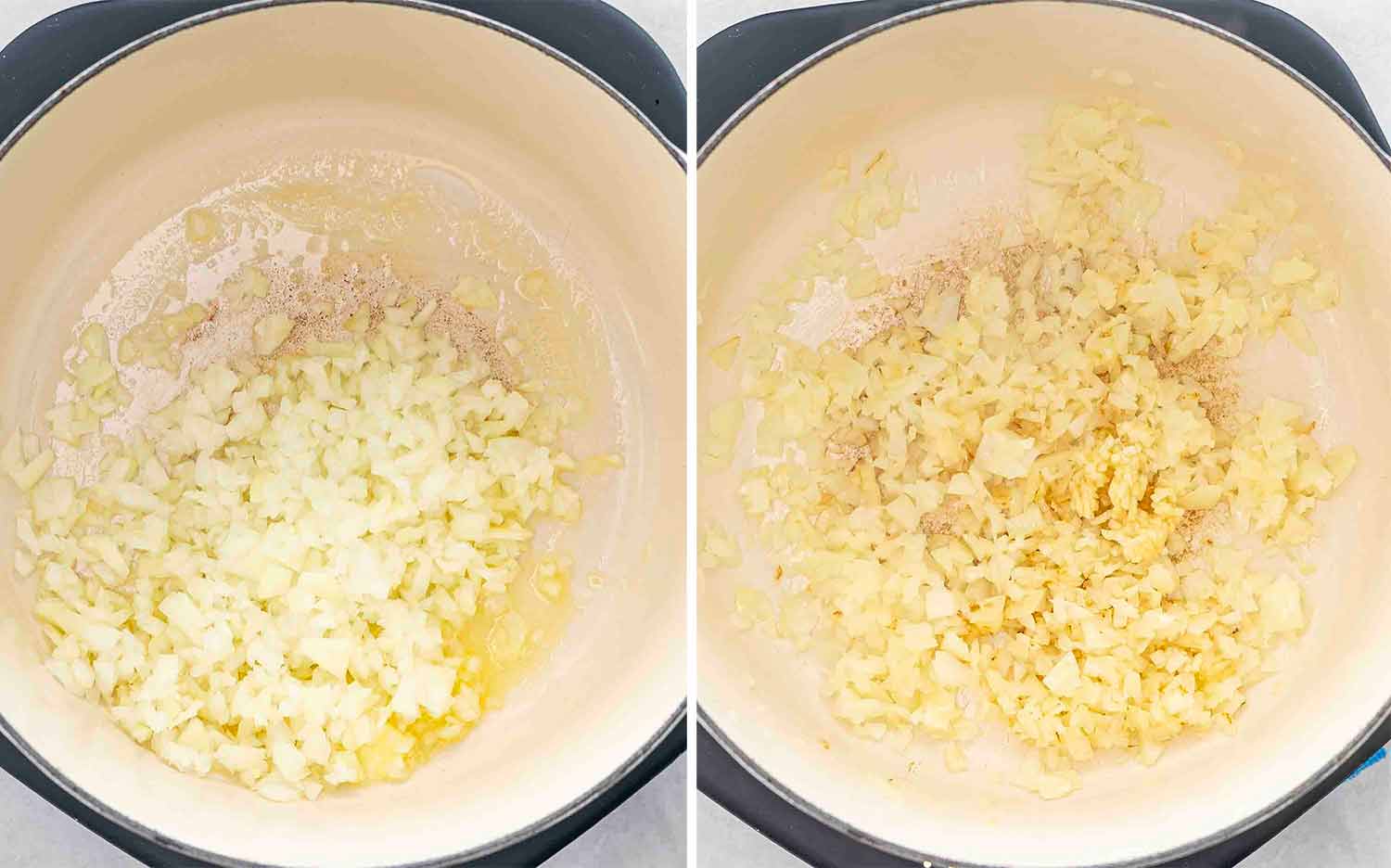
- Melt the butter in a large pot over medium heat. Butter = richer flavor. Olive oil = lighter but still delicious. Your choice!
- Add the chopped onion and let it cook for about 5 minutes. The goal? Soft and translucent, NOT browned. We’re going for gentle sweetness, not caramelized onion soup.
- Stir in the garlic and cook for just 30 seconds. Any longer, and you’ll cross the fine line between fragrant and burnt.
- Why this step matters: Taking a few minutes to properly sweat the onion and garlic builds depth of flavor, so your soup doesn’t taste like you just blended up a bunch of asparagus in hot water. (Which, by the way, would be tragic.)

- Toss in the chopped asparagus and pour in the broth. Low-sodium broth is best—it gives you full control over the seasoning.
- Bring it to a boil, then reduce the heat and let it simmer for 15 minutes. The asparagus should be fork-tender but still vibrant green.
- Don’t overcook it! If you let the asparagus simmer too long, you’ll lose that bright green color and end up with a dull, slightly bitter soup. We want fresh, not swampy.

- Remove the pot from heat and blend until smooth. Use an immersion blender for easy cleanup or a regular blender for the smoothest texture.
- If using a blender, work in batches and don’t overfill. Hot soup + tightly sealed lid = explosion waiting to happen. Loosen the lid slightly and blend in short pulses to avoid a green lava situation.
- Extra Smooth Hack: For the silkiest, restaurant-style soup, strain it through a fine mesh sieve after blending. It takes an extra minute but makes a huge difference.
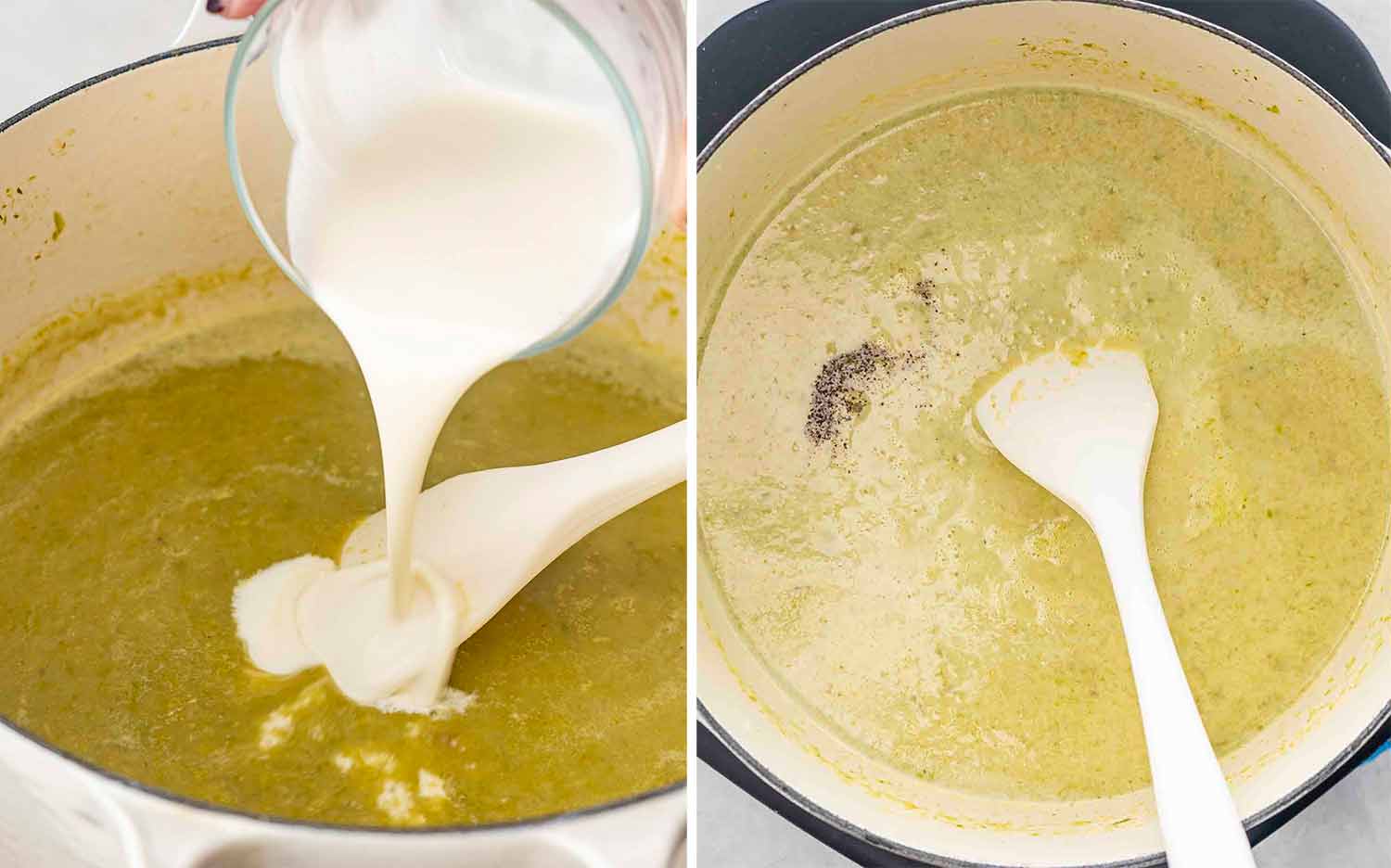
- Return the blended soup to low heat and stir in the heavy cream. Don’t let it boil—just warm it through so everything blends together beautifully.
- Season with salt and freshly ground black pepper. Taste it! Need more salt? A little more. Want more brightness? A squeeze of lemon.
- Dairy-Free? Skip the cream or swap it for coconut milk or cashew cream—both give a creamy texture without the dairy.
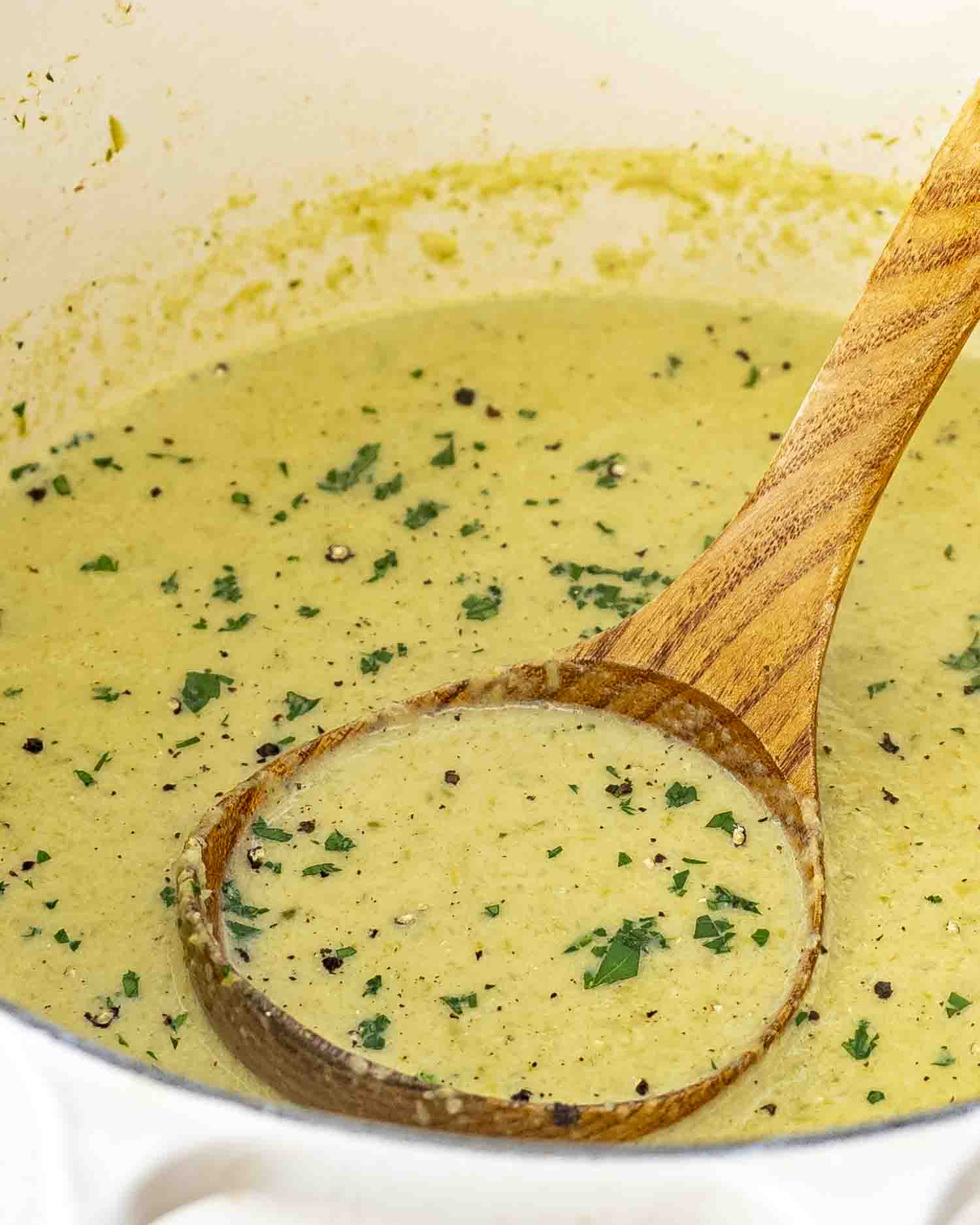
How To Serve
A sprinkle of grated Parmesan or a dollop of crème fraîche takes this to another level. Oh, and if you’re feeling extra fancy? Pour yourself a glass of white wine and pretend you’re dining at a chic little café in France. Because why not? Now, if you want to pair it with some sides, here’s how to do it like a pro:

Grilled Cheese Sandwich
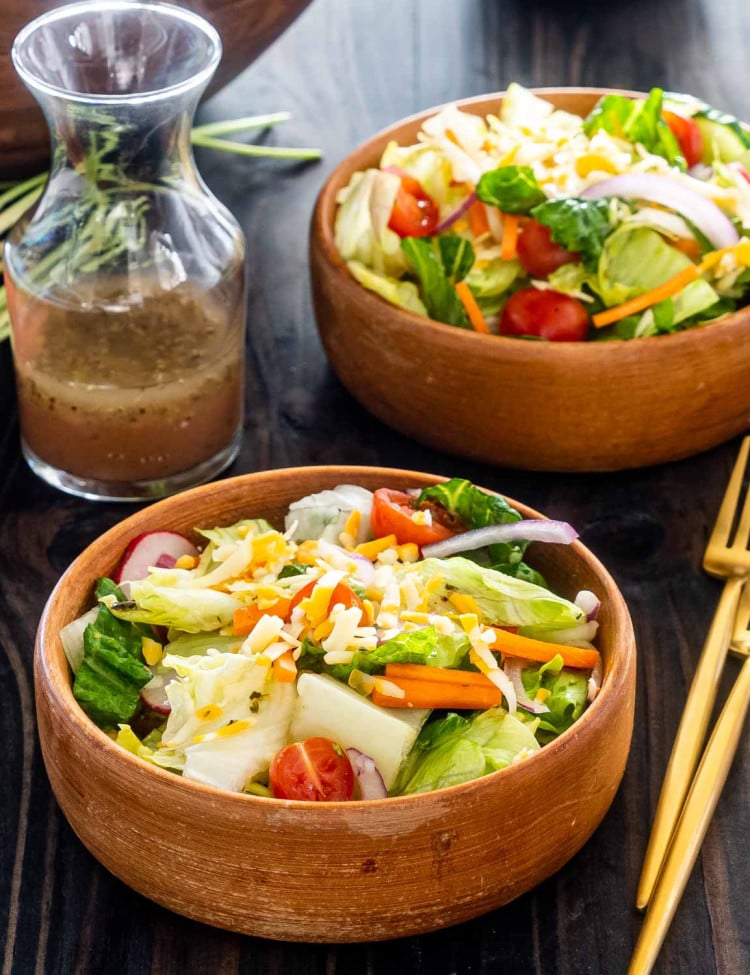
Easy Tossed Salad

No-Knead Baguette
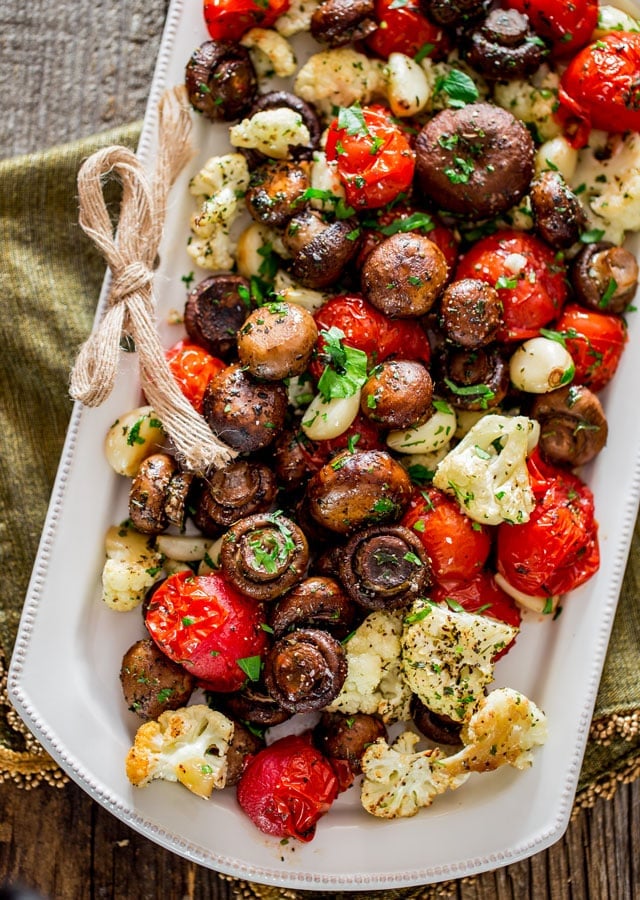
Italian Roasted Mushrooms and Veggies
Frequently Asked Questions
Can I use frozen asparagus?
Yes! Frozen asparagus works just fine—no need to thaw, just toss it straight into the pot. The flavor is slightly milder than fresh, but once blended, you won’t notice much difference. If you do decide to use frozen, reduce the cooking time by a couple of minutes since it softens faster.
Why is my soup bitter?
Overcooking is usually the culprit! If asparagus cooks for too long, it can turn dull and slightly bitter. To fix it, try adding:
✔ A splash of lemon juice (brightness cuts the bitterness)
✔ A little extra cream or butter (fat balances flavors)
✔ A small pinch of sugar (sounds weird, but it works!)
Can I make this soup dairy-free?
Absolutely! Just swap the butter for olive oil and the heavy cream for coconut milk, cashew cream, or even oat milk. Coconut milk adds a subtle sweetness, while cashew cream makes it super velvety.
Can I use a different vegetable?
Yes! This method works well with broccoli, zucchini, or even peas. Just keep in mind that some veggies need a bit longer to cook before blending. Want a combo? Try asparagus + peas for a slightly sweeter, spring-inspired twist!
Can I make this ahead of time?
Yes! This soup keeps well in the fridge for up to 3 days. The flavors actually deepen over time, so it’s great for meal prep.
✔ Reheat gently over low heat—don’t let it boil after adding the cream, or it might separate.
✔ If it thickens in the fridge, just add a splash of broth or water to loosen it up.
Can I freeze asparagus soup?
Yes, but with one condition: freeze it BEFORE adding the cream. Dairy can sometimes separate when frozen, so stir in fresh cream when reheating for the best texture.
✔ Store in an airtight container for up to 3 months.
✔ Thaw overnight in the fridge, then warm on the stove over low heat.
More Delicious Asparagus Recipes
- Roasted Asparagus and Tomatoes
- Prosciutto Wrapped Asparagus
- Lemon Orzo with Asparagus
- Pesto Shrimp Asparagus Pasta
- Roasted Asparagus
Before You Begin! If you make this, please leave a review and rating letting us know how you liked this recipe! This helps our business thrive & continue providing free recipes.

Asparagus Soup
Video
Ingredients
- 1 pound asparagus
- 1 medium onion (chopped)
- 2 cloves garlic (minced)
- 2 tablespoons unsalted butter (or olive oil)
- 4 cups vegetable (or chicken broth, low sodium or no sodium added)
- ½ cup heavy cream (or half-and-half)
- salt and pepper (to taste)
- fresh parsley (for garnish)
Before You Begin! If you make this, please leave a review and rating letting us know how you liked this recipe! This helps our business thrive & continue providing free recipes.
Instructions
- Rinse the asparagus under cold water. Trim off the woody ends (about 1-2 inches from the bottom). Cut the asparagus into 1-inch pieces, reserving a few tips for garnish if desired.
- In a large pot over medium heat, melt the butter. Add the chopped onion and sauté until translucent, about 5 minutes. Stir in the minced garlic and cook for an additional 1 minute.
- Add the asparagus pieces to the pot. Pour in the broth and bring to a boil. Reduce heat to a simmer and cook until the asparagus is tender, about 15 minutes.
- Remove the pot from heat. Use an immersion blender to purée the soup until smooth. Alternatively, carefully transfer the soup to a blender in batches and blend until smooth.
- Return the pot to low heat. Stir in the heavy cream. Season with salt and freshly ground black pepper to taste. Heat the soup gently, without boiling.
- Ladle the soup into bowls. Garnish with reserved asparagus tips and chopped herbs if desired. Serve warm.
Notes
- Fresh or frozen asparagus? Both work! Frozen asparagus softens faster, so reduce the simmer time by a few minutes.
- Trim the woody ends! The bottom 1-2 inches of asparagus are tough—cut them off for a smoother soup.
- Want ultra-smooth soup? Blend well, then strain through a fine mesh sieve for a restaurant-quality, velvety finish.
- Cream or no cream? Heavy cream adds richness, but for a dairy-free version, use coconut milk, cashew cream, or skip it entirely.
- Too thick? Too thin? If the soup is too thick, add a splash of broth. If it’s too thin, simmer uncovered for a few minutes to reduce.
- Make ahead & storage: Store in the fridge for up to 3 days. If freezing, do it before adding cream and stir in fresh when reheating.
- Brighten it up! A squeeze of lemon juice before serving makes the flavors pop.
Nutrition Information
Notice: Nutrition is auto-calculated for your convenience. Where relevant, we recommend using your own nutrition calculations.