Easy 30 Minute Balti Chicken
This post may contain affiliate links. Please read my disclosure policy.
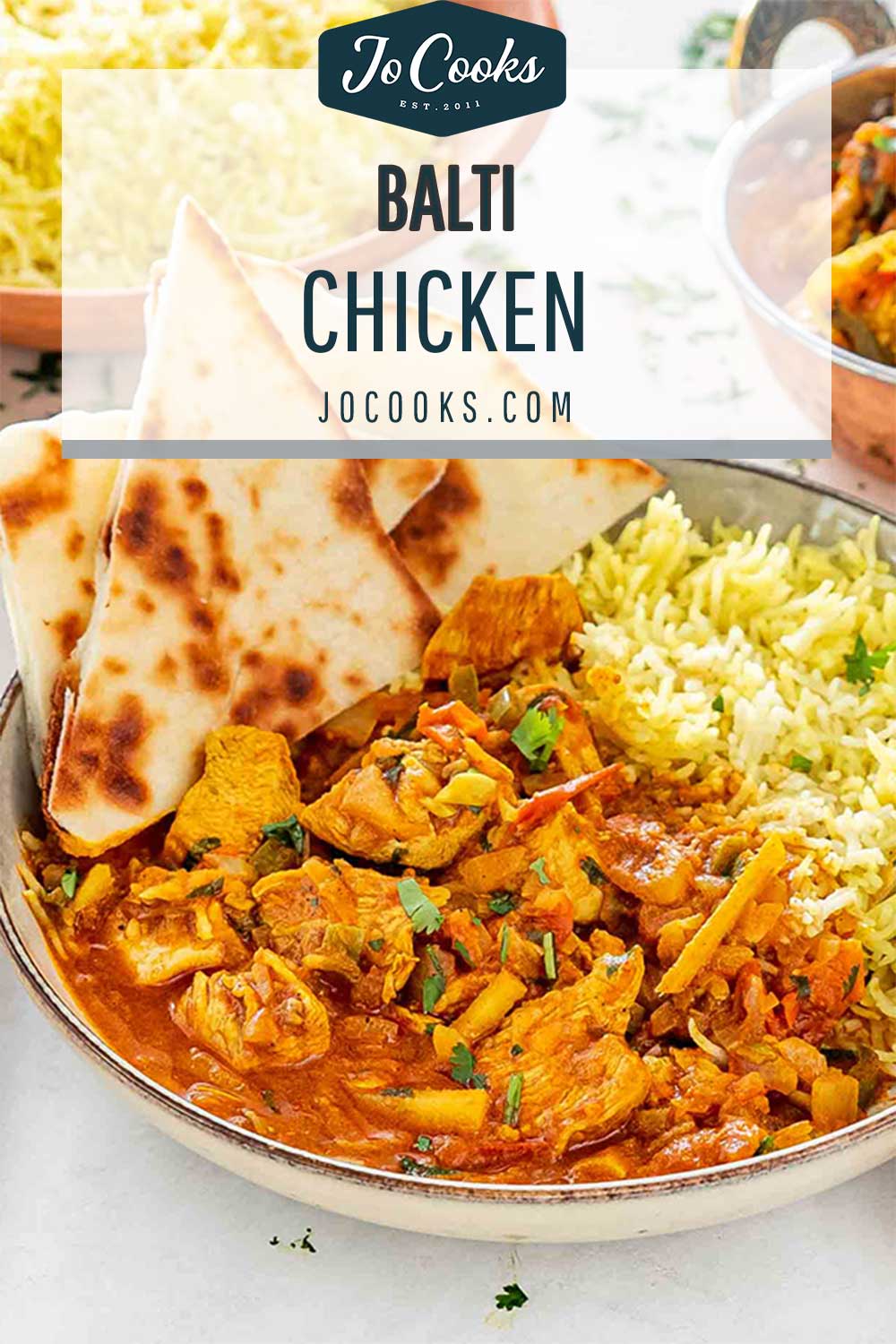
Balti Chicken — tender chicken breast in a bold, spiced tomato sauce, loaded with flavor, a little heat, and ready in just 30 minutes.

There’s something about a good curry that just fixes everything, bad days, empty fridges, even cranky husbands. And this Balti Chicken? This is my go-to when I want a cozy curry night without spending hours babysitting a pot. It’s fresh, bold, a little spicy (but not terrifying), and tastes like you secretly ordered from a fancy Indian restaurant down the street.
The best part? It’s built from simple pantry spices, fresh tomatoes, and chicken breast, no cream, no fuss, no takeout apps needed. Real flavor, real fast. (And trust me, you’re going to want extra naan on hand to mop up every last drop.)
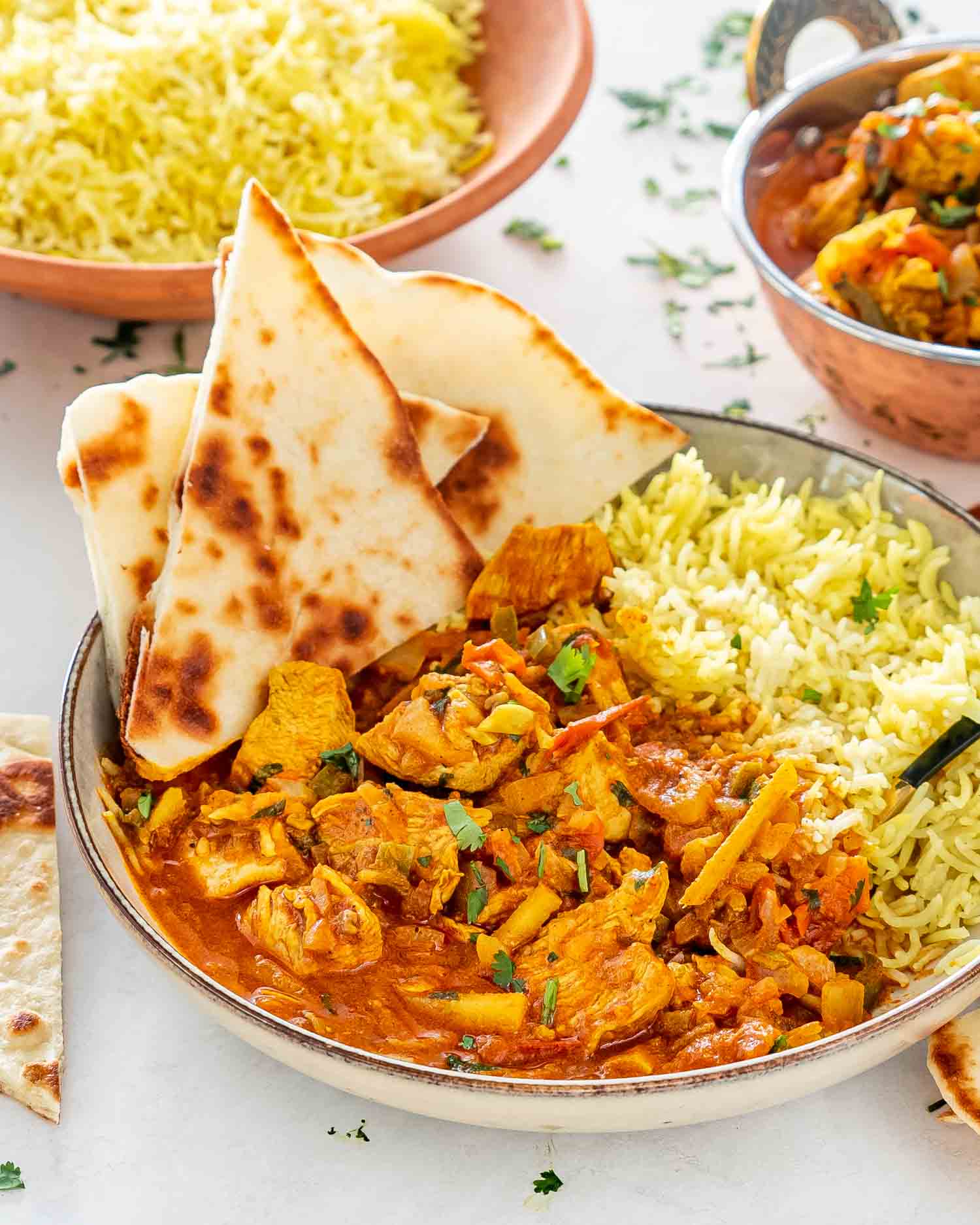
Why You’ll This Balti Chicken
- Big curry flavor, fast. Bold spices, fresh tomatoes, and tender chicken, all in about 30 minutes.
- Simple ingredients, huge payoff. Nothing weird or fancy, just real pantry spices doing their magic.
- Customizable heat. Love it spicy? Add extra green chilies. Prefer it mild? Dial it back. You’re the boss of the spice level.
- Lighter and fresher. No heavy creams or butters, just a bright, punchy tomato-based sauce that still feels cozy.
- Perfect with rice or naan. This sauce is made for scooping, mopping, and generally causing a happy mess at dinner.
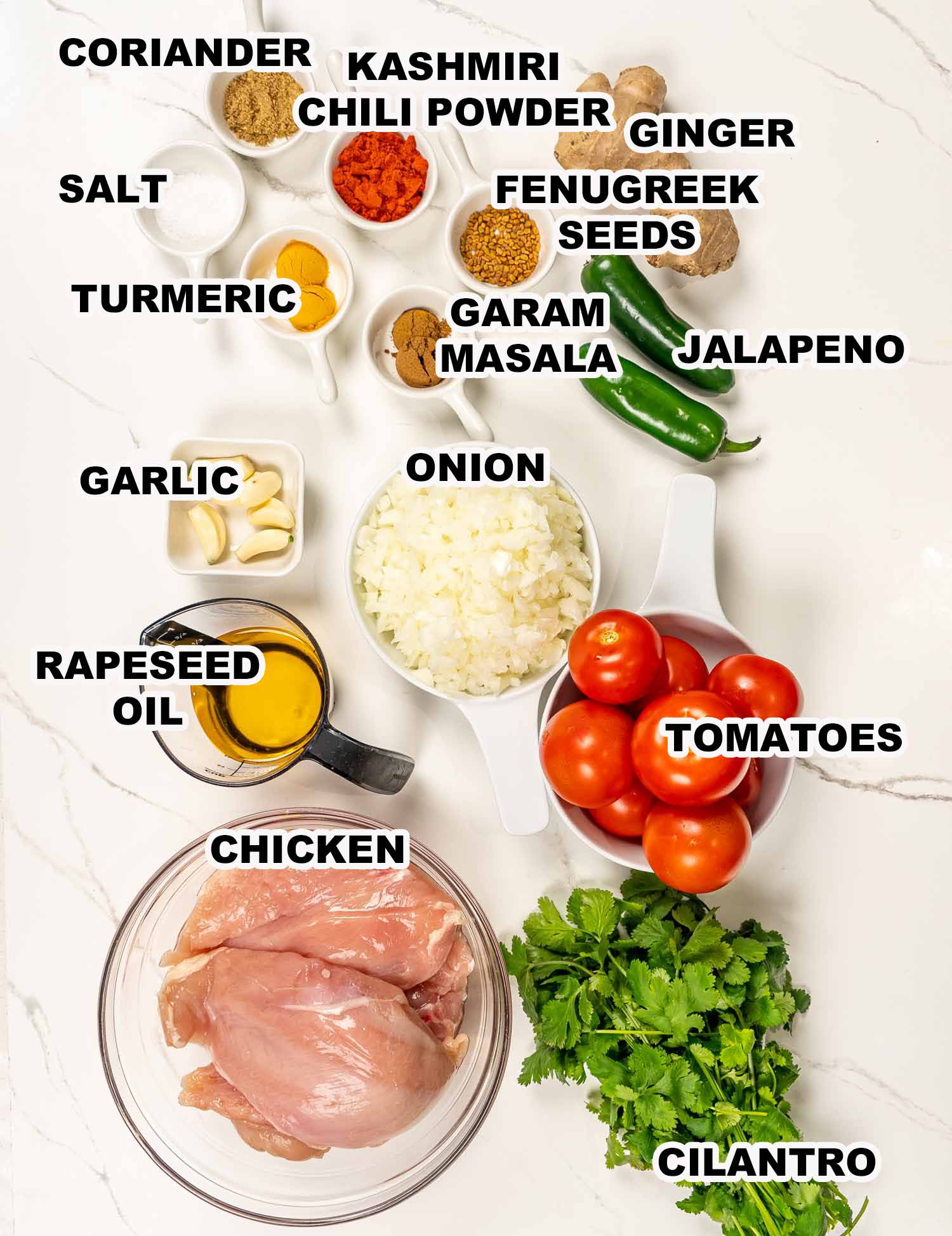
- Use Fresh Tomatoes. Balti is all about that fresh, slightly tangy tomato flavor, not heavy canned sauces. Roughly chop them, no need to get fussy. They’ll break down beautifully as they cook.
- Chicken Breast Cooks Fast. Since you’re using breast meat, don’t walk away once it hits the pot. A few minutes is all you need, juicy, tender chicken, not sad, dry cubes.
- Adjust the Heat. The Kashmiri chili powder and green chilies add a cozy warmth, not blow-your-head-off spice. But if you’re spice-sensitive (or cooking for tiny humans), you can easily cut back the chilies or use milder peppers.
- Don’t Skip the Fenugreek Seeds. That tiny 1 teaspoon of fenugreek makes a huge difference. It gives the sauce that classic curry house flavor that feels instantly “right.” Totally worth keeping a little jar around.
- The Sauce is Meant to Be a Little Loose. This isn’t a thick, heavy curry, it’s bright, juicy, and saucy. Perfect for spooning over basmati rice or scooping up with warm naan.
- Rapeseed Oil = Canola Oil. Rapeseed oil and canola oil are basically the same thing, light, neutral, perfect for high-heat cooking. Not to be confused with grapeseed oil, which has a totally different flavor and smoke point!
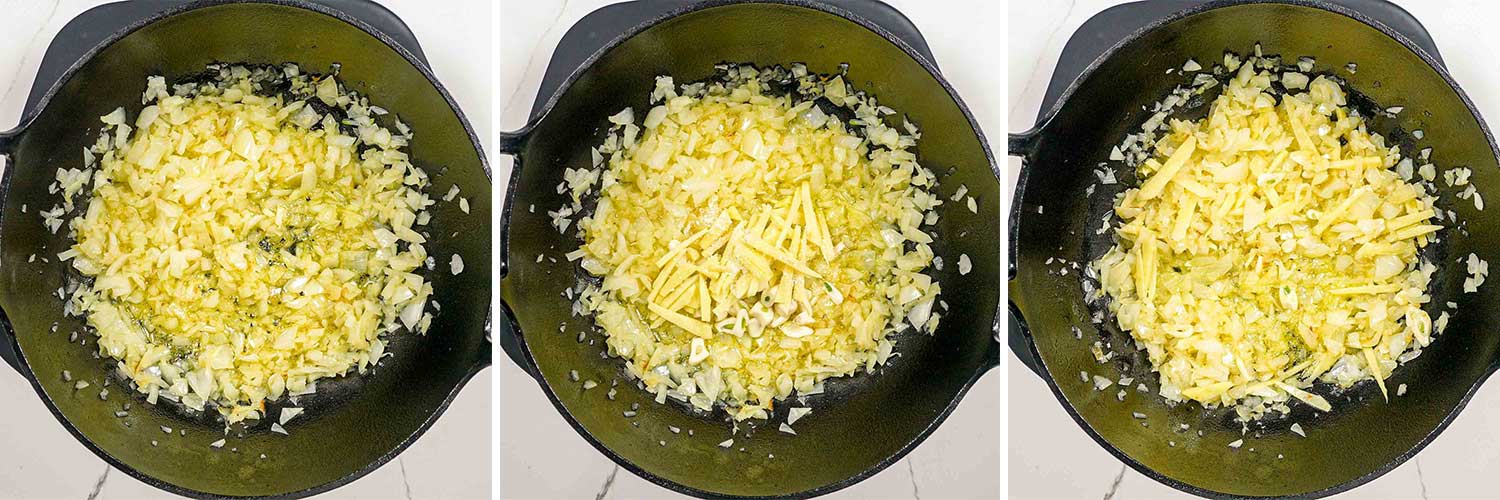
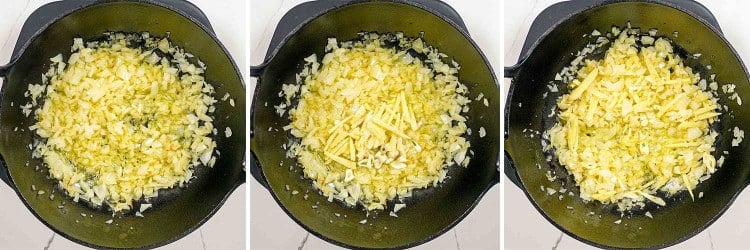
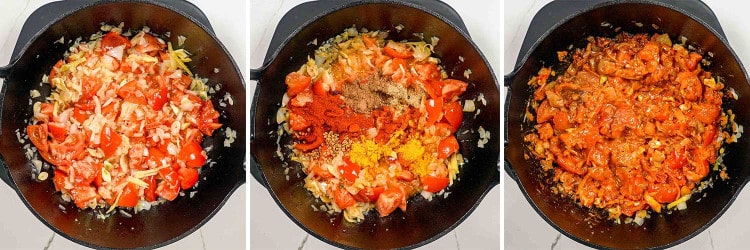
Heat up the rapeseed oil in a big Dutch oven over medium heat. Toss in the onions and let them cook until they soften and start getting a little golden, about 5 minutes. Add the sliced garlic and ginger, and cook for another 30 seconds until your kitchen smells downright irresistible.
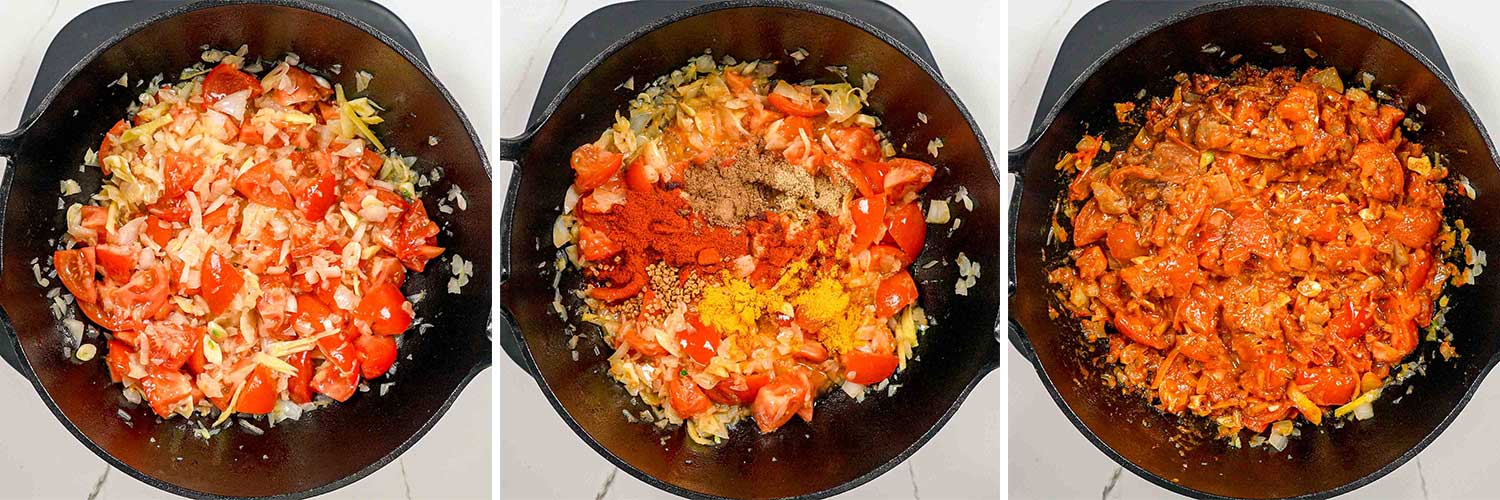
Throw in the chopped tomatoes and let them break down for a few minutes. They don’t need to turn into a sauce yet, just soften up. Then stir in all those gorgeous spices: Kashmiri chili powder, turmeric, garam masala, coriander, fenugreek seeds, and the chopped green chilies. Give everything a good stir so it smells like pure magic.
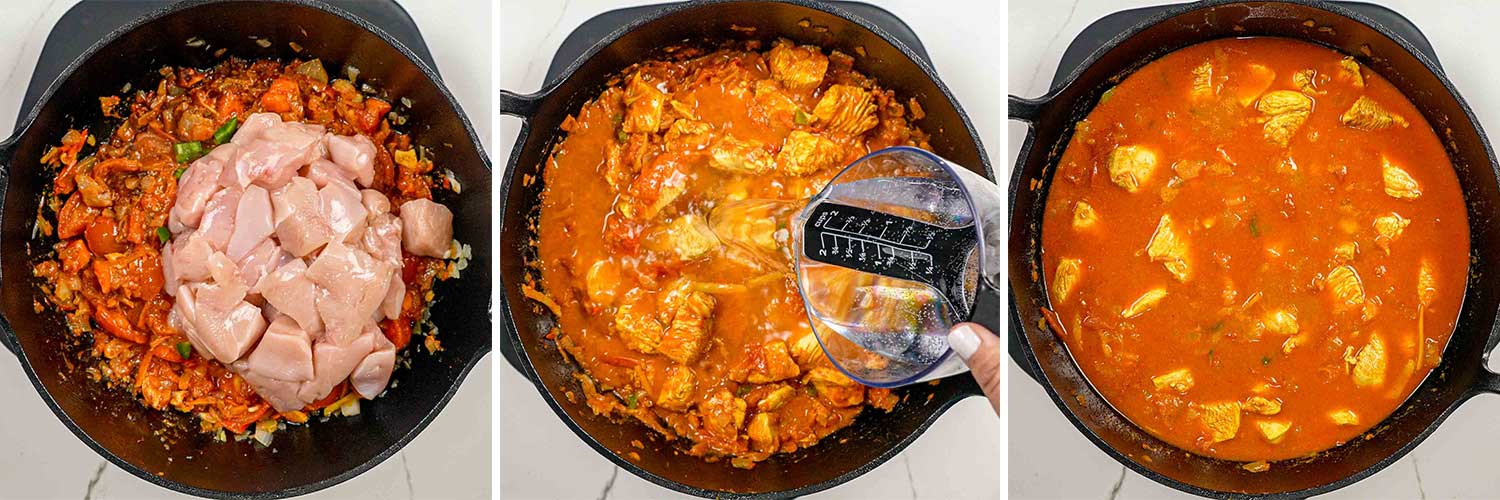
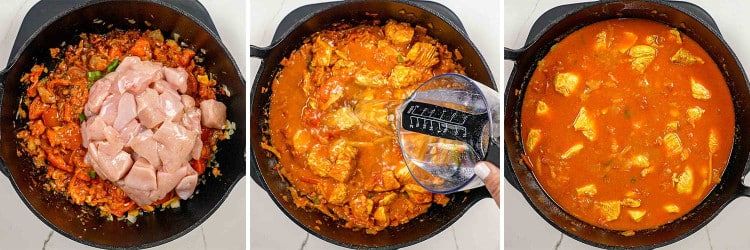
Stir in the chicken breast pieces and let them cook for 4 to 5 minutes. You want them just barely cooked through, they’ll finish in the sauce. Pour in the cold water and bring it to a gentle boil, stirring occasionally. Once it bubbles, drop the heat and let it simmer for another 5 to 10 minutes until the sauce thickens slightly but stays nice and loose. Taste and season with a bit more salt if needed.
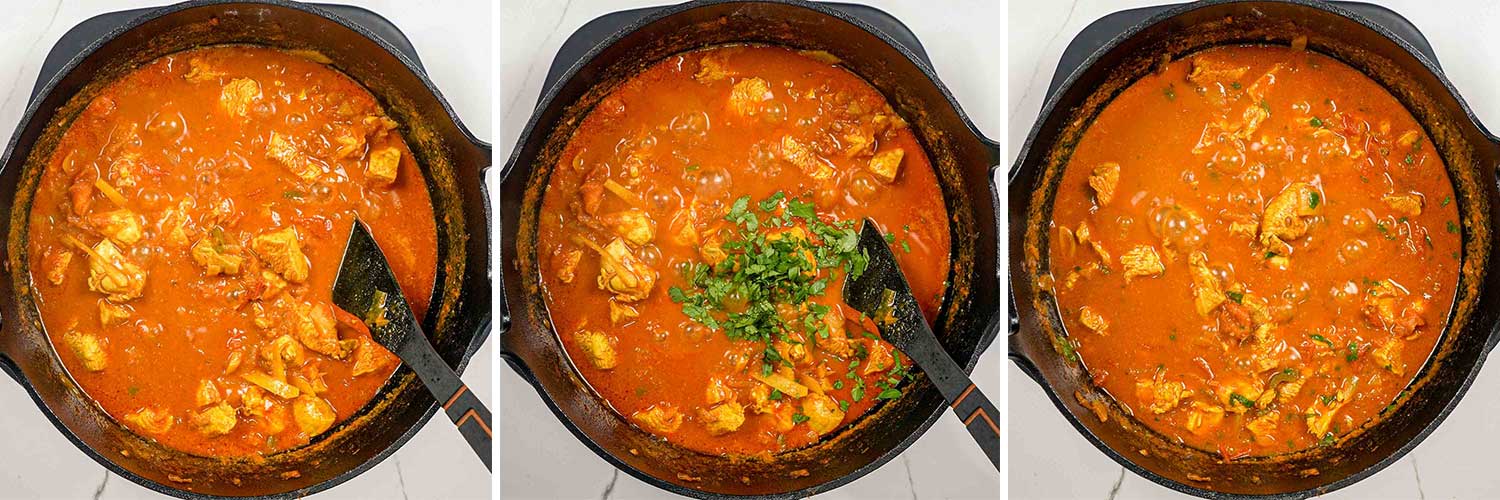
Scatter with lots of chopped fresh cilantro, grab some warm basmati rice or naan, and dig in while it’s piping hot. Preferably with extra naan for unapologetic sauce mopping.

Frequently Asked Questions
What’s the difference between a curry and a Balti?
All Baltis are curries, but not all curries are Baltis!
A Balti is a specific style of curry that’s cooked quickly over high heat, usually in a thin, steel wok-like pan called a balti. The sauce is lighter, fresher, tomato-based, and has less heavy cream or butter compared to other classic curries. It’s bold, bright, and built for scooping and mopping with naan, no slow simmering for hours here!
Can I make Balti Chicken ahead of time?
Absolutely! In fact, the flavors get even better after a night in the fridge. Just reheat gently on the stove over low heat, adding a splash of water if the sauce thickens too much.
Can I freeze it?
Yes! Cool the curry completely, then freeze it in an airtight container for up to 3 months. Thaw overnight in the fridge and reheat gently before serving.
Can I use chicken thighs instead of breast?
Totally. Thighs will stay extra juicy and forgiving if you tend to overcook a little. Just cut them into bite-sized pieces like you would with breast.
Is Balti Chicken really spicy?
It has a warm, cozy heat thanks to the Kashmiri chili powder and green chilies, but it’s not fiery. If you want it milder, cut back on the green chilies. Want it hotter? Toss in an extra chili or two.
Can I make this vegetarian?
Yes! Swap the chicken for firm tofu, paneer, chickpeas, or even just load it up with more veggies like cauliflower, zucchini, and bell peppers.
Can I cook this in a wok?
You can, and it’s actually pretty traditional! Baltis were originally cooked in flat-bottomed steel pans. If you have a wok, it’ll work beautifully, just watch the heat and stir often.

Try These Delicious Indian Inspired Recipes Next
- Butter Chicken
- Chicken Jalfrezi
- Tandoori Chicken
- Chicken Korma
- Vegetable Biryani
- Chicken Tikka Masala
Before You Begin! If you make this, please leave a review and rating letting us know how you liked this recipe! This helps our business thrive & continue providing free recipes.

Balti Chicken
Video
Ingredients
- ⅓ cup rapeseed oil
- 2 large onion (chopped)
- 6 cloves garlic (sliced)
- 2 inch ginger piece (peeled and sliced)
- 6 medium tomatoes (roughly chopped)
- 1 tablespoon kashmiri chili powder
- 2 teaspoons turmeric
- 2 teaspoons garam masala
- 1 teaspoon ground coriander
- 1 teaspoon fenugreek seeds
- 2 small green chili (chopped)
- 2 pounds chicken breast (boneless and skinless cut into 1 inch cubes)
- 2 cup cold water
- salt to taste
- ¼ cup fresh cilantro (roughly chopped)
Before You Begin! If you make this, please leave a review and rating letting us know how you liked this recipe! This helps our business thrive & continue providing free recipes.
Instructions
- Heat the rapeseed oil in a large Dutch oven over medium heat. Add the onion and cook for about 5 minutes until the onion softens and starts to slightly brown. Add the garlic and ginger to the pot and cook for another 30 seconds until aromatic. Lightly season with a bit of salt.

- Add the chopped tomatoes and cook for 3 minutes while stirring occasionally. Add in the Kashmiri chili powder, turmeric, garam masala, ground coriander, fenugreek seeds and green chili. Stir well and cook for another minute.
- Stir in the chicken and cook for 4 to 5 minutes. Add the cold water and bring to a boil while stirring occasionally. Reduce heat to a simmer and cook for another 5 to 10 minutes until sauce thickens. Taste for seasoning and adjust with salt as necessary.
- Garnish with cilantro. Serve over basmati rice with naan.

Equipment
Notes
- Storage: Leftovers keep well in the fridge for up to 4 days or freeze for up to 3 months.
- Reheating: Reheat gently on the stove over low heat, adding a splash of water if needed to loosen the sauce.
- Chicken Options: You can swap chicken breast for chicken thighs if you prefer extra juicy bites.
- Tomato Tip: Use fresh, ripe tomatoes for the best flavor. If your tomatoes are underripe, you can stir in a tiny pinch of sugar to balance the sauce.
- Spice Control: Dial back the green chilies for a milder dish or add extras if you like it hot.
- Oil Note: Rapeseed oil is basically the same as canola oil if you’re in North America, not to be confused with grapeseed oil!
Nutrition Information
Notice: Nutrition is auto-calculated for your convenience. Where relevant, we recommend using your own nutrition calculations.