Baked Honey Mustard Salmon In Foil (20 Minute Dinner)
This post may contain affiliate links. Please read my disclosure policy.
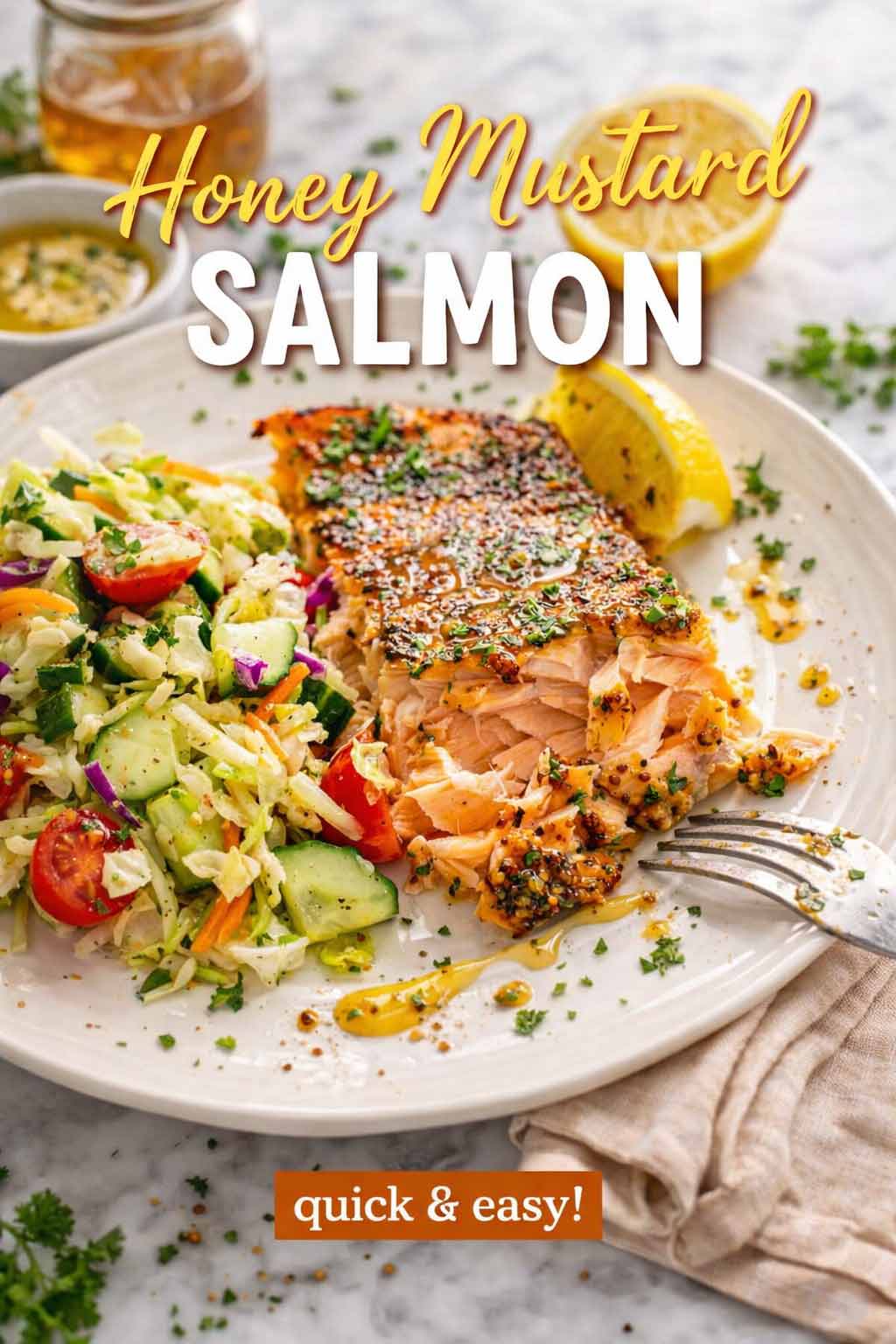
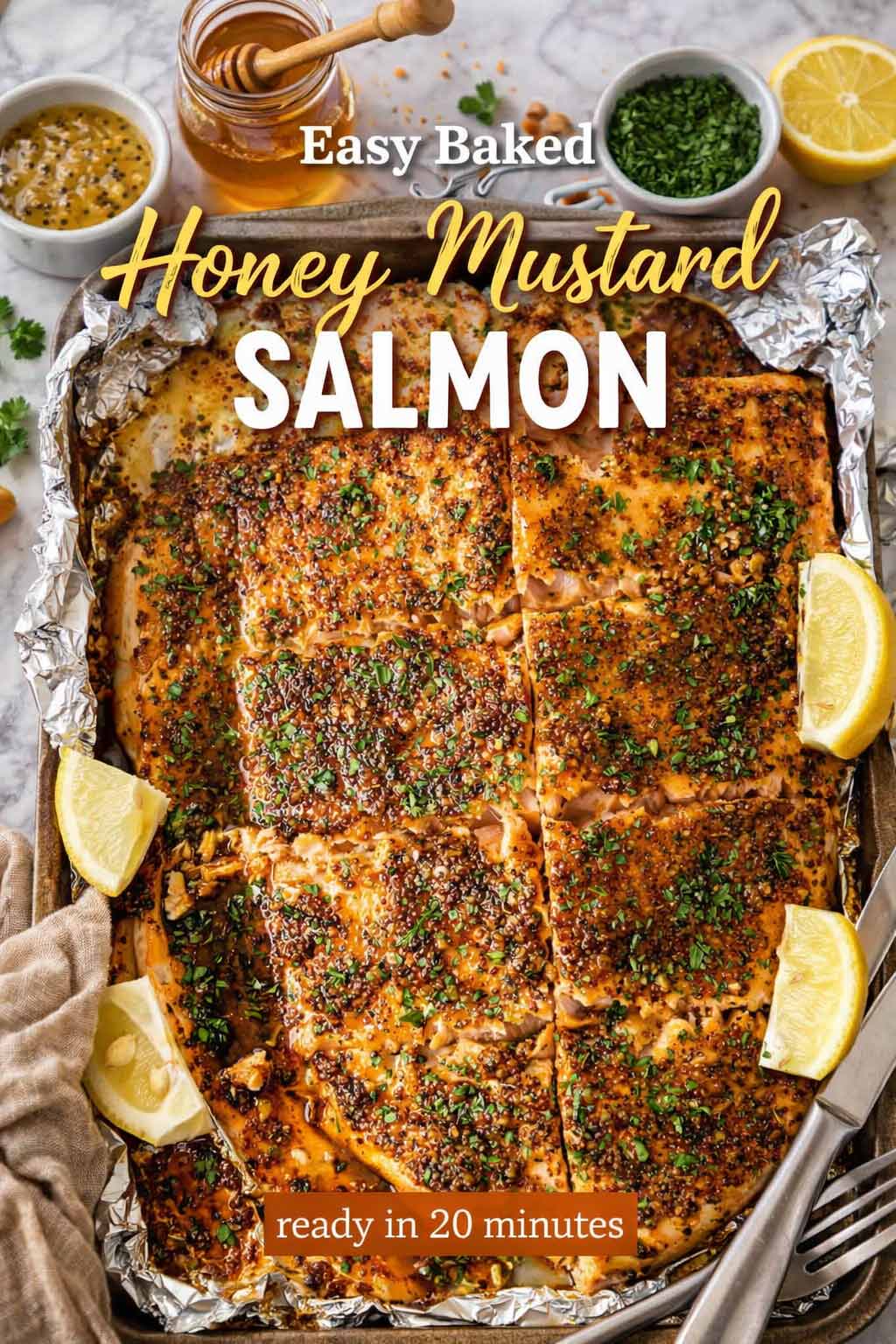
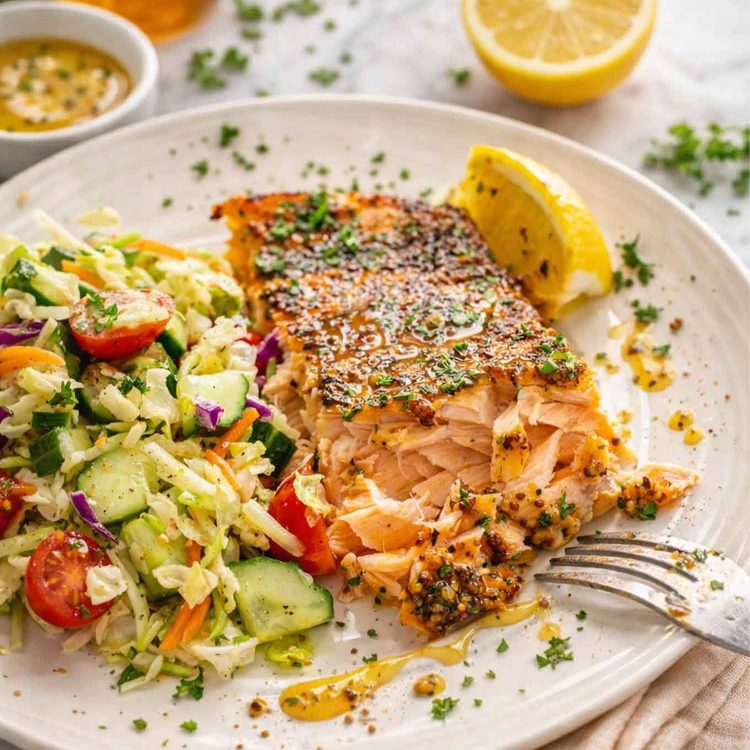
Baked Honey Mustard Salmon In Foil is one of those dinners that looks impressive but is actually incredibly easy to make. The salmon cooks gently in foil so it stays juicy and tender, and the honey mustard sauce adds the perfect sweet and tangy flavor. This is a great 20 minute dinner for busy weeknights.
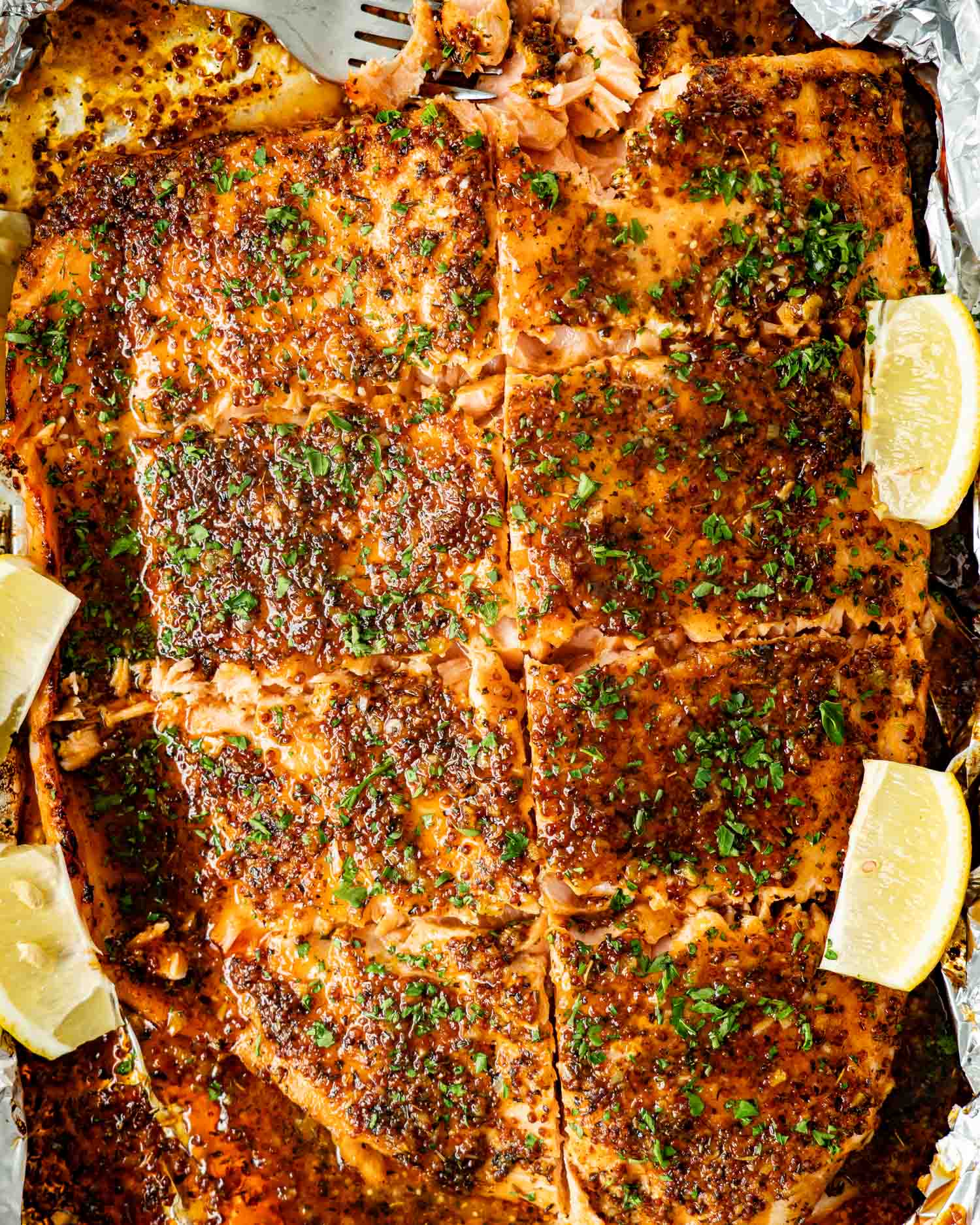

Easy Baked Honey Mustard Salmon In Foil
If you want to start cooking salmon at home but are not sure where to begin, baking salmon in foil is probably the easiest method. The foil traps moisture and gently cooks the fish so it does not dry out, and it also makes cleanup really easy.
This honey mustard sauce is one of my favorite sauces for salmon because it only takes a few minutes to mix together and adds a lot of flavor without being complicated. This recipe is simple, reliable, and perfect for a quick dinner.
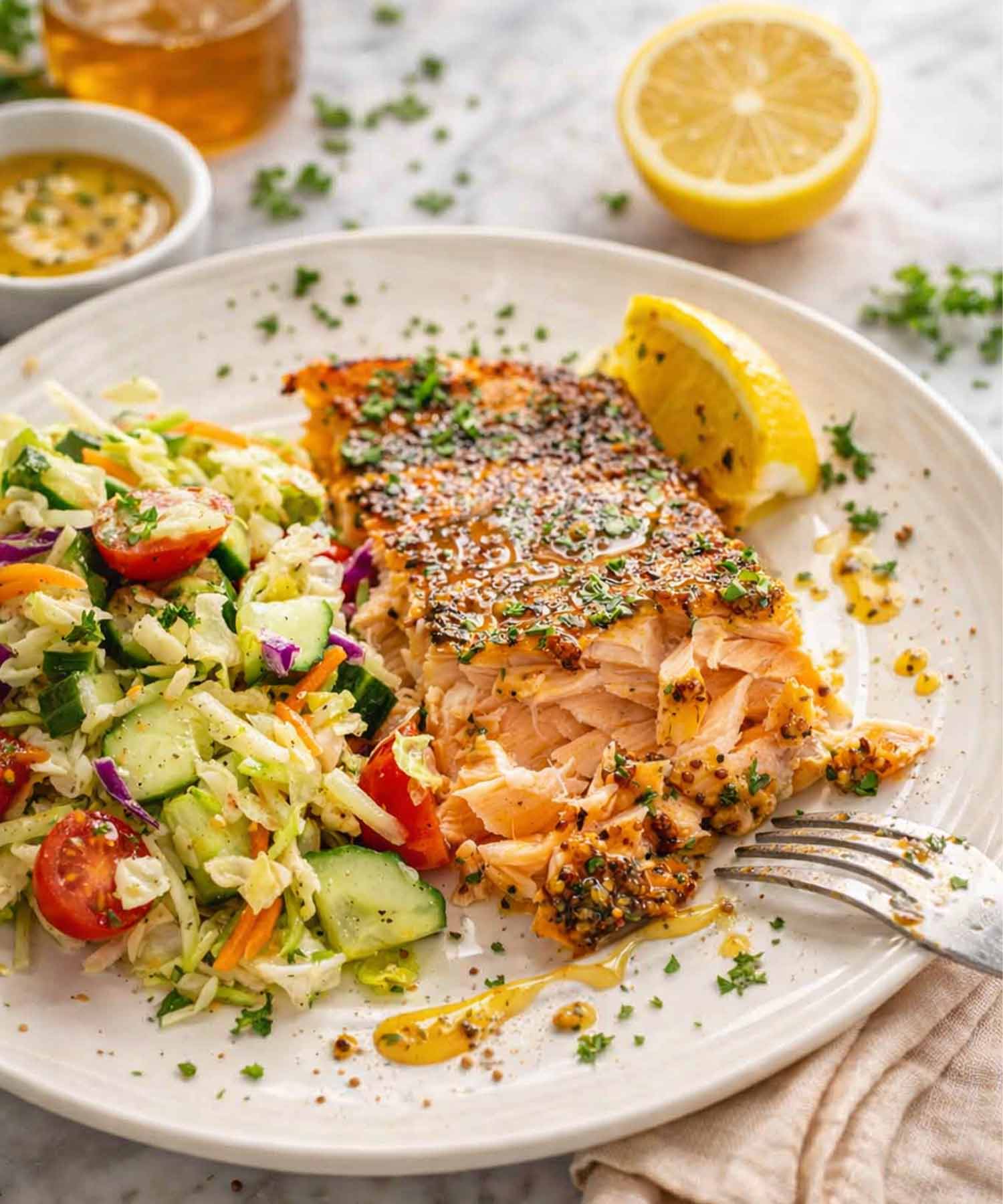
Why You’ll Love This Baked Honey Mustard Salmon In Foil
- Foolproof method: Baking salmon in foil keeps it moist and tender, which makes it very hard to overcook.
- Ready in about 20 minutes: This is a quick dinner that is perfect for busy weeknights.
- Easy cleanup: Everything cooks in foil on one baking sheet, so cleanup is minimal.
- Sweet and tangy sauce: The honey mustard sauce adds a lot of flavor with very little effort.
- Healthy dinner option: Salmon is high in protein and healthy fats, making this a great balanced meal.
- Great for beginners: If you are new to cooking salmon, this is a very easy and reliable recipe to start with.
- Feeds a crowd easily: Cooking a whole salmon fillet in foil is perfect when cooking for family or guests.
- Pairs with many side dishes: Serve it with rice, potatoes, vegetables, or a simple salad.
Key Ingredients And Tips
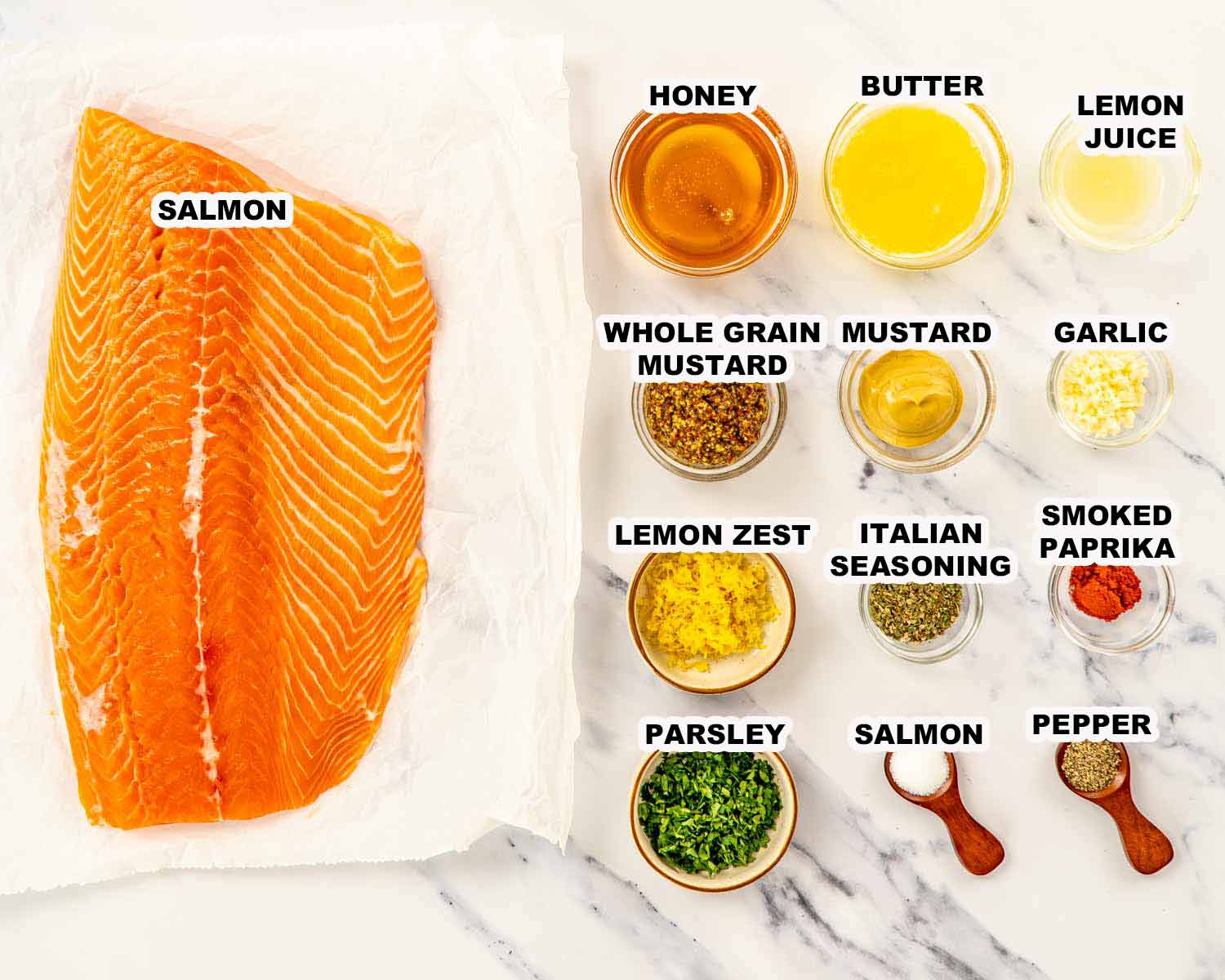
- Salmon: You can use a whole side of salmon like I did here or individual fillets. Skin on or skin off both work, but I prefer skin on because it helps hold the fish together and keeps it more moist while baking.
- Honey: The honey adds sweetness and helps the sauce caramelize slightly when the salmon is broiled at the end. Maple syrup can also be used if you prefer.
- Mustard: I like using a combination of whole grain mustard and Dijon mustard for the best flavor. The grainy mustard adds texture and the Dijon adds a bit of sharpness, but you can use whatever mustard you like.
- Garlic: Fresh garlic adds a lot of flavor to the sauce and works really well with both the honey and mustard.
- Lemon juice and zest: The lemon adds freshness and helps balance the sweetness from the honey. Do not skip the zest because it adds a lot of flavor.
- Butter: The butter makes the sauce richer and helps keep the salmon moist while baking.
- Foil: Baking the salmon in foil traps steam and keeps the salmon tender and juicy. It is also one of the easiest ways to cook salmon because it is very forgiving and hard to overcook.
- Salmon thickness: Cooking time will depend on how thick your salmon is. Thicker pieces will take longer to cook, while thinner fillets will cook faster.
Substitutions And Variations
- Maple instead of honey: Maple syrup works really well in place of honey and gives the sauce a slightly different sweetness. This is a great option if you prefer maple glazed salmon.
- Different mustards: You can use Dijon, whole grain mustard, yellow mustard, or even spicy brown mustard. Each one will give the sauce a slightly different flavor.
- Add herbs: Fresh herbs like dill, thyme, parsley, or rosemary are really good with salmon and can be added to the sauce or sprinkled over the salmon before baking.
- Make it spicy: Add a pinch of red pepper flakes or a little bit of sriracha to the honey mustard sauce for a bit of heat.
- Add vegetables to the foil: You can turn this into a full meal by adding vegetables like asparagus, green beans, broccoli, zucchini, or sliced potatoes to the foil packet. Just make sure vegetables are cut small enough so they cook in the same time as the salmon.
- Use individual fillets: Instead of a whole side of salmon, you can make this recipe using individual salmon fillets. Just reduce the cooking time slightly depending on the thickness of the fillets.
- Make it dairy free: You can replace the butter with olive oil if you prefer a dairy free version.
- Use other fish: This honey mustard sauce also works really well with trout, cod, or halibut.
How To Bake Salmon In Foil (Tips For Success)
Baking salmon in foil is one of the easiest and most reliable ways to cook salmon because the foil traps steam and keeps the salmon moist while it cooks. This method is especially good if you are worried about overcooking salmon.
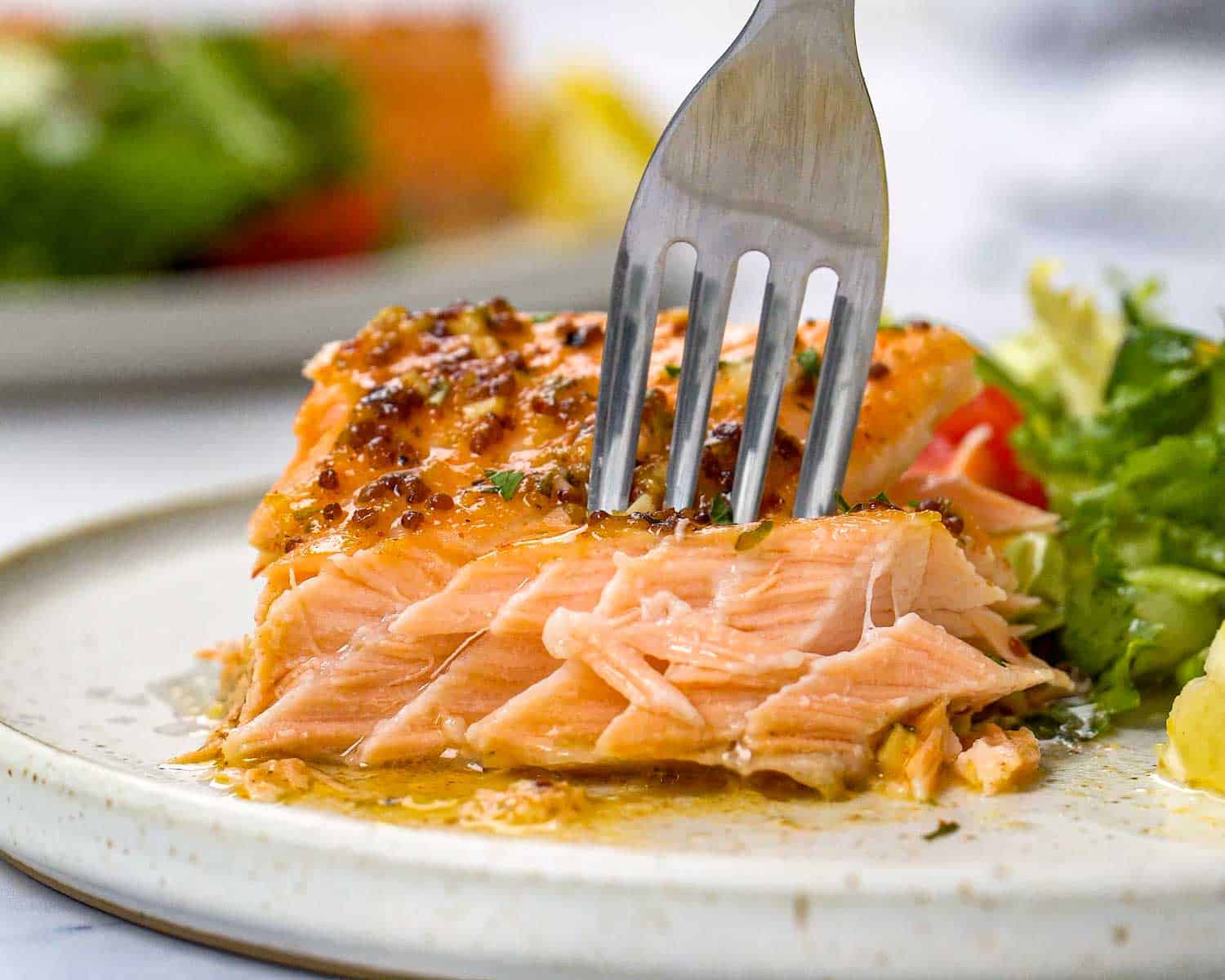
The most important thing to remember is that cooking time depends on the thickness of the salmon. Thicker pieces will take longer to cook, while thinner fillets will cook faster. Salmon is done when it flakes easily with a fork and is opaque in the center.
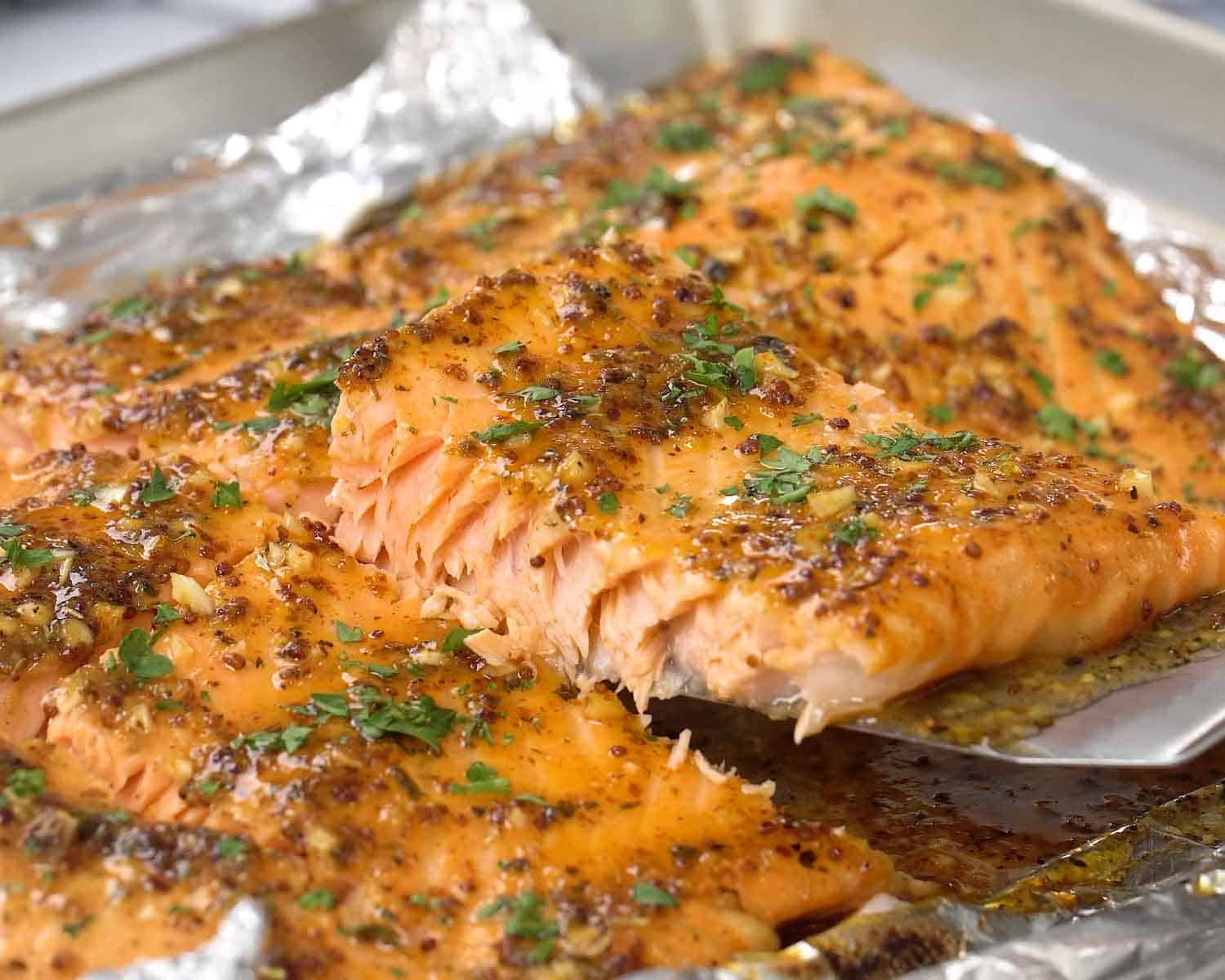
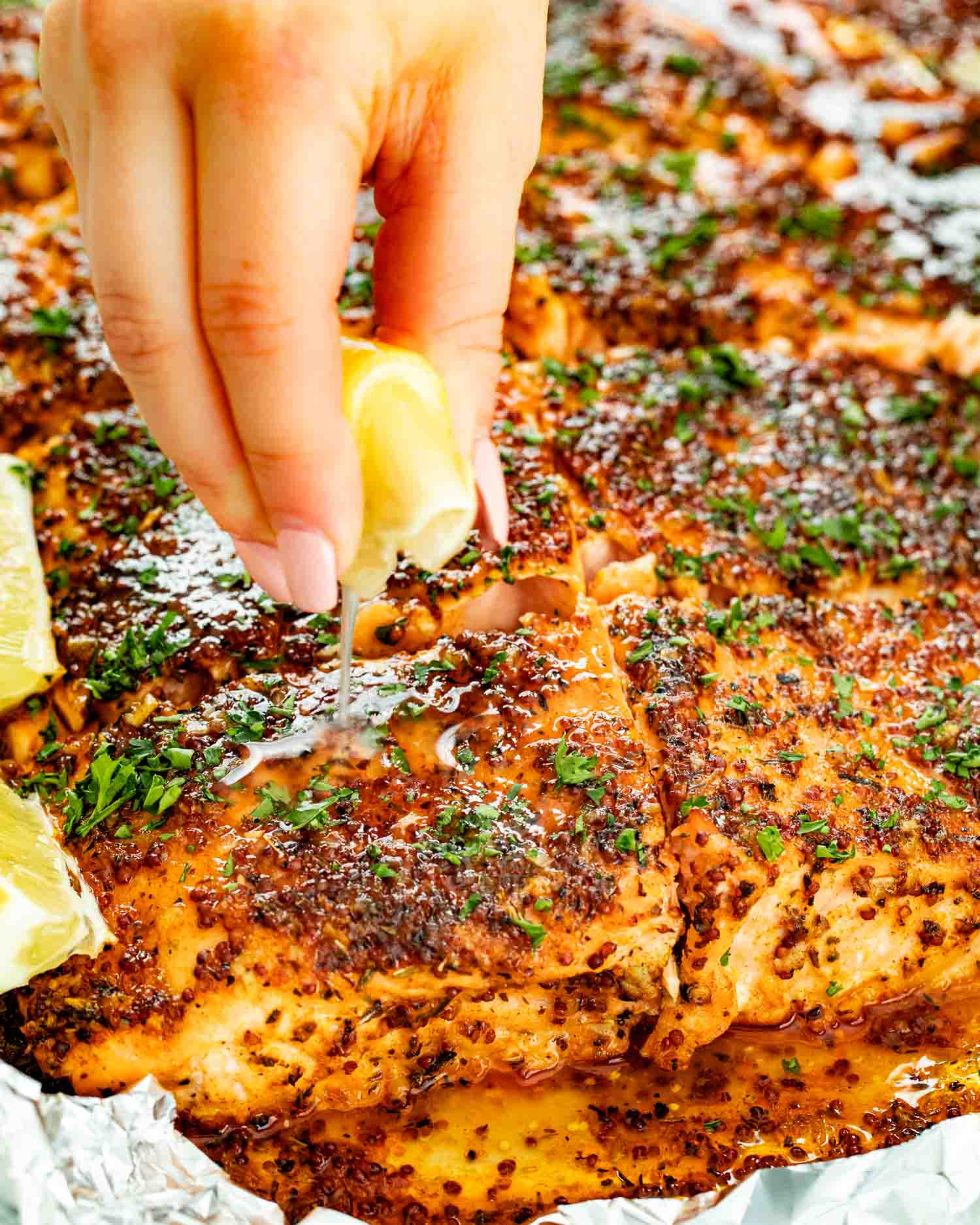
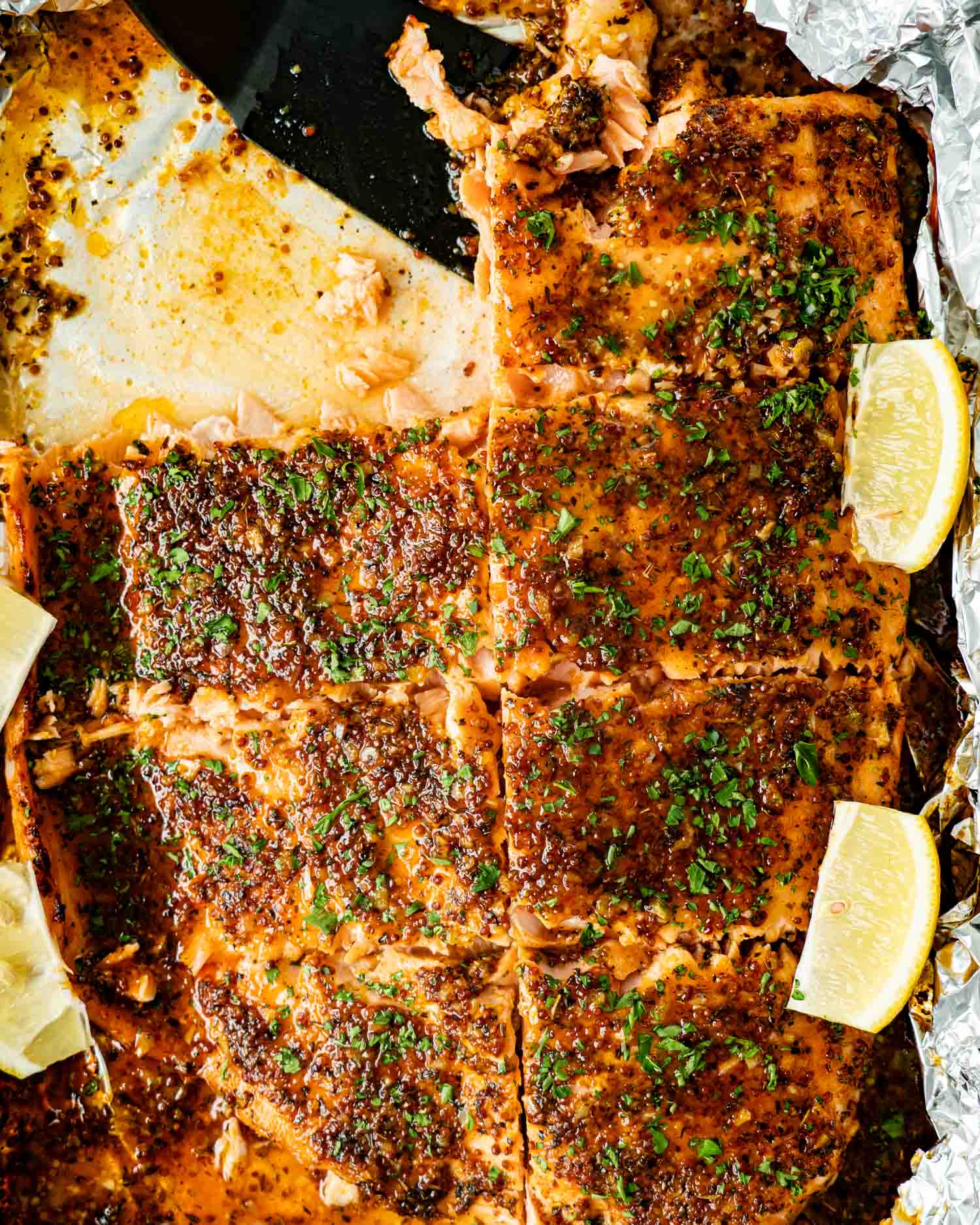
After baking the salmon in foil, I like to open the foil and broil it for a couple minutes at the end. This helps the honey mustard sauce bubble and caramelize slightly and adds more flavor to the top of the salmon.
You can also use a meat thermometer to check if the salmon is done. Salmon is cooked when it reaches about 125°F to 130°F in the thickest part for moist, tender salmon. If you prefer it more well done, you can cook it to about 140°F. I usually take the salmon out a few degrees early because it will continue to cook slightly while it rests.
Common Mistakes To Avoid
- Overcooking the salmon: This is the most common mistake. Salmon cooks quickly and continues to cook slightly after you remove it from the oven. Take it out when it flakes easily with a fork and is just slightly translucent in the center.
- Wrapping the foil too tightly: You want to seal the foil, but do not press it tightly against the salmon. Leave a little space so heat and steam can circulate and cook the salmon evenly.
- Using very thin salmon fillets: Very thin pieces of salmon cook much faster and can dry out easily. If using thin fillets, reduce the cooking time and check the salmon earlier.
- Not adjusting cooking time for thickness: A thick piece of salmon can take closer to 20 minutes, while thinner fillets may only take 12 to 15 minutes. Always adjust cooking time based on thickness, not just time on the clock.
- Skipping the broiling step: Broiling for a couple minutes at the end helps caramelize the honey mustard sauce and adds a lot more flavor to the salmon.
- Adding too much salt: Mustard and butter already add saltiness, so be careful not to over salt the salmon before baking.
What To Serve With Honey Mustard Salmon
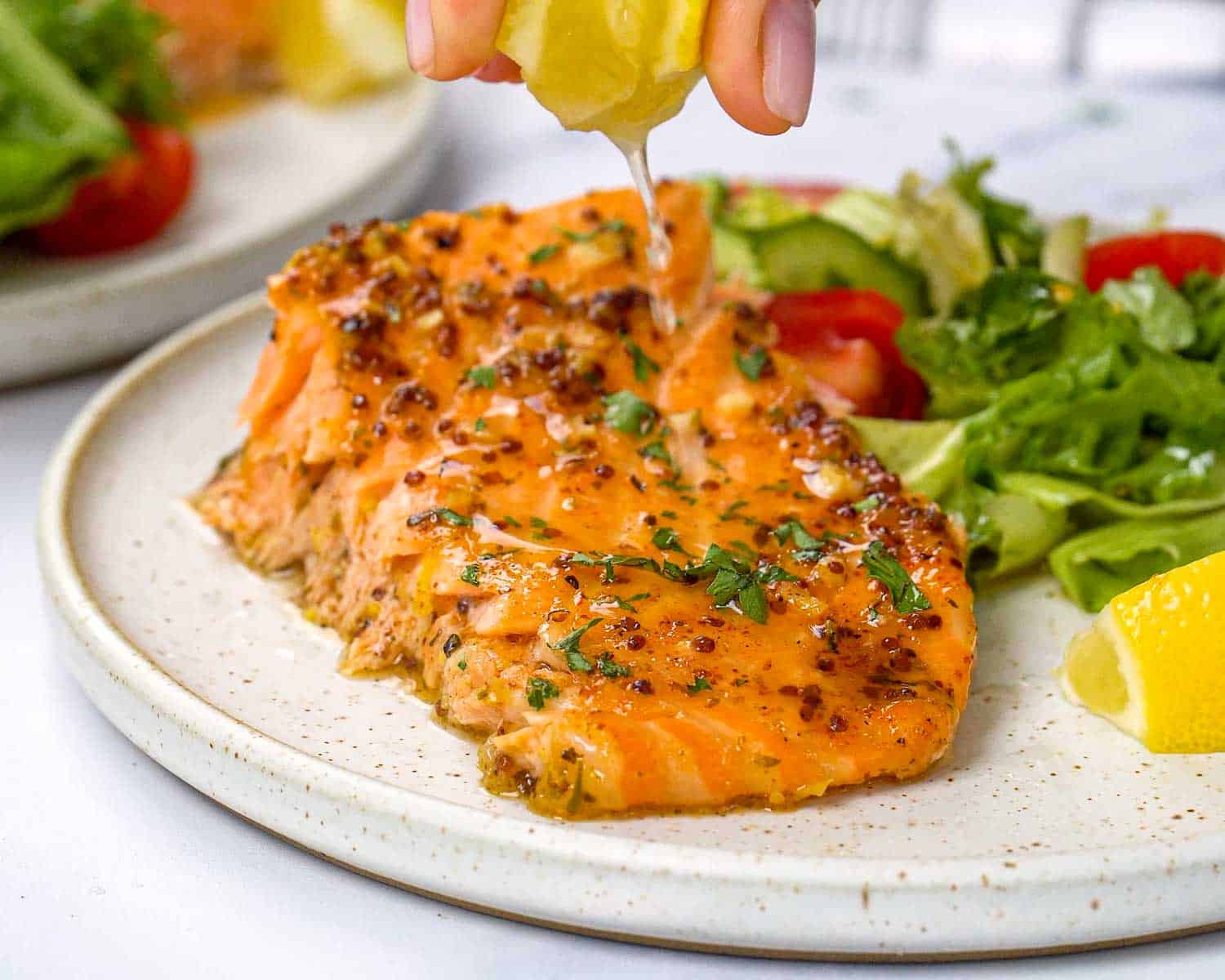
This Baked Honey Mustard Salmon In Foil goes really well with simple side dishes because the salmon already has a lot of flavor from the sauce. Here’s how I like to serve it:

Lemon Orzo with Asparagus
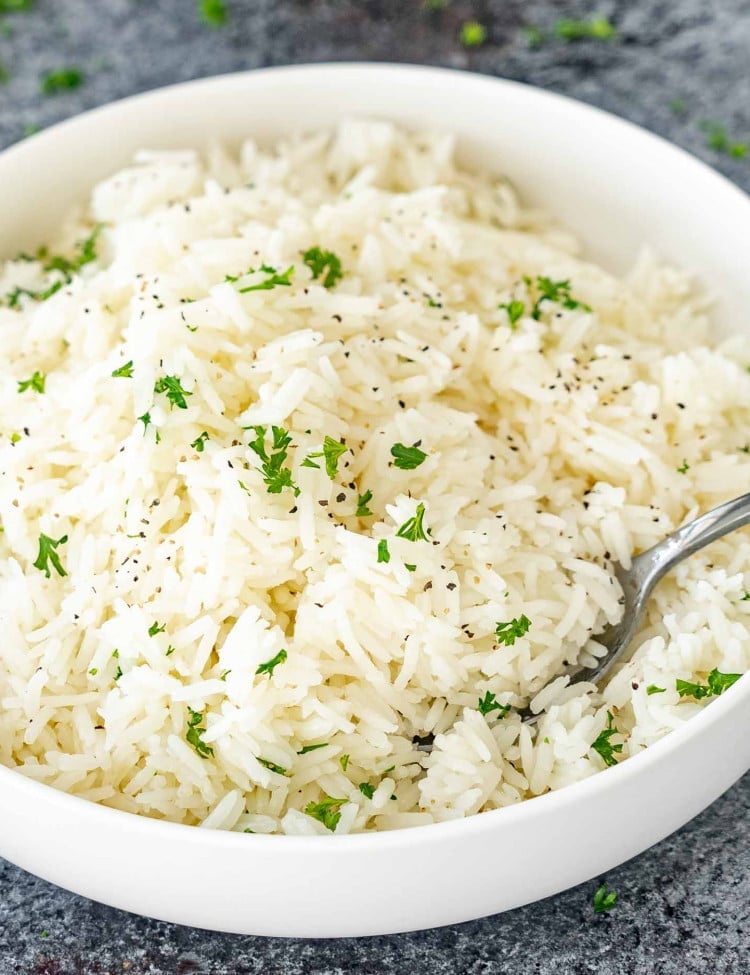
Jasmine Rice
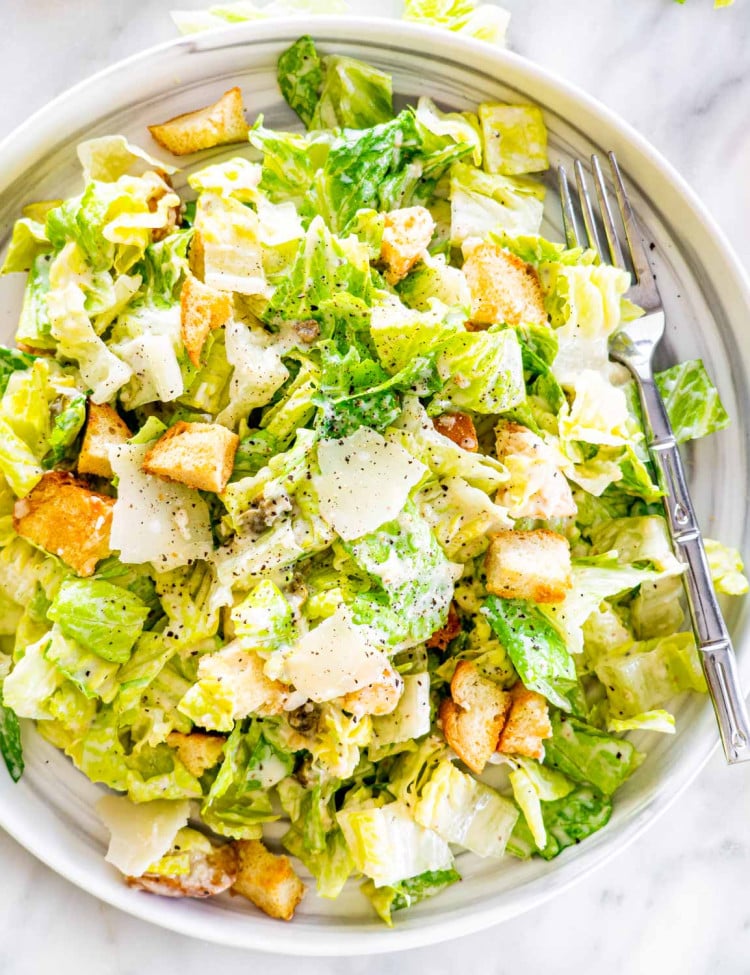
Caesar Salad Recipe

Classic Dinner Rolls
Frequently Asked Questions
How long do you bake salmon in foil?
Most salmon will take about 15 to 20 minutes to bake at 400°F, depending on the thickness of the salmon. Thicker pieces will take longer, while thinner fillets may cook faster. The salmon is done when it flakes easily with a fork.
What temperature should salmon be cooked to?
Salmon is cooked when it reaches about 125°F to 130°F in the thickest part for moist, tender salmon. If you prefer it more well done, cook it to about 140°F. I usually take it out a few degrees early because it continues to cook slightly as it rests.
Is it better to bake salmon covered in foil or uncovered?
Baking salmon in foil helps keep the salmon moist and prevents it from drying out. It is one of the easiest and most reliable ways to cook salmon, especially if you are worried about overcooking it.
Can I use individual salmon fillets instead of a whole salmon?
Yes, you can use individual salmon fillets instead of a whole side of salmon. Just reduce the cooking time slightly depending on the thickness of the fillets.
Do I bake salmon skin side up or down?
If your salmon has skin, bake it skin side down. The skin helps protect the salmon from overcooking and makes it easier to lift the salmon off the foil after baking.
Can I make this ahead of time?
Yes, you can prepare the honey mustard sauce ahead of time and keep it in the refrigerator. You can also assemble the salmon in foil with the sauce a few hours ahead of time and keep it refrigerated until ready to bake.
How do I store leftover cooked salmon?
Store leftover salmon in an airtight container in the refrigerator for 3 to 4 days.
Can I freeze cooked salmon?
Yes, cooked salmon can be frozen for up to 2 to 3 months. Wrap it well and store it in an airtight container or freezer bag.
How do I reheat salmon without drying it out?
The best way to reheat salmon is in the oven at a low temperature covered with foil, or gently in the microwave at a lower power. You can also add a small splash of water or lemon juice to help keep it moist.
Try These Recipes Next
- Firecracker Salmon
- Maple Mustard Glazed Salmon
- Asian Glazed Salmon in Foil
- Honey Garlic Salmon and Veggies Sheet Pan Dinner
- Salmon with Dill Sauce
- Salmon Patties
- Cajun Honey Butter Salmon
- Sheet Pan Honey Butter Glazed Salmon with Veggies
- Cowboy Butter Salmon
Before You Begin! If you make this, please leave a review and rating letting us know how you liked this recipe! This helps our business thrive & continue providing free recipes.
Baked Honey Mustard Salmon In Foil
Video
Ingredients
Honey Mustard Salmon Sauce
- ⅓ cup honey
- ¼ cup whole grain mustard
- 1 tablespoon dijon mustard
- 1 tablespoon lemon juice
- 1 teaspoon lemon zest
- 4 cloves garlic (peeled and minced)
- 1 tablespoon Italian seasoning
- 1 teaspoon smoked paprika
- ¼ cup butter (unsalted, melted )
- ½ teaspoon salt
- ½ teaspoon black pepper
Honey Mustard Salmon
- 3 pound salmon (boneless and skinless)
- 1 tablespoon parsley (for garnish)
Before You Begin! If you make this, please leave a review and rating letting us know how you liked this recipe! This helps our business thrive & continue providing free recipes.
Instructions
- Preheat your oven to 400℉. Line a baking sheet with aluminum foil and spray it with a bit of cooking spray.
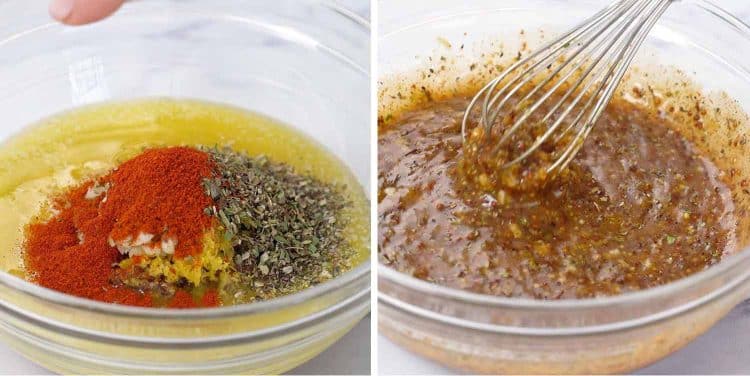
- Whisk all the honey mustard salmon sauce ingredients together in a bowl.
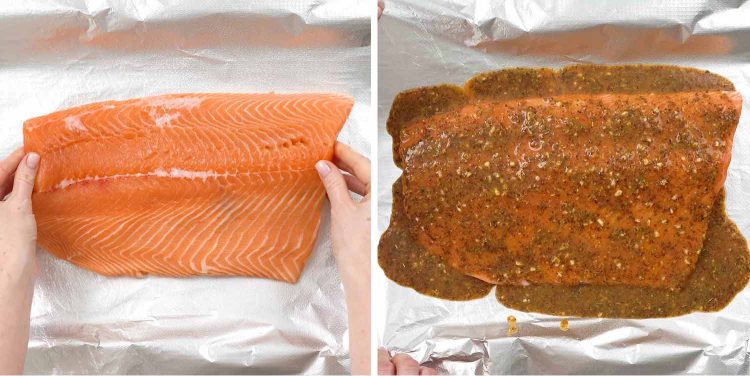
- Place the salmon in the middle of the foil on the prepared baking sheet. Spoon the sauce over the top of the salmon.
- Fold the sides of the aluminum foil over the top of the salmon to completely enclose it.
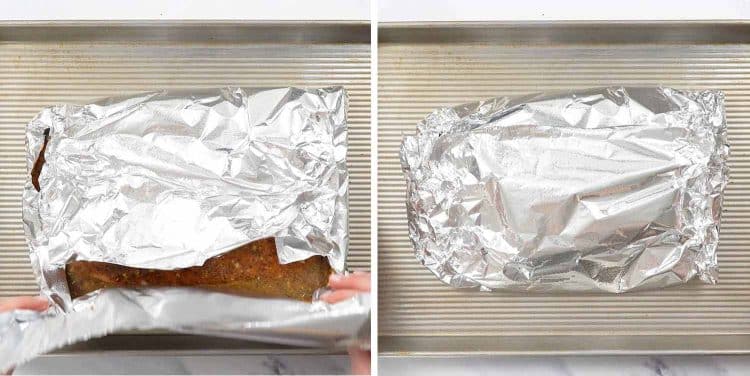
- Transfer the baking sheet to the oven and bake for 15 to 20 minutes, or until the salmon is almost cooked through. Remove the baking sheet from the oven and carefully pull back the aluminum foil to completely expose the top of the salmon. Transfer the baking sheet back to the oven and broil for about 2 minutes. Keep a close eye on it while broiling, as the salmon could burn quickly.
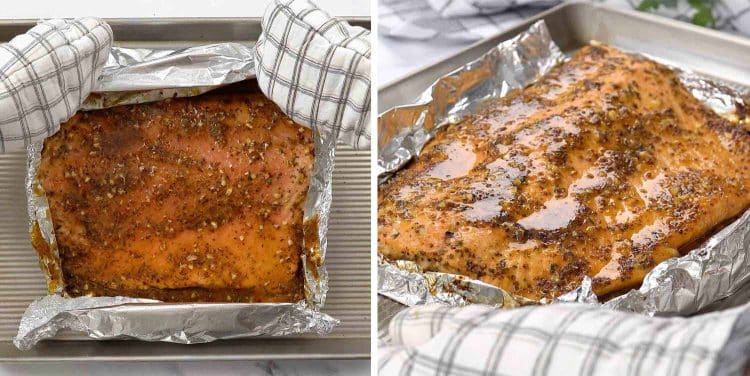
- Remove the salmon from the oven and garnish with parsley. Serve immediately.
Notes
- Cooking time will depend on the thickness of the salmon. Thicker salmon may take closer to 20 minutes, thinner fillets may cook faster.
- Salmon is done when it flakes easily with a fork or reaches about 125°F to 130°F in the thickest part.
- I recommend opening the foil and broiling the salmon for 2 to 3 minutes at the end to caramelize the sauce.
- Do not wrap the foil too tightly; leave a little space for heat to circulate.
- You can use individual salmon fillets instead of a whole side of salmon, just reduce cooking time slightly.
- Leftover salmon will keep in the refrigerator for 3 to 4 days in an airtight container.
- Reheat gently in the oven covered with foil so the salmon does not dry out.
- For best results, remove the salmon from the oven a few degrees early since it will continue cooking as it rests.
Nutrition Information
Notice: Nutrition is auto-calculated for your convenience. Where relevant, we recommend using your own nutrition calculations.