Chicken Francese
This post may contain affiliate links. Please read my disclosure policy.
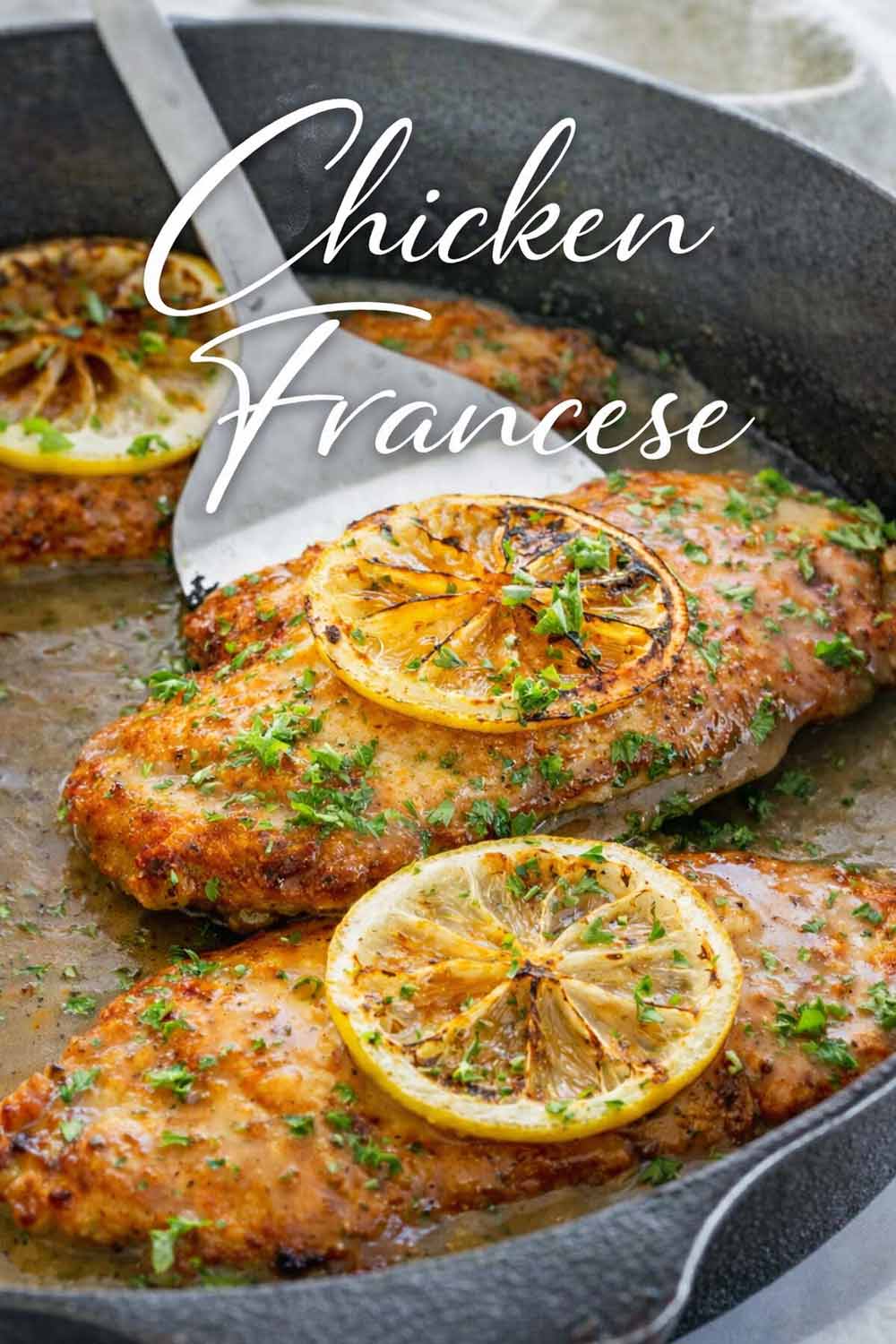

The biggest mistake people make with Chicken Francese is soggy chicken and a coating that slides right off into the sauce. This is one of those recipes where technique matters more than anything else, but once you know the method, it’s surprisingly simple and comes out restaurant quality every time.


Chicken Francese Explained
Chicken Francese is one of those dishes that sounds way more complicated than it actually is. It’s basically thin chicken cutlets that get a light flour and egg coating, are quickly pan fried, then finished in a lemon butter sauce. The coating is very light, not like breaded chicken, and it soaks up that sauce in the best possible way.
The trick with Chicken Francese is not overcooking the chicken and not letting the coating get soggy in the sauce. Once you understand the method, this is actually a very easy one pan dinner that looks like you ordered it at a restaurant.
Why This Chicken Francese Works
- Thin chicken cutlets: Pounding the chicken to about ¼ inch means it cooks fast and stays juicy. No dry, rubbery chicken here.
- Flour then egg coating: This is what makes Chicken Francese different. The flour helps the egg stick, and the egg creates that light, delicate coating that actually holds onto the sauce.
- Hot pan, quick fry: You’re not deep frying, just giving the chicken a quick golden sear so it stays light, not greasy.
- Cook the lemon slices: Cooking the lemon slices in the pan brings out their flavor and takes away that harsh raw bite.
- Light roux in the sauce: A little butter and flour thickens the sauce just enough so it clings to the chicken instead of pooling on the plate.
- Finishing in the sauce: This is the step most people mess up. A quick simmer in the sauce lets the coating absorb flavor without turning soggy.
- Balanced sauce: The mix of lemon, wine, broth, and butter keeps it bright but still rich. Not too sharp, not too heavy.

Key Ingredients & Tips
- Chicken breasts: Slice them in half lengthwise and pound to about ¼ inch. Thick chicken is the fastest way to dry, uneven cutlets.
- Flour: This is the base layer that helps the egg stick. Lightly coat, don’t cake it on.
- Eggs: The signature Francese coating. Whisk well so it’s smooth, then let the excess drip off so you don’t end up with a thick, soggy layer.
- Vegetable oil: You only need enough for a shallow fry. If the chicken is swimming, you’ve gone too far.
- Lemon: Fresh lemon juice is non negotiable here. Bottled just doesn’t give the same clean, bright flavor.
- Lemon slices: Sauté them first to mellow the bitterness and bring out their sweetness. It makes a difference.
- White wine: Use a dry wine like Pinot Grigio or Sauvignon Blanc. If it’s sweet, the sauce will taste off.
- Chicken broth: Go for low sodium so you can control the seasoning. The sauce reduces, so salt adds up fast.
- Butter: This is what gives the sauce that silky finish. Don’t skip it.
- Flour for the sauce: Just a little, whisked into the butter, gives you a light sauce that actually clings to the chicken.
- Parsley: Fresh, not dried. It’s not just garnish, it balances the richness.
Substitutions and Variations
- No wine: Just use extra chicken broth and add a small splash of lemon juice or white wine vinegar to keep that brightness.
- Chicken thighs: Totally fine. Just pound them to an even thickness so they cook evenly. They’ll be a bit juicier and richer.
- Gluten free: Use a gluten free flour blend for both dredging and the sauce. Works just fine.
- Cornstarch instead of flour: This will give you a slightly crispier coating, but it won’t have that classic light Francese texture.
- No butter: You can use all olive oil, but you’ll miss that silky finish the butter gives the sauce.
- Extra lemony: Add more lemon juice or even a bit of zest if you really like that sharp, citrusy flavor.
- Milder sauce: Cut back slightly on the lemon and add a bit more broth to balance it out.
- Make it creamy: Stir in a splash of heavy cream at the end for a richer, slightly different take.
- Serve over pasta: Not a variation exactly, but tossing this with pasta turns it into a full meal and soaks up all that sauce.
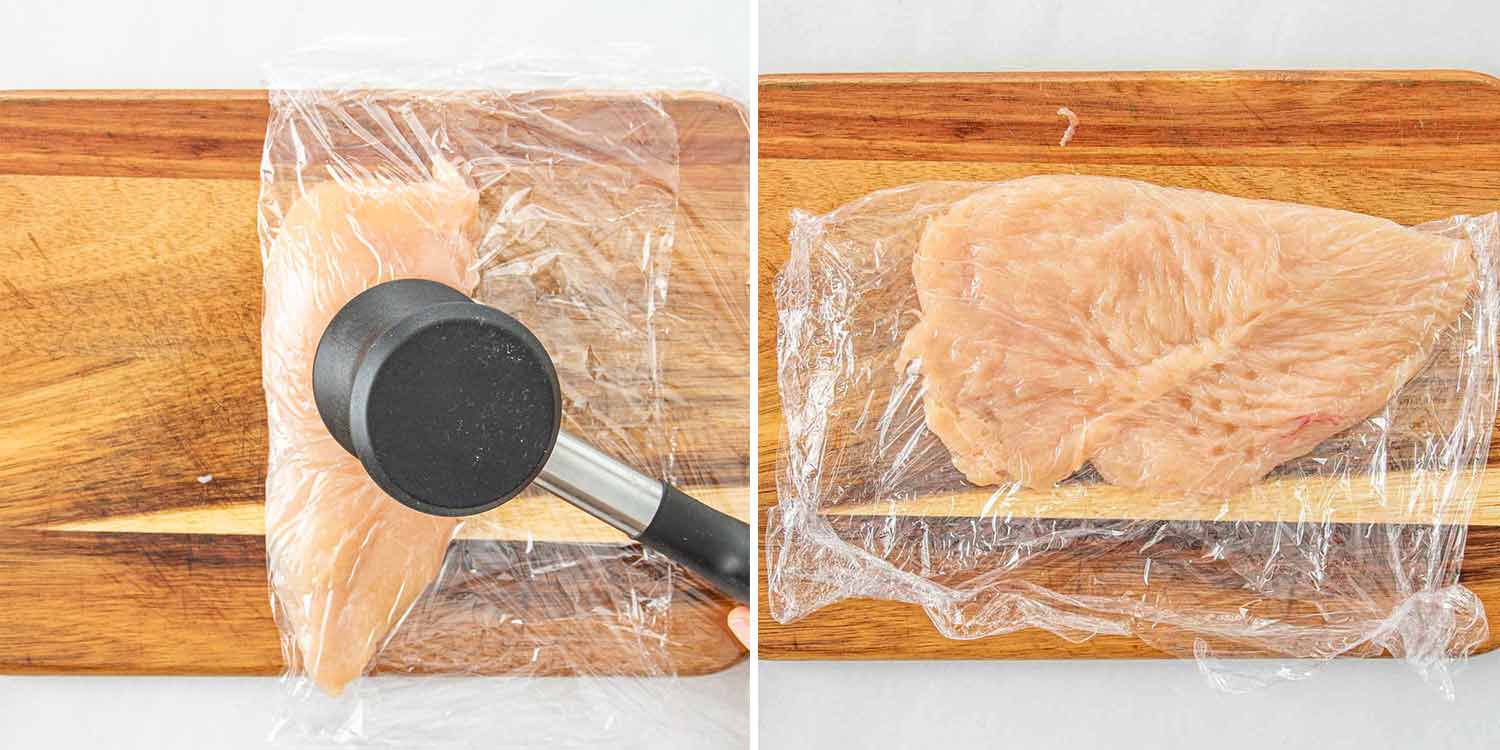
Start by slicing your chicken breasts in half lengthwise, then pound them to about ¼ inch thick. This is what keeps them juicy and cooks them evenly.

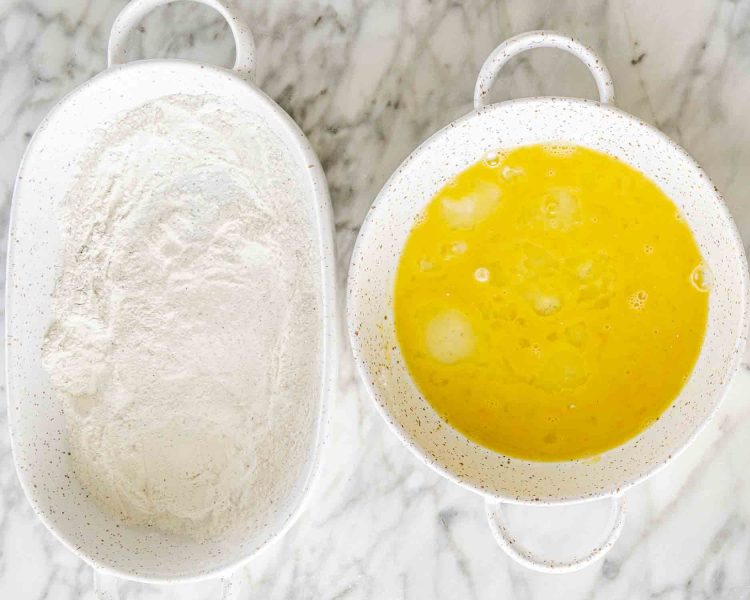
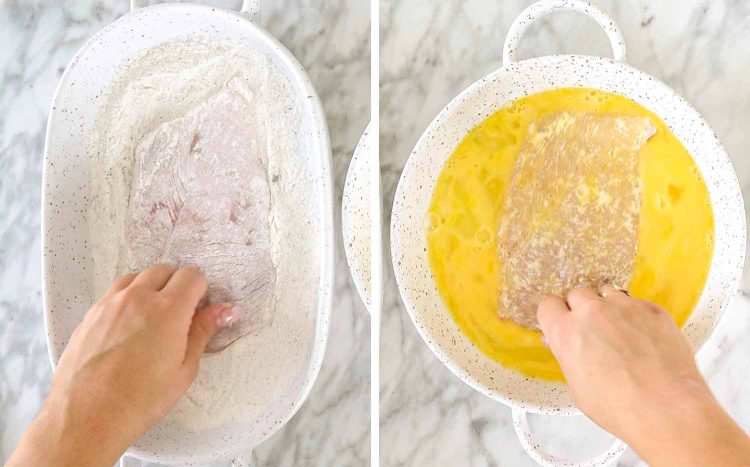
Set up two shallow dishes. One with flour, salt, and pepper, the other with whisked eggs. Dredge each piece of chicken in the flour first, then dip it into the egg, letting any excess drip off.

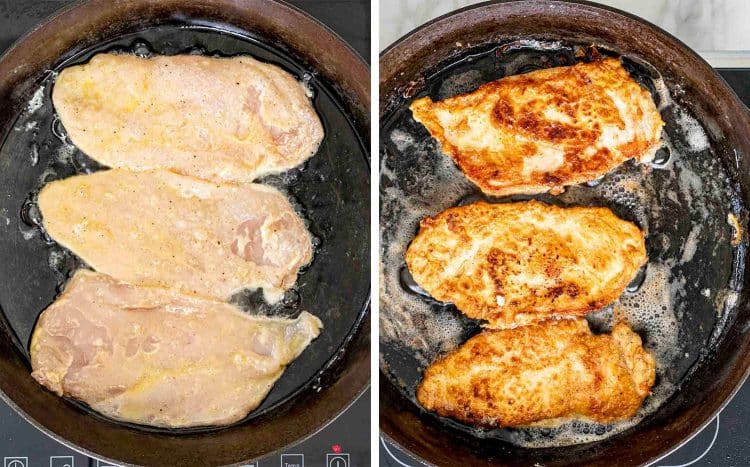
Heat a bit of oil in a large skillet over medium high heat. Once it’s hot, cook the chicken for about 3 minutes per side until lightly golden. Don’t overcrowd the pan, work in batches if you need to. Set the chicken aside.

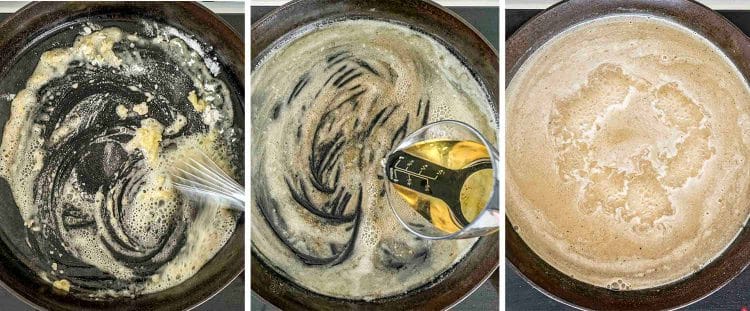
In the same skillet, remove any excess oil, then add your lemon slices and cook them for about 30 seconds per side until fragrant. Add the butter, let it melt, then whisk in a bit of flour and cook for about 30 seconds.
Slowly pour in the white wine, chicken broth, and lemon juice, whisking as you go. Let the sauce simmer for a couple minutes until it slightly thickens.

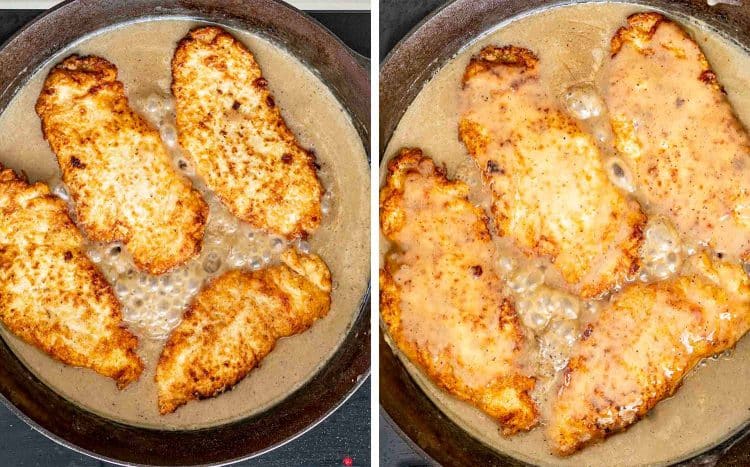
Add the chicken back to the pan and spoon the sauce over it. Let it simmer for 3 to 4 minutes so everything comes together and the chicken is warmed through. Finish with fresh parsley and serve right away. This is not a dish that likes to sit around.
Common Mistakes To Avoid
- Skipping the pounding step: Thick chicken cooks unevenly and dries out before the coating even has a chance. Take the extra minute, it matters.
- Too much flour or egg: You want a light coating, not a heavy jacket. Too much and it turns gummy instead of silky.
- Oil not hot enough: If the oil isn’t hot, the chicken absorbs it instead of searing. That’s how you end up with greasy, sad cutlets.
- Overcrowding the pan: Cram too much in and you’ll steam the chicken instead of frying it. Work in batches, it’s worth it.
- Not wiping the pan before the sauce: Leftover oil will make your sauce greasy instead of smooth. Sauce too thin: If it looks watery, it is. Let it simmer a bit longer so it can actually coat the chicken.
- Letting it sit too long: Chicken Francese waits for no one. The longer it sits, the softer that coating gets.
- Overcooking the chicken: These are thin cutlets, they cook fast. A few extra minutes and they go from juicy to dry real quick.
Why Is My Chicken Francese Soggy
This usually comes down to a few small things that make a big difference.
- The oil wasn’t hot enough: If the chicken goes into lukewarm oil, it absorbs it instead of searing. You want that quick sizzle right away.
- Too much egg coating: If the egg layer is too thick, it turns soft and slippery once it hits the sauce. Let the excess drip off before frying.
- Too much oil in the pan: This isn’t deep frying. Too much oil makes the coating heavy and soggy instead of light.
- Chicken too thick: Thick cutlets take longer to cook, which softens the coating before the chicken is even done.
- Sauce is too thin: A watery sauce will soak into the coating too fast. It should be slightly thick so it clings, not floods.
- Skipping the quick simmer in the sauce: The chicken needs a couple minutes in the sauce to absorb flavor properly. Skip it, and the coating just sits on top and falls apart.
- Letting it sit too long before serving: This is not a make it and forget it dish. The longer it sits, the softer that coating gets.

How To Get The Coating To Stick
This is where most people struggle, but it’s actually just a few small things done right.
- Finish in the sauce, briefly: Let the chicken simmer in the sauce for just a few minutes. Too long and the coating softens too much.
- Start with dry chicken: Pat the chicken dry before dredging. If it’s wet, the flour won’t stick properly.
- Flour first, then egg: Don’t skip or reverse this. The flour gives the egg something to grab onto.
- Shake off the excess: Too much flour or egg creates a thick layer that slides off instead of sticking.
- Let it sit for a minute: After coating, let the chicken rest for a minute before frying. This helps everything adhere better.
- Make sure the oil is hot: The chicken should sizzle the second it hits the pan. That’s how the coating sets quickly.
- Don’t move it too soon: Let the first side cook and set before flipping. If you mess with it too early, the coating will come off.
Chicken Francese vs Chicken Piccata
Both are lemony Italian style chicken dishes, but the main difference comes down to the coating and the sauce. Chicken Francese is dredged in flour, then dipped in egg before frying, which gives it that light, delicate coating that soaks up the lemon butter sauce.
Chicken Piccata skips the egg and is only dredged in flour, so it’s a bit lighter and usually includes capers for that salty, briny kick. If you like a slightly richer, silky sauce, go with Francese. If you want something sharper and more tangy, piccata is the way to go.
How to Serve Chicken Francese
Chicken Francese has that bright lemon butter sauce, so you want sides that either soak it up or balance it out.
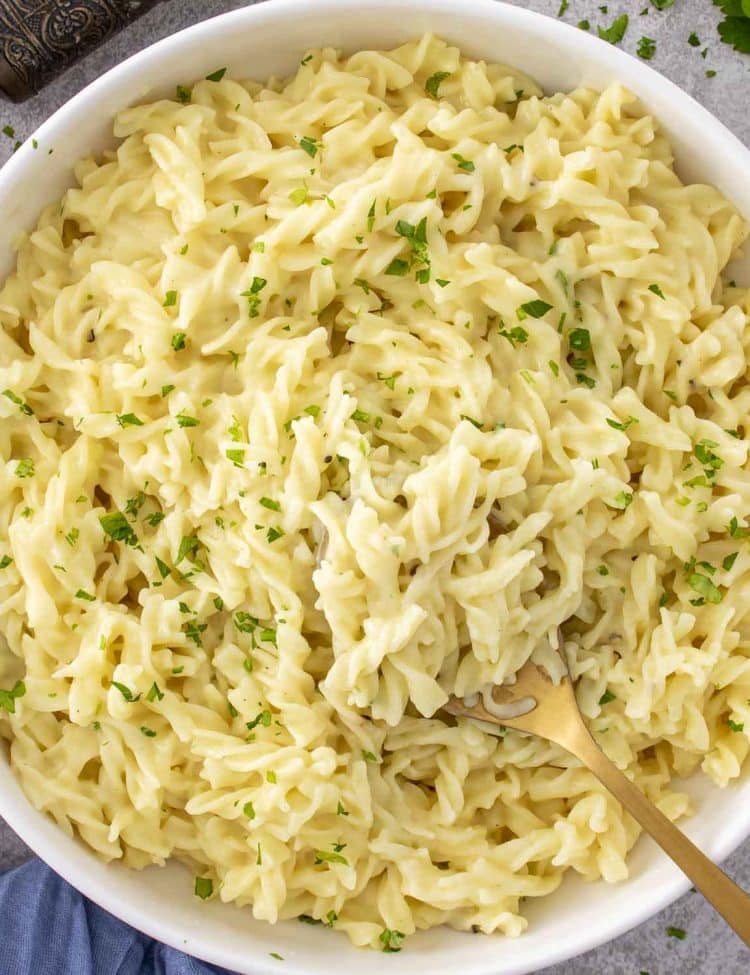
Cafeteria Noodles
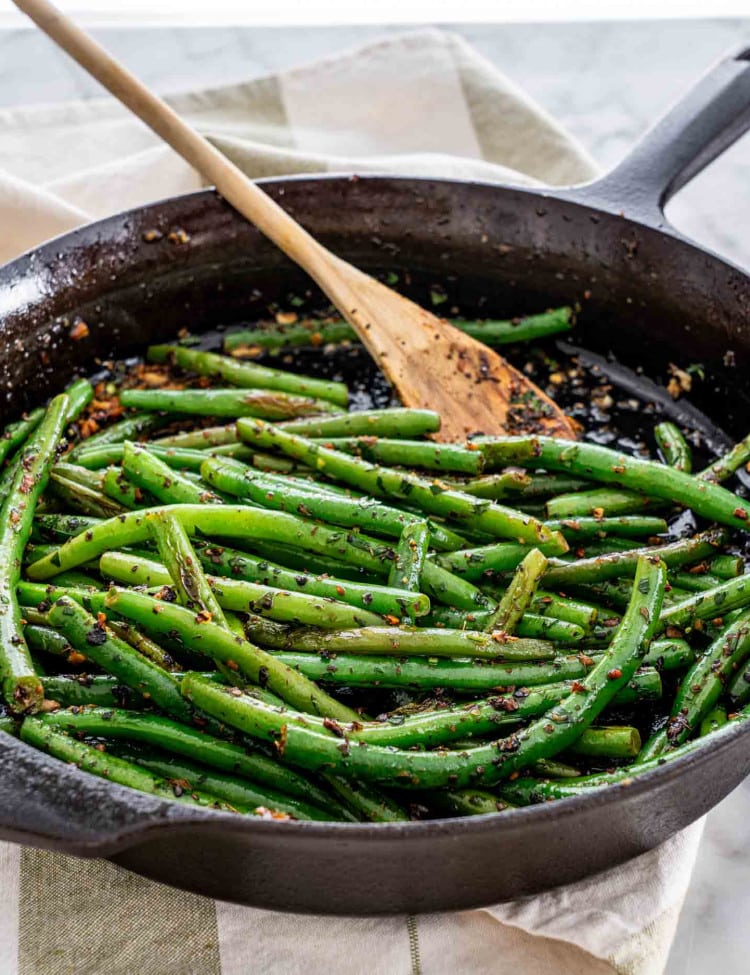
Skillet Green Beans
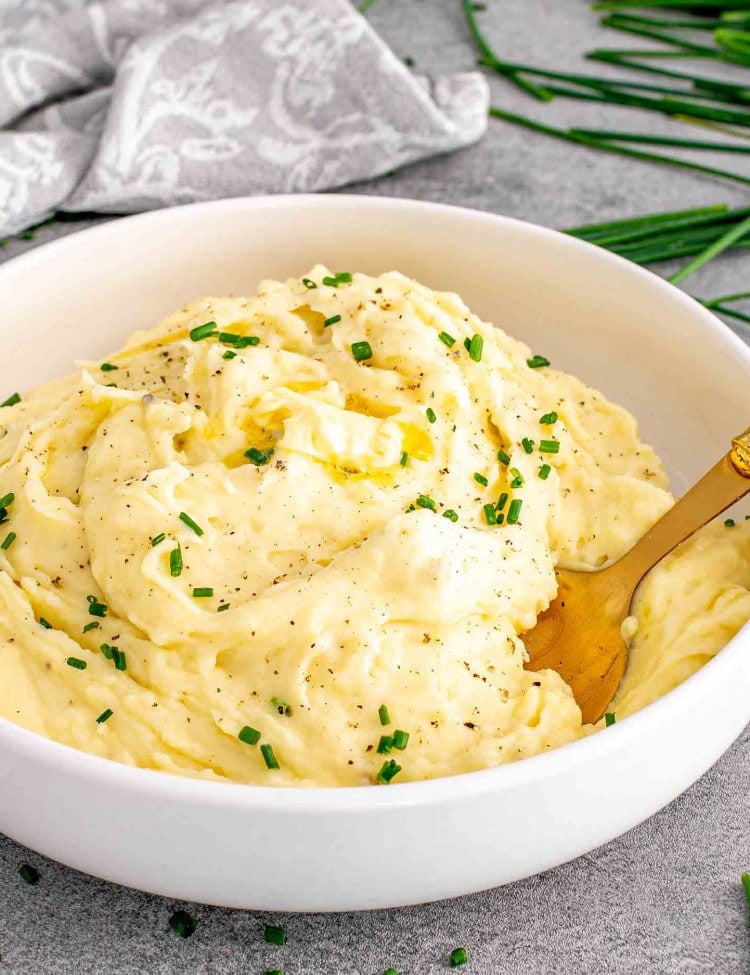
Roasted Garlic Mashed Potatoes

Lemon Orzo with Asparagus

Storage & Reheating
Refrigerate: Store in an airtight container for up to 3 days. Keep the chicken with the sauce so it doesn’t dry out.
Reheat on the stove: This is the best way. Add the chicken and sauce to a skillet over low heat and warm it gently. If the sauce has thickened too much, add a splash of chicken broth or water to loosen it. Avoid the microwave if you can. It works in a pinch, but it tends to make the chicken rubbery and the coating a bit sad.
Freezing: You can freeze it, but it’s better to freeze the chicken without the sauce. The coating holds up better that way. Freeze for up to 2 months, then thaw overnight in the fridge and make the sauce fresh when reheating.
Frequently Asked Questions
Can I make Chicken Francese without wine?
Yes, just replace the wine with extra chicken broth and add a small splash of lemon juice or white wine vinegar to keep that brightness.
Can I use chicken thighs instead of breasts?
Absolutely. Just pound them to an even thickness so they cook evenly. They’ll be juicier and a bit richer.
Can I make this ahead of time?
You can, but it’s best fresh. If you need to prep ahead, cook the chicken and make the sauce separately, then reheat together just before serving.
Can I use bottled lemon juice?
You can, but I wouldn’t recommend it. Fresh lemon juice gives you a much cleaner, brighter flavor.
Can I make the sauce thicker?
Yes, let it simmer a bit longer or add a small cornstarch slurry if you want it thicker.
More Italian-Inspired Favorites
Before You Begin! If you make this, please leave a review and rating letting us know how you liked this recipe! This helps our business thrive & continue providing free recipes.

Chicken Francese
Video
Ingredients
Chicken
- ½ cup all-purpose flour
- 1 teaspoon salt (or to taste)
- ½ teaspoon pepper (freshly ground, or to taste)
- 3 large eggs
- ¼ cup vegetable oil
- 4 chicken breasts (boneless and skinless, cut in half lengthwise)
Sauce
- 1 large lemon (sliced into thin rounds, seeds removed)
- 1 cup chicken broth (low sodium)
- ½ cup white wine (dry)
- 1 tablespoon lemon juice (freshly squeezed)
- 1 tablespoon all-purpose flour
- 2 tablespoon butter (unsalted)
- 2 tablespoon parsley (chopped, for garnish)
Before You Begin! If you make this, please leave a review and rating letting us know how you liked this recipe! This helps our business thrive & continue providing free recipes.
Instructions
- In a shallow plate, add the ½ cup of flour, 1 teaspoon salt and ½ teaspoon of pepper. Whisk to combine. In another shallow plate or bowl whisk the eggs.

- Cut the chicken breasts in half lengthwise, then place each piece of chicken between 2 pieces of parchment paper and lightly pound it with the flat side of a meat mallet until it's about ¼-inch in thickness. Repeat with remaining chicken.

- Dredge the cutlets in the flour mixture, fully coating both sides and shaking off any excess. Next, coat them in the egg mixture.

- Heat the oil in a large 12-inch skillet over medium-high heat until shimmering. Add 3 or 4 pieces of chicken to the skillet (or as many as you can fit). Cook until lightly browned, about 3 minutes per side. Transfer the chicken to a paper towel-lined plate. Repeat with remaining chicken.
- Clean the skillet of any excess oil, then add the lemon slices and cook until fragrant and slightly charred, about 30 seconds per side. Add the butter to the skillet and melt it. Whisk in the flour and cook for 30 seconds to cook off the flour taste. Whisk in the wine, broth, lemon juice, and remaining ½ teaspoon of salt and season with pepper. Simmer until slightly reduced, about 2 minutes.

- Return the chicken to the skillet and cook until for another 3 to 4 minutes. Garnish with the parsley before serving.

Equipment
Notes
- Use thin cutlets: Pound the chicken to about ¼ inch so it cooks evenly and stays juicy.
- Don’t overload the coating: Light flour, light egg. Too much and it turns heavy instead of delicate.
- Make sure the oil is hot: The chicken should sizzle right away. That’s how you get that light golden crust.
- Cook in batches: Overcrowding the pan will steam the chicken instead of frying it.
- Wipe the pan before the sauce: Keeps the sauce smooth and not greasy.
- Simmer the sauce just enough: You want it slightly thick so it coats the chicken, not watery.
- Finish the chicken in the sauce briefly: A few minutes is all it needs to absorb flavor without getting soggy.
- Serve right away: This dish is at its best straight from the pan.
Nutrition Information
Notice: Nutrition is auto-calculated for your convenience. Where relevant, we recommend using your own nutrition calculations.